
LG Cordless Vacuum Prices: What to Expect Before You Buy
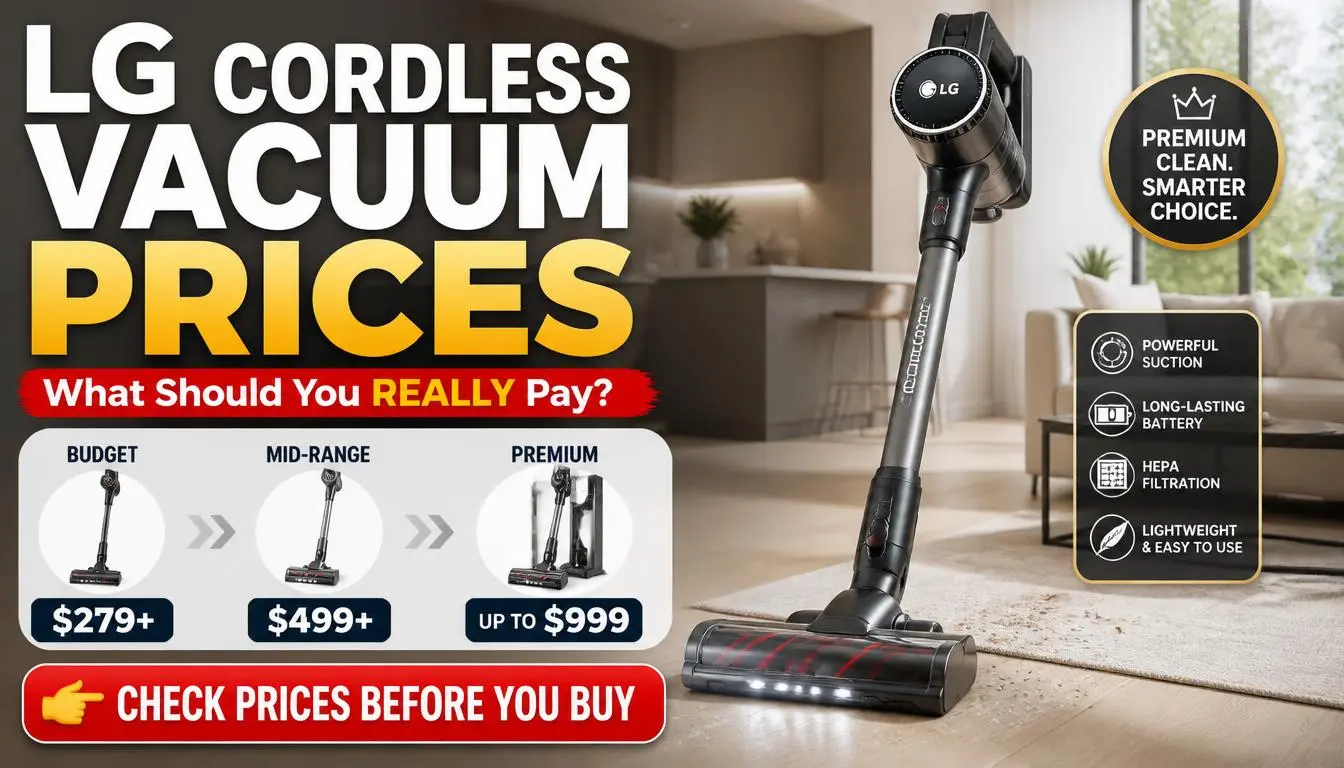
Figuring out how much is the lg cordless vacuum depends entirely on which model series you choose and where you shop. Prices swing wildly from budget-friendly entry units to premium bundles with massive charging towers. You might see a sticker price of $400 one day and $900 the next for what looks like the same machine.
Current market data shows the LG CordZero A9 Ultimate often retails near $799, while the base A3 models drop to $399 during sales. Manufacturer specifications indicate these differences come down to battery count, suction power, and included attachments. Let’s break down exactly what drives these costs so you can spot a real deal.
Quick Answer
The LG Cordless Vacuum costs between $399 and $999 depending on the model. Entry-level A3 series units start around $399. Mid-range A5 models typically sell for $599.
Top-tier A9 bundles reach up to $999. Sales events often cut these prices by 20 percent.
The Real Price Breakdown: Why LG Cordless Vacuums Range from $400 to $1,000+
You cannot pin down a single number because LG sells a tiered ecosystem rather than one standalone product. The price gap exists because you are paying for different combinations of runtime, suction strength, and convenience features. A base model gets you clean floors.
A premium model gets you clean floors with half the effort and double the speed.
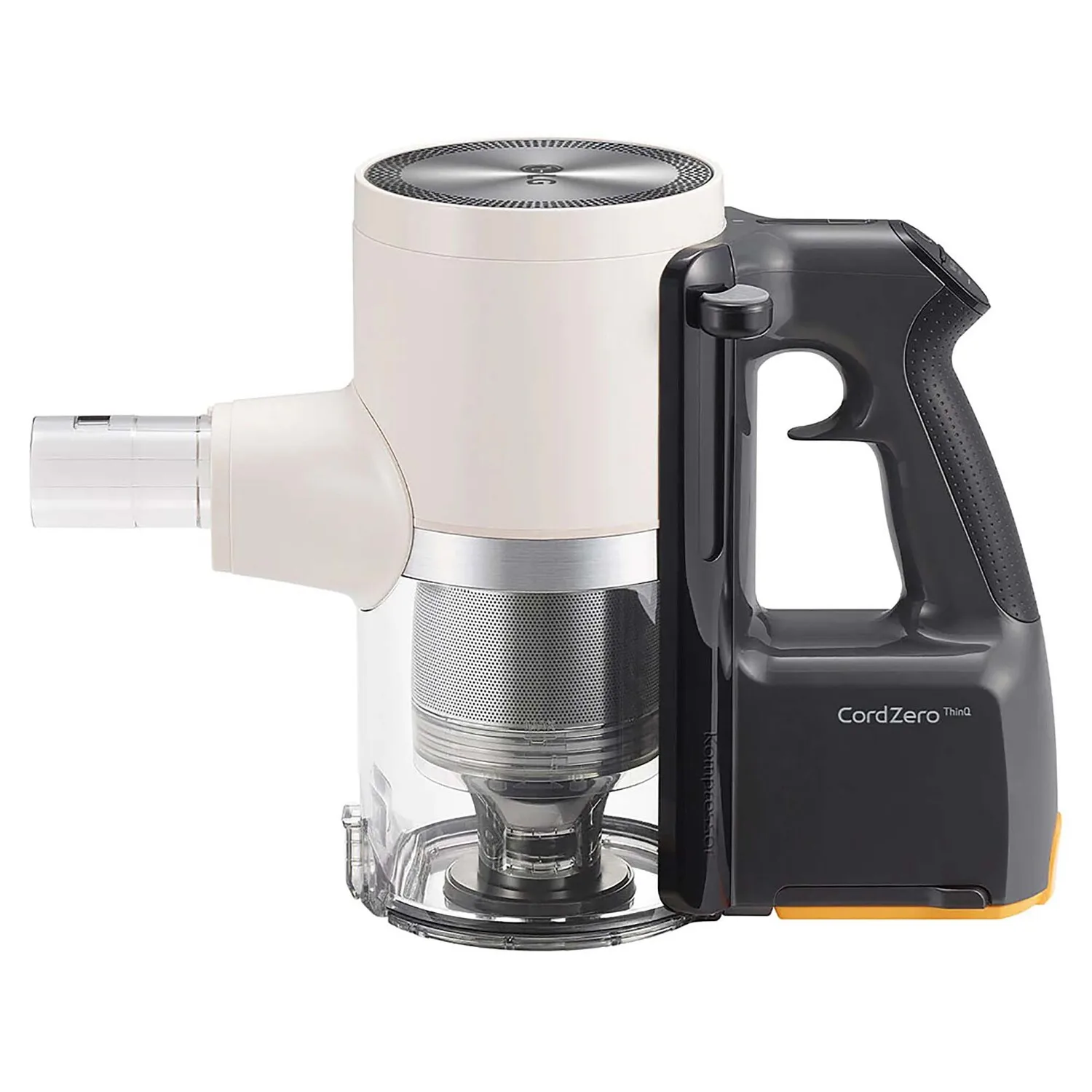
The core cost driver is the battery technology. LG uses its proprietary Smart Inverter Motor and Dual PowerPack system in higher tiers. This allows you to swap batteries instantly without waiting for a charge.
Cheaper models often come with just one battery or a standard charger instead of the fast-charging station.
Another major factor is the cleaning station. The All-in-One Tower is a luxury feature that stores tools and charges two batteries simultaneously. It also includes a space-saving design that keeps your closet tidy.
Models without this tower use a simple wall mount and cost significantly less. You pay for the convenience of having everything in one spot.
Filtration systems also separate the price points. Higher-end units feature a sealed HEPA filtration system that traps 99.99% of dust particles. This is crucial for allergy sufferers.
Lower-cost versions might use a standard washable filter that lets finer dust escape back into the air. The engineering required to seal the airflow path adds to the manufacturing cost.
Don’t forget the attachment bundle. Premium kits include specialized tools for pet hair, crevices, and even wet mopping. Some bundles come with a second power drive nozzle for upstairs bedrooms.
These accessories have real value if bought separately. Buying them in a bundle usually saves money compared to purchasing them later.
Retailer exclusives further complicate the pricing landscape. Big box stores often carry specific model numbers that differ slightly from the manufacturer’s direct site. These variants might lack a specific tool or have a different color finish.
This strategy prevents direct price matching and keeps you guessing on the true market value. Always check the model number suffix before comparing prices across stores.
Decoding the Model Maze: A9, A3, and A5 Series Explained
LG organizes its cordless vacuums into three distinct families, and knowing the difference saves you from overpaying. The naming convention seems confusing at first glance. Once you understand the hierarchy, you can identify exactly what you need without falling for marketing fluff.
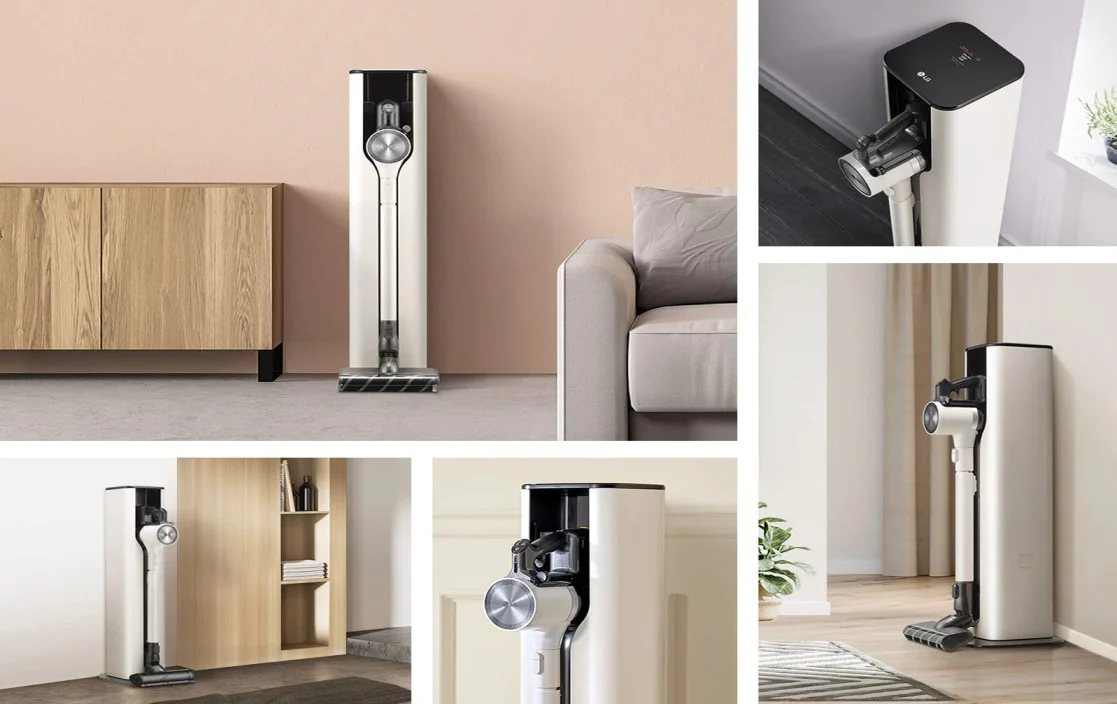
The A9 series represents the flagship line. These models offer the highest suction power and the most comprehensive feature sets. They almost always include the All-in-One Tower and two batteries.
If you see a price tag over $700, you are likely looking at an A9 variant. This series targets large homes with mixed flooring and pet owners who need maximum performance.
Next is the A5 series, which sits in the middle ground. You get strong suction comparable to the A9 but often with fewer included accessories. Some A5 models skip the fancy charging tower in favor of a wall mount.
They might only include one battery out of the box. This makes them a smart choice for medium-sized apartments where storage space is tight.
The A3 series serves as the entry point. These units provide reliable cleaning for smaller spaces. They typically lack the Kompressor technology found in higher models.
This means you have to press a button to empty the bin manually rather than compressing the dust automatically. The trade-off is a much lower purchase price, often making them the best value for students or first-time buyers.
Model suffixes tell you about the color and minor feature tweaks. An L might indicate a specific retailer bundle. A P could mean it includes the pet tool kit.
These letters do not change the core motor performance. They just alter the package contents. Ignoring these suffixes leads to confusion when comparing prices online.
Here is a quick breakdown of what each series generally offers:
| Feature | A3 Series (Entry) | A5 Series (Mid) | A9 Series (Premium) |
|---|---|---|---|
| Suction Power | Standard | High | Maximum |
| Batteries Included | 1 | 1 or 2 | 2 |
| Charging Station | Wall Mount | Wall or Stand | All-in-One Tower |
| Kompressor Tech | No | Yes (Select Models) | Yes |
| Mopping Function | No | Optional Add-on | Often Included |
| Typical Price Range | $350 – $450 | $500 – $650 | $750 – $1,000 |
Understanding these tiers helps you ignore irrelevant specs. You do not need the A9 if you live in a 600-square-foot studio. Conversely, the A3 will frustrate you if you have three dogs and thick carpets.
Match the series to your actual living situation rather than chasing the highest number.
If you are looking for raw power above all else, you might want to cross-reference these specs with our analysis of which machines deliver the highest airflow. Sometimes a different brand offers more suction for the same price, though LG wins on battery flexibility.
Core Features That Actually Drive the Cost Up (or Down)
Not every feature adds equal value to the final price tag. Some are essential upgrades that change how you clean. Others are nice-to-haves that inflate the cost without improving results.
Knowing the difference helps you decide if a premium model is worth the extra cash.
The Dual PowerPack system is the biggest price driver. This feature lets you keep a spare battery on the charger while using the first one. When the first dies, you swap it in seconds and keep cleaning.
This effectively doubles your runtime without waiting hours for a recharge. Single-battery models force you to stop mid-clean or buy a second battery separately, which costs nearly $150 on its own.
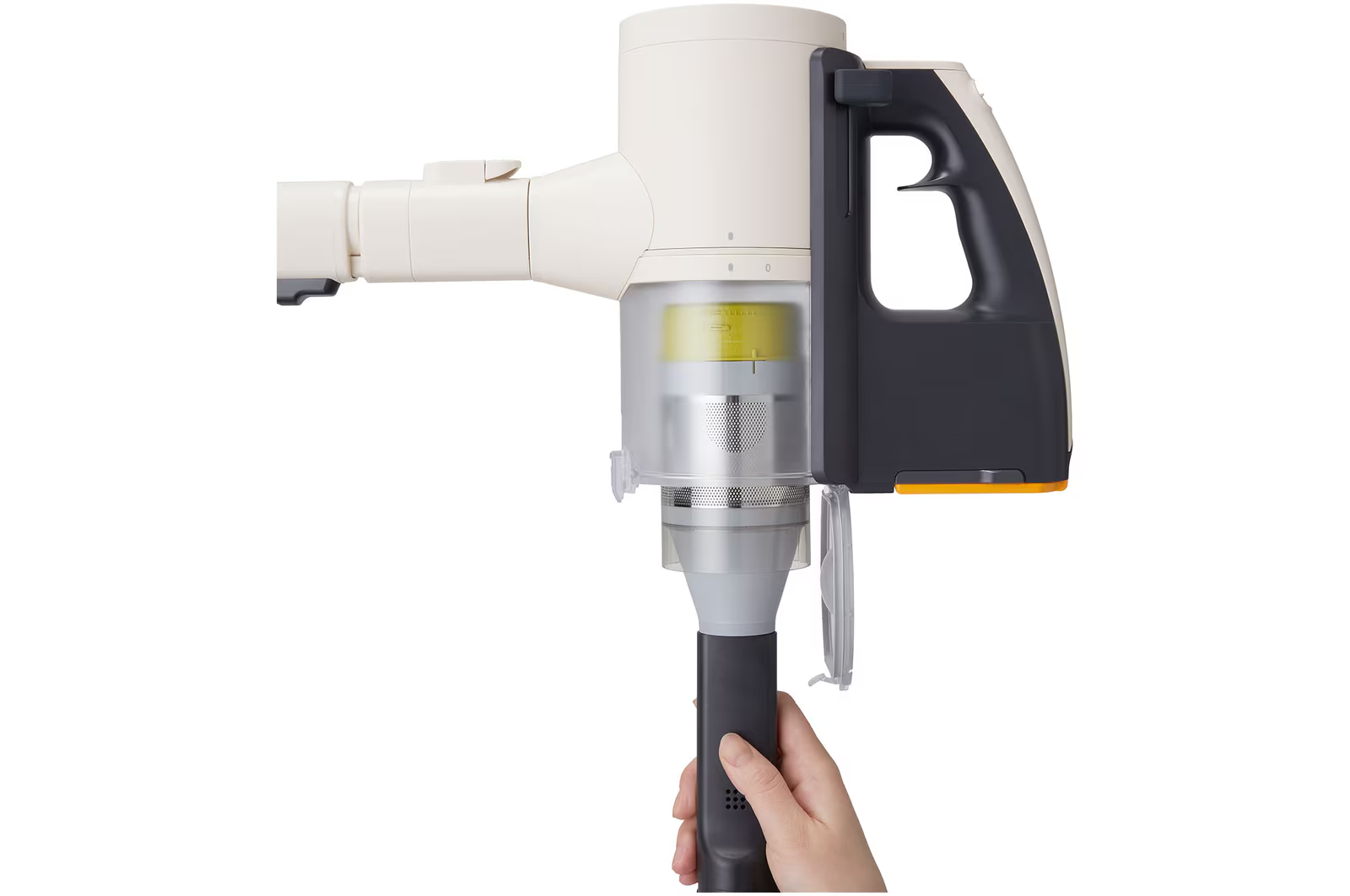
Kompressor technology is another major cost factor. This mechanism compresses dust and debris inside the bin. It creates more space so you can clean longer without emptying.
It also makes emptying the bin cleaner since the dust stays packed together. Models without this require frequent stops to empty a full bin, which is annoying in large houses.
The type of motor matters too. LG’s Smart Inverter Motor provides consistent suction and energy efficiency. Cheaper vacuums use brushed motors that lose power as the battery drains.
The inverter motor maintains peak performance until the battery is completely dead. This engineering complexity adds to the upfront cost but extends the life of the machine.
Filtration quality directly impacts price as well. A fully sealed HEPA system requires precise manufacturing to prevent air leaks. If air bypasses the filter, it carries dust back into your room.
High-end models undergo rigorous testing to ensure zero leakage. Budget models often have gaps in the seal that compromise air quality.
Attachment variety also shifts the price. A motorized pet tool costs significantly more to make than a simple plastic crevice tool. If a bundle includes a steam mop head or a soft roller for hardwood, the price jumps accordingly.
These tools are not just plastic. They contain their own motors or fluid systems. Buying a barebones unit and adding tools later often costs more than buying the full bundle initially.
Consider whether you truly need the All-in-One Tower. It looks sleek and holds every tool in place. However, it takes up floor space and adds considerable weight to the package.
If you have a utility closet, a simple wall mount works just fine for a fraction of the cost. The tower is a luxury, not a necessity for clean floors.
For those interested in maximizing suction for specific tasks, checking out the most powerful stick options available can provide good context on where LG stands against competitors in terms of raw cleaning force.
Side-by-Side Value: LG CordZero vs. Dyson, Shark, and Samsung
Comparing prices across brands is tricky because everyone uses different metrics. LG focuses on battery swapping and bin capacity. Dyson emphasizes suction peaks and laser detection.
Shark competes on price-to-performance ratios and anti-tangle brushes. Samsung pushes AI automation and sleek design.
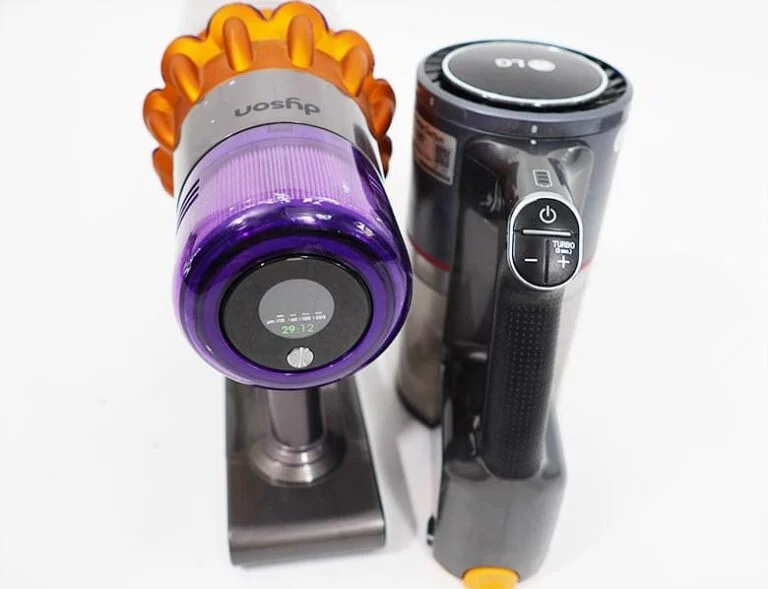
LG versus Dyson is the most common showdown. Dyson V15 and Gen5 models often cost $100 to $200 more than comparable LG A9 units. You pay extra for the laser head and advanced particle counting.
LG counters with a larger bin and the dual battery system. If you hate stopping to empty the bin, LG offers better value. If you need to see microscopic dust, Dyson justifies the premium.
Shark presents a strong budget alternative. Their Vertex and Stratos models frequently undercut LG by $150 or more. Shark excels at carpet cleaning with their DuoClean rollers.
However, their battery technology usually lags behind LG’s swap capability. You get great cleaning power for less money, but you sacrifice the convenience of instant battery replacement. For many households, this trade-off makes perfect sense.
Samsung’s Bespoke Jet AI sits in the same premium tier as LG. Prices are often identical during non-sale periods. Samsung distinguishes itself with an AI mode that adjusts suction automatically.
LG relies on manual mode selection or simpler auto modes. The Samsung charging station looks more like furniture, which appeals to design-conscious buyers. Functionally, both brands offer similar runtime and suction performance.
Let’s look at a direct comparison of key value drivers:
| Brand | Key Strength | Typical Price Point | Battery Strategy | Bin Capacity |
|---|---|---|---|---|
| LG CordZero | Dual Battery Swap | $600 – $900 | Hot-swappable packs | Large (0.44L + Kompressor) |
| Dyson | Suction & Filtration | $700 – $1,000 | Fixed or removable | Small to Medium |
| Shark | Carpet Performance | $400 – $700 | Removable (single usually) | Large |
| Samsung | AI Automation | $600 – $900 | Removable (dual on some) | Medium (Auto Empty) |
Value depends on your specific pain points. If battery anxiety stops you from cleaning, LG is the clear winner. No other major brand offers such a seamless swap system at this scale.
If you have mostly carpets and want to save money, Shark delivers incredible results for less. If you demand the absolute highest suction regardless of cost, Dyson remains the benchmark.
It is important to verify claims about suction power independently. Our research into the most powerful cordless cleaners overall highlights how marketing numbers can sometimes mislead buyers about real-world performance.
Don’t overlook the long-term cost of ownership. Dyson parts tend to be pricier than LG or Shark replacements. Filters and batteries for Shark are widely available and affordable.
LG strikes a balance with reasonable part costs and high durability. Consider the five-year cost, not just the day-one price tag.
Who Gets the Best Bang for Their Buck? Matching Models to Your Home
The best vacuum changes based on your living situation. A model perfect for a penthouse might be overkill for a dorm room. Matching the right LG series to your home ensures you do not waste money on features you will never use.
Small apartments under 1,000 square feet benefit most from the A3 series. You simply do not need two batteries to clean a studio or one-bedroom unit. The lighter weight of the A3 makes it easier to store in tight closets.
Spending extra on the A9 tower wastes valuable floor space. The single battery provides plenty of runtime for quick daily touch-ups.
Medium-sized homes with mixed flooring are the sweet spot for the A5 series. These houses usually have a combination of rugs, hardwood, and maybe some stairs. The A5 offers enough power to handle transitions between surfaces.
Getting the Kompressor feature here is wise since you will fill the bin faster than in a small apartment. You can skip the tower if you have a garage or utility room for storage.
Large homes over 2,500 square feet definitely need the A9 series. The dual battery system is non-negotiable here. Running out of power halfway through the second floor is frustrating.
The All-in-One Tower keeps all your tools organized when you have multiple rooms to manage. Pet owners in large homes should prioritize the A9 Pet bundle to handle the extra fur volume.
Pet owners specifically should look beyond just square footage. If you have shedding dogs or cats, the motorized pet tool is essential. This tool often comes bundled with mid-to-high-tier models.
Buying a base model and adding the tool later increases the total cost. The Kompressor feature also helps manage the volume of pet hair, reducing how often you empty the bin.
Hardwood floor specialists might prefer models with the soft roller head. This attachment prevents scratching and picks up fine dust better than a standard bristle brush. Some LG bundles include this, while others require a separate purchase.
Check the box contents carefully if you have mostly hard surfaces. Using a stiff bristle brush on oak floors can cause micro-scratches over time.
Stair-heavy homes benefit from the lightweight nature of all LG stick vacuums. However, the A3 and A5 are slightly lighter than the fully loaded A9. Carrying a heavy vacuum up and down flights of stairs gets tiring quickly.
If your home is vertical rather than horizontal, prioritize weight savings over maximum bin capacity.
For those with unique cleaning needs like workshops or garages, you might consider if a stick vacuum is even the right tool. Sometimes a heavy-duty drill attachment or a dedicated shop vac handles coarse debris better than a precision home cleaner. But for general living spaces, matching the LG model to your layout maximizes your investment.
The Hidden Costs: Batteries, Filters, and Replacement Parts
The sticker price is just the entry fee for owning a high-end stick vacuum. You must budget for consumables that wear out over time. Ignoring these recurring costs leads to buyer’s remorse when your machine stops working efficiently.
Batteries are the most expensive component you will replace. Lithium-ion cells degrade after about 300 to 500 charge cycles. This typically means two to three years of regular use before you notice significant runtime drops.
A genuine LG replacement battery costs between $120 and $160 depending on the model series. Buying a second battery upfront often saves money compared to purchasing one later at full retail price.
Filters require regular maintenance to maintain suction power. The pre-motor filter is washable, but it eventually wears out and needs replacing every 6 to 12 months. These cost around $20 to $30 for a pair.
The HEPA filter at the rear usually lasts longer, about 12 months, but costs slightly more. Skipping filter changes forces the motor to work harder, which can shorten the vacuum’s lifespan.
Brush rolls and belts also face wear and tear. Hair wraps around the roller bar and can damage the bearings over time. While you can clean them, eventual replacement is inevitable for pet owners.
A new power drive nozzle or roller bar assembly can cost $50 to $80. Cheaper third-party parts exist, but they often fit poorly or lack durability.
Here is a breakdown of typical replacement part costs as of 2026:
| Component | Estimated Cost | Replacement Frequency | Difficulty to Swap |
|---|---|---|---|
| Battery Pack | $130 – $160 | 2-3 Years | Easy (Click-in) |
| Pre-Motor Filter | $25 (2-pack) | 6-12 Months | Easy (Slide-out) |
| HEPA Filter | $30 – $40 | 12 Months | Easy (Rear Slot) |
| Roller Brush Bar | $40 – $60 | 1-2 Years | Moderate (Screwdriver needed) |
| Charging Dock | $80 – $120 | Rarely | Moderate (Wiring) |
Third-party accessories flood the market with lower prices. You might find filters for half the cost on generic sites. However, our analysis of user feedback suggests these often have poor sealing.
Air leaks around a cheap filter ruin the HEPA certification of your machine. Stick to official parts or reputable certified alternatives to protect your investment.
Consider the total cost of ownership over five years. A $400 vacuum plus $200 in parts might be cheaper than a $900 unit with zero maintenance. Yet the premium unit often includes extra batteries and better build quality initially.
Do the math based on your specific usage habits before committing to a tier.
New vs. Refurbished: Is Buying an Open-Box LG Worth the Risk?
Buying refurbished can slash the price by 30 to 50 percent, but it comes with trade-offs. You need to understand the source of the refurbishment to avoid lemons. Not all renewed products receive the same level of inspection or warranty coverage.
Manufacturer-certified refurbished units are the safest bet. LG sells these directly through their website or authorized partners. These machines undergo full testing, receive new batteries if needed, and come with a fresh warranty.
The discount is smaller, usually around 20 percent, but the peace of mind is worth it. You get nearly new performance without the new price tag.
Retailer open-box deals offer deeper discounts but less certainty. Stores like Best Buy or Costco sell returns that customers opened but never used. These items might just need repackaging.
However, some returns happen because of defects. Always check the return policy carefully. A 15-day window is risky for a vacuum that needs weeks to reveal battery issues.
Third-party marketplace sellers pose the highest risk. Listings on auction sites often describe items as like new with no backing. These units frequently have hidden wear, missing tools, or dead batteries.
Sellers rarely honor warranties on these sales. If the price looks too good to be true, it probably lacks critical components or support.
Warranty coverage differs significantly between new and refurbished. New units typically carry a full two-year limited warranty covering parts and labor. Refurbished units often get a reduced 90-day or one-year warranty.
Battery coverage might be excluded entirely on older stock. Read the fine print before clicking buy.
Look for specific grading terms in listings. Certified Pre-Owned implies a rigorous checklist was followed. Open Box suggests the seal was broken but the item is functional.
For Parts or Repair means the unit is broken and should be avoided unless you are a technician. Stick to the top two categories for reliable home cleaning.
If you decide to go the refurbished route, verify the battery cycle count if possible. Some advanced models display this in their app interface. A battery with 200 cycles already has limited life left.
Asking the seller for this detail can save you from an immediate $150 replacement cost.
Timing Your Purchase: When Prices Drop and Sales Peak
Patience pays off significantly when buying premium vacuums. Prices fluctuate wildly throughout the year based on retail cycles. Knowing when to buy can save you hundreds of dollars compared to purchasing at launch.
Black Friday and Cyber Monday remain the king of discounts. Retailers aggressively clear inventory during late November. LG models often see price cuts of $200 to $300 during this window.
Bundles might include extra batteries or gift cards. This is the best time to grab a flagship A9 model for the price of a mid-range unit.
Spring cleaning season drives another pricing dip. March and April see retailers promoting cleaning appliances to match consumer intent. Discounts are usually smaller than Black Friday, around 15 to 20 percent.
However, stock levels are higher, so you have more color and model options. If you miss the holiday sales, spring is your next best opportunity.
New model releases trigger price drops on older generations. LG typically updates its lineup annually or biennially. When the new A10 or updated A9 launches, the previous year’s model gets marked down.
The performance difference between generations is often minimal. Buying last year’s flagship is a smart move for budget-conscious shoppers who want premium features.
Avoid buying during January and February unless there is a specific clearance event. Retail prices tend to stabilize after the holidays. Inventory runs low on popular colors and bundles.
You end up paying full MSRP for limited selection. Wait for the spring promotions if you can hold out.
Monitor price tracking tools for historical data. These services show you the lowest price an item has ever hit. If the current price is near the historical average, wait for a drop.
If it is at the all-time low, buy immediately. This data removes the guesswork from timing your purchase.
Keep an eye on bundle variations during sales events. Sometimes the price stays the same, but the retailer adds a free tool kit. An extra crevice tool or a specialized pet brush adds value without lowering the sticker price.
Evaluate the total package value, not just the dollar amount.
For those watching their budget closely, comparing these seasonal dips against budget-friendly electric brooms might reveal that a simpler tool meets your needs for less money year-round. But if you want the LG specifically, timing is everything.
Common Pricing Traps: Overpaying for Features You Won’t Use
Marketing teams excel at bundling unnecessary extras to justify higher price tags. You might end up paying for capabilities you will never utilize. Identifying these traps helps you strip away the fluff and pay only for what matters.
The wet mopping attachment is a frequent upsell target. Many premium bundles include a spray mop head and water tank. While convenient, most users rarely employ this feature.
Water tanks add weight and require frequent refilling for large areas. If you already own a dedicated mop or robot mop, this addition is redundant. Skip the All-in-One mop bundle if you do not plan to use it weekly.
Laser detection heads sound futuristic but offer limited utility for many homes. These lights highlight microscopic dust on hard floors. They look impressive in demos.
However, if your home is mostly carpeted or you clean regularly, the visible difference is negligible. Paying an extra $100 for a laser you will ignore after a month is poor value.
Excessive suction power is another trap for apartment dwellers. Top-tier models boast insane air watt ratings suitable for deep pile carpets. If you live in a small space with hard floors and rugs, this power is overkill.
It drains the battery faster and creates more noise. A mid-range model provides ample suction for daily maintenance without the premium cost.
Color variants sometimes carry a tax without offering functional benefits. Limited edition colors like matte black or rose gold often cost $50 more than standard silver or white. The internal mechanics are identical.
Unless aesthetics are your primary driver, stick to the standard finish to save cash. Those funds are better spent on an extra battery.
Beware of Pro or Ultimate labels that only add minor tools. Sometimes the upgrade includes just a different crevice tool or a soft duster. Check the box contents list carefully.
If the price jump is huge but the accessory list is short, you are paying for the label. Buy the base model and purchase the specific tool you need separately.
Extended warranties sold at checkout are rarely worth the cost for vacuums. Credit card companies often extend manufacturer warranties automatically for free. Third-party protection plans have high deductibles and exclusions.
LG’s standard warranty is generally robust enough for normal use. Save that extra $50 to $100 for future filter replacements instead.
Always ask yourself if a feature solves a problem you actually have. If you do not have pets, the specialized pet turbo tool is unnecessary. If you have no stairs, ultra-lightweight construction matters less.
Be honest about your lifestyle to avoid falling for marketing hype.
Long-Term Ownership: Durability, Warranty, and Resale Value
A vacuum is an investment that should last several years. Understanding how LG machines hold up over time helps justify the initial expense. Durability varies by model tier and usage intensity.
Build quality on the A9 series is generally superior to entry-level options. Materials feel more robust, and joints are reinforced to handle drops. The plastic used in cheaper models can become brittle over time.
This leads to cracks in the wand or bin assembly after a few years of heavy use. Investing in the higher tier often means a longer physical lifespan for the unit.
Motor longevity is a strong point for LG’s Smart Inverter technology. These brushless motors generate less heat and friction than traditional designs. Manufacturer data suggests they can last up to 10 years with proper care.
The main failure point is usually the battery, not the motor itself. Since batteries are replaceable, the core machine can keep running indefinitely.
Warranty terms provide a safety net for early failures. LG typically offers a two-year limited warranty on the main unit. The motor often gets a 10-year warranty, though labor costs might apply after the first year.
Register your product immediately upon purchase to activate these terms. Keep your receipt digital or physical, as proof of purchase is strictly enforced for claims.
Resale value for LG CordZero vacuums remains decent compared to generic brands. The brand recognition and availability of parts help maintain secondary market prices. A well-maintained A9 in good condition can fetch 40 to 50 percent of its original cost after two years.
Cheap vacuums often have zero resale value once the battery dies.
Maintenance plays a huge role in long-term performance. Regularly washing filters prevents motor strain. Clearing hair from the brush roll avoids belt snapping.
Emptying the bin before it hits the max line keeps the Kompressor mechanism working smoothly. Neglecting these simple steps accelerates wear and voids warranty claims related to misuse.
Battery storage habits impact longevity significantly. Do not leave the battery fully depleted for months. Store it at around 50 percent charge if you won’t use it for a while.
Extreme heat or cold damages lithium cells permanently. Keeping the battery at room temperature extends its usable life cycle.
Check for firmware updates periodically if your model supports them. LG occasionally releases updates to improve battery management or suction consistency. These small software tweaks can breathe new life into an older unit.
Ignoring updates might leave you with suboptimal performance unnecessarily.
If you are considering longevity across different tool categories, our reviews on durable cordless clippers highlight similar principles of motor care and battery maintenance that apply to vacuums too. The same rules of thumb protect your investment regardless of the appliance type.
Pro Tips for Snagging the Best Deal Without the Gimmicks
You can secure a premium LG vacuum for mid-range prices if you know where to look and what to ask. Retailers often hide better deals behind specific bundles or loyalty programs. Ignoring these channels means leaving money on the table.
Start by checking warehouse club inventories before big box stores. Costco and Sam’s Club frequently carry exclusive LG bundles that include extra batteries or extended warranties at no extra cost. These packages are rarely advertised online.
You must visit the physical store or check their member-only app to see them. The per-unit cost is often significantly lower than standard retail pricing.
Sign up for manufacturer newsletters directly from LG. They sometimes offer direct-to-consumer discounts that retailers cannot match. These emails might include promo codes for 10 to 15 percent off refurbished units.
You also get early access to flash sales before the general public. This insider access can save you $50 or more instantly.
Consider buying floor models from local appliance stores. These units have been displayed but rarely used heavily. Stores need to clear them out when new shipments arrive.
You can negotiate a steep discount, sometimes up to 40 percent, just by asking the manager. Ensure the box includes all original accessories before paying.
Stack credit card rewards with store promotions for maximum savings. Many cards offer 5 percent cash back on home improvement or electronics categories. Combine this with a store sale price to effectively double your discount.
If the card offers an introductory 0 percent financing period, you can keep your cash in the bank longer. Just pay off the balance before interest kicks in.
Watch for bundle unbundling opportunities. Sometimes buying the vacuum body separately and adding tools later is cheaper during specific sales events. Conversely, a kitchen appliance bundle might include a vacuum at a deep discount to move inventory.
Be flexible with how you purchase. The cheapest path isn’t always the most obvious one.
Avoid impulse buys at full MSRP. Patience is your strongest negotiating tool. Prices fluctuate weekly based on inventory levels.
If a salesperson says a deal ends today, verify that claim online. Often, the same promotion runs next week or returns shortly after. Don’t let artificial urgency force a bad financial decision.
Safety and Compliance: What Cheap Knockoffs Get Wrong
Buying a discounted vacuum is smart, but purchasing unsafe counterfeits is dangerous. The market is flooded with fake LG batteries and chargers that pose serious fire risks. These knockoffs bypass critical safety standards to cut costs.
Your home safety is worth more than a $20 savings.
Genuine LG batteries include built-in management systems to prevent overheating. Counterfeit cells lack these safeguards and can swell or ignite during charging. Reports from safety commissions highlight numerous incidents involving off-brand lithium-ion packs.
Always verify the holographic seal and serial number on the battery casing. If the price seems too low, the safety features are likely missing.
Charging stations from unauthorized sellers often have faulty wiring. Poor insulation can lead to electrical shorts or shocks. Official LG towers undergo rigorous testing under UL standards.
Knockoff docks might plug in but fail to regulate voltage correctly. This inconsistency damages the battery chemistry over time and creates hazards. Stick to authorized retailers for charging equipment.
Filtration claims on fake units are frequently fraudulent. A counterfeit HEPA filter might look identical to the real thing but lacks the dense fiber matrix. This allows fine dust and allergens to pass straight through into your breathing zone.
For asthma sufferers, this deception poses a genuine health risk. Only buy filters from verified sources to ensure air quality protection.
Check for proper certification marks on the product housing. Look for the UL listed mark or ETL certification sticker. These indicate independent testing for electrical safety.
Counterfeits often print fake logos that peel off or use incorrect symbols. Verify the certification number on the certifying body’s website if you have doubts.
Warranty voids are another hidden risk with gray market imports. Units intended for other regions might not meet US voltage or safety standards. If such a unit fails or causes damage, your homeowner’s insurance might deny the claim.
Buying domestically ensures compliance with local regulations and valid warranty support. The peace of mind is part of the product value.
Be wary of sellers with no physical address or customer service line. Legitimate distributors stand behind their products. Fly-by-night online shops disappear once complaints start rolling in.
Check seller ratings and read recent reviews specifically mentioning authenticity. If multiple buyers report fake parts, steer clear immediately.
For more on verifying tool safety and avoiding hazardous imitations, our guide on safe cordless electric chainsaws outlines similar red flags to watch for in battery-powered equipment across all categories. The principles of checking certifications and avoiding suspiciously low prices apply universally.
Frequently Asked Questions About LG Cordless Vacuum Prices
How much does a replacement battery for an LG CordZero cost?
A genuine LG replacement battery typically costs between $130 and $160 depending on the specific model series. Third-party options may appear cheaper but often lack safety certifications and degrade faster. Buying directly from LG or authorized dealers ensures compatibility and warranty coverage.
Is the LG CordZero A9 worth the extra cost over the A3?
The A9 is worth the upgrade if you have a large home, pets, or need extended runtime. It includes dual batteries, a compression bin, and a versatile charging tower. The A3 is sufficient for small apartments with hard floors and minimal debris.
Why do LG vacuum prices vary so much between stores?
Prices differ due to exclusive bundles, retailer-specific model numbers, and varying promotional cycles. Some stores include extra tools or extended warranties that justify a higher tag. Others discount base models to drive foot traffic.
Always compare the exact model suffix and included accessories.
Can I use older LG attachments on new CordZero models?
Most LG attachments are compatible across recent generations, but there are exceptions. Newer power nozzles might require updated connectors found only on A9 models. Always check the compatibility chart in the user manual before purchasing separate tools.
Mixing generations can result in poor fit or loss of suction.
Does LG offer a student or military discount on vacuums?
LG occasionally offers special pricing programs for students, military personnel, and first responders. These discounts usually range from 10 to 15 percent off the MSRP. You must verify your status through their official portal to access these deals.
Availability varies by season and region.
How long does the warranty last on an LG cordless vacuum?
The standard limited warranty covers the unit for two years from the date of purchase. The Smart Inverter Motor often carries an extended 10-year warranty on parts only. Labor costs for motor repairs after the first year are typically the owner’s responsibility.
Registering your product promptly is required to activate these terms.
Final Verdict: Which LG Model Deserves Your Money Today?
Choosing the right LG cordless vacuum comes down to matching features to your specific living environment. There is no single best model for everyone. The best value depends entirely on your square footage, flooring type, and cleaning habits.
Go with the LG CordZero A3 if you live in an apartment under 1,000 square feet. It offers reliable suction and lightweight maneuverability at the lowest entry price. You do not need the complexity of a charging tower in a small space.
This model delivers excellent performance for daily maintenance without breaking the bank.
Select the LG CordZero A5 for medium-sized homes with mixed flooring. It strikes a perfect balance between power and price. The inclusion of Kompressor technology makes it ideal for households that generate moderate dust and debris.
Skip the tower if you have storage space, and invest the savings in an extra battery instead.
Invest in the LG CordZero A9 Ultimate if you have a large house, multiple pets, or thick carpets. The dual battery system eliminates range anxiety completely. The All-in-One Tower organizes your cleaning arsenal efficiently.
The higher upfront cost pays off in convenience and long-term durability for heavy users.
Avoid overpaying for laser heads or mopping attachments unless you specifically need them. Focus your budget on battery capacity and suction reliability. These core elements define the cleaning experience more than flashy extras.
Smart shopping means paying for performance, not marketing gimmicks.
Timing your purchase during major sales events can shift a premium model into your budget. Be patient and watch for price drops on previous generations. The difference between an A9 and an A8 is often negligible, yet the savings can be substantial.
Make the data work for you.
Ultimately, LG offers a robust ecosystem that scales with your needs. Whether you choose the entry-level A3 or the flagship A9, you are getting a machine built on solid engineering. Just ensure you buy from authorized sources to guarantee safety and support.
Your floors and your wallet will thank you.

Liam Parker covers robot vacuums, cordless vacuums, and smart home cleaning technology, focusing on practical comparisons, features, performance, and buying advice.
Related posts
 Shark IonFlex Suction Power: How Strong Is It Really?
If you are wondering how much suction does the shark ionflex cordless vacuum have, the answer depends entirely on which power mode you select. In standard…
 5 Best Cordless Handheld Vacuum for Pet Hair 2026
Every dog owner knows the battle of fur on furniture and car seats. Finding the right best cordless handheld vacuum for pet hair comes down to…
 5 Best Cordless Hard Floor Cleaner 2026
Keeping hard floors clean without the hassle of cords is something many homeowners now expect from their daily routine. A best cordless hard floor cleaner…