
Are Cordless Vacuums Worth It? The 2026 Guide to Cutting the Cord
Imagine a world where vacuuming is no longer a dreaded chore involving wrestling with a heavy, roaring machine, hunting for outlets, and tripping over a long, tangled cord. This is the promise of the modern cordless vacuum, a sleek, silent(ish) revolution that has transformed from a niche gadget into a household staple. But with premium price tags and lingering questions about power and longevity, many still wonder: is cutting the cord a genuine upgrade or just a costly convenience?
This question matters more than ever in 2026, as technology has advanced dramatically, blurring the lines between corded and cordless performance. This article will dissect the true value proposition of cordless vacuums, moving beyond marketing hype to deliver a clear-eyed analysis. You will learn about the latest battery and motor innovations, understand the practical trade-offs for different home types, and receive actionable advice on how to choose a model that genuinely fits your life, ensuring your investment is one you won't regret.
The Evolution of Power: No Longer a Compromise
The single biggest criticism of early cordless vacuums was their lack of suction power and pitiful runtime. They were seen as light-duty tools, suitable only for quick pick-ups. Today, that narrative is obsolete. The heart of the modern cordless vacuum is its digital motor and lithium-ion battery system. Motors now spin at over 125,000 RPM, generating suction that rivals and, in some cases, surpasses many traditional upright vacuums. This raw power is intelligently managed, with most models offering multiple power modes—Eco for extended cleaning, Medium for daily tasks, and Boost or Max for deep cleaning carpets or tackling high-traffic areas.
This power is nothing without a capable battery. The latest batteries use high-density lithium-ion cells that offer longer runtimes and faster charging. In 2026, it's common to see 30 to 60 minutes of runtime on a standard mode, with a full charge taking as little as two to four hours. Furthermore, the ecosystem has matured; many brands offer interchangeable batteries. This means you can purchase a spare battery, pop it in when the first one dies, and continue cleaning indefinitely, effectively solving the runtime dilemma for larger homes. The key is to match the vacuum's power system to your needs, not to assume all cordless models are underpowered.
Practical advice is to look beyond the "max suction" claim, which often depletes the battery in under 10 minutes. Instead, focus on the performance in the standard or automatic mode, which uses sensors to adjust suction based on floor type. For example, a vacuum that offers 50 minutes of consistent, adaptive cleaning on hard floors is far more practical than one boasting "200 Air Watts" for a 7-minute burst. Read reviews that test real-world runtime on different surfaces, not just manufacturer specifications.
The Psychology of Convenience: How Ease Changes Behavior
The true worth of a cordless vacuum often lies not in a spec sheet, but in behavioral psychology. The elimination of friction—no cord to plug in, unwind, or get wrapped around furniture—lowers the barrier to cleaning. What was once a scheduled chore becomes an incidental act. Spilled cereal under the kitchen table? Grab the vacuum from its wall dock, zip it up in 20 seconds, and put it back. This "clean-as-you-go" mentality, enabled by cordless convenience, can lead to a consistently cleaner home with less perceived effort. The vacuum transforms from a monolithic appliance hidden in a closet to an accessible tool.
This convenience extends to design and maneuverability. Cordless vacuums are typically lightweight, often under 10 pounds, and their stick form factor allows them to swivel under beds, sofas, and around table legs with ease. Many convert to handheld units with a variety of attachments, making them ideal for cleaning car interiors, upholstery, stairs, and ceiling corners. This versatility consolidates tools; your primary vacuum, handheld vacuum, and sometimes even a dustbuster become one unified system. For urban dwellers or those in multi-story homes, the benefit of easily carrying it up and down stairs cannot be overstated.
To maximize this behavioral benefit, placement is crucial. If you have to dig the vacuum out of a crowded closet, you lose the instant-gratification advantage. Invest in the wall-mount docking station that comes with most models and install it in a central, easily accessible location like a laundry room, mudroom, or kitchen pantry wall. This ensures the vacuum is always charged and always at hand, turning it into a true habit-forming tool rather than a burdensome appliance.
Understanding the Trade-Offs: Capacity, Maintenance, and Cost
While the advantages are compelling, an honest assessment requires acknowledging the trade-offs. The most significant is dustbin capacity. To remain lightweight, cordless vacuums have smaller bins than most full-sized canister or upright models. For a large, carpeted home with pets, you may need to empty the bin multiple times during a whole-house clean. This is less of an issue for the frequent, quick clean-ups they excel at, but it's a factor for deep cleaning sessions. Modern designs have streamlined the emptying process with "hands-free" or "hygienic" dirt ejectors that minimize contact with debris.
Maintenance is another consideration. Cordless vacuums are sophisticated devices with batteries, motors, and electronic filters. The battery will degrade over time, typically holding 70-80% of its original capacity after 3-5 years of regular use. Most reputable brands sell replacement batteries, which is a future cost to factor in. Furthermore, to maintain peak suction, filters and brush rolls require regular cleaning. Most models have washable filters, but neglecting this will quickly diminish performance. Unlike a simple corded vacuum, you are maintaining an integrated power system.
The upfront cost remains the most prominent hurdle. A high-quality cordless vacuum from a leading brand can cost significantly more than a capable corded vacuum. The question shifts from pure price comparison to value assessment: Are you paying for a convenient, versatile, and powerful cleaning system that you will use more often? For many, the answer is yes. The market also offers a wide range, from premium models with all the bells and whistles to very competent mid-range options that deliver 90% of the performance at a much lower price point, making the technology more accessible than ever.
Matching a Model to Your Lifestyle: A 2026 Buyer's Guide
Determining if a cordless vacuum is worth it for you depends entirely on your living situation and cleaning habits. The ideal user lives in a small to medium-sized home (under 2,000 sq ft) with mostly hard floors or low-pile carpets. Apartment dwellers, in particular, find immense value in the cordless format. For homes with a mix of surfaces, look for models with a motorized brush roll that automatically adjusts height or can be turned off for hard floors. This feature is critical for effective carpet cleaning and protecting delicate floors.
Households with pets or allergies have specific needs. Seek out vacuums with specialized pet tools (tangle-free brush rolls are a godsend for long hair) and a sealed filtration system, preferably with a HEPA filter. A sealed system ensures that captured allergens and fine dust are not expelled back into the air through the exhaust. The convenience of quickly vacuuming up daily pet hair from sofas and corners often justifies the investment for pet owners alone. The ability to swiftly use the crevice tool or upholstery attachment makes managing pet messes far less daunting.
For those in larger homes, strategy is key. Prioritize models with longer advertised runtimes (40+ minutes on medium power) and, crucially, the availability of a removable, interchangeable battery. Having a second battery on the charger effectively doubles your cleaning time. Also, consider your storage solution; a central docking station may not be sufficient. You might benefit from a model that can stand on its own without a dock, allowing you to pause and move it between floors easily. Don't assume one size fits all; your home's layout dictates the features that will deliver the most value.
The Future is Cordless: Sustainability and Smart Integration
Looking forward, the trajectory is clear: cordless technology is the future of home cleaning. The innovation pipeline is focused on sustainability and smarter integration. We are seeing a push towards more repairable designs, with user-replaceable batteries and modular components to extend the product's lifespan and reduce e-waste. Some brands now offer battery recycling programs and build with recycled plastics, appealing to the eco-conscious consumer. The long-term worth of your purchase is increasingly tied to its repairability, not just its initial performance.
Smart home integration is becoming standard. Many 2026 models connect to smartphone apps that provide diagnostics, track filter life, offer cleaning reports, and even guide you through maintenance routines. While some may see this as gimmicky, the utility lies in proactive maintenance reminders that keep the vacuum performing at its best. Imagine getting a notification that the brush roll is tangled or the filter needs washing before you even notice a drop in suction. This data-driven approach helps protect your investment.
Ultimately, the question of worth is being answered by market adoption and continuous improvement. As batteries become more energy-dense and motors more efficient, the remaining gaps with corded vacuums will continue to close. For most people, the combination of powerful cleaning, unparalleled convenience, and versatile design makes the cordless vacuum not just a worthwhile purchase, but a central tool in modern home management. It represents a shift from periodic, deep cleaning to consistent, manageable maintenance.
Key Takeaways
- ✓ Modern cordless vacuums offer suction power and runtime that rival corded models, eliminating the performance compromise of earlier versions.
- ✓ The primary value is behavioral convenience, encouraging frequent, quick clean-ups that lead to a consistently cleaner home with less effort.
- ✓ Key trade-offs include smaller dustbin capacity, long-term battery degradation, and a higher upfront cost compared to basic corded vacuums.
- ✓ Your home size, floor types, and specific needs (pets, allergies) are critical in choosing the right model with features like interchangeable batteries or HEPA filters.
- ✓ The technology is evolving towards greater sustainability and smart integration, making a quality cordless vacuum a long-term investment in efficient home cleaning.
Frequently Asked Questions
How long do cordless vacuum batteries really last before needing replacement?
With regular use, you can expect a lithium-ion battery in a cordless vacuum to maintain good performance for 3 to 5 years. "Good performance" means it may hold 70-80% of its original charge. Factors like frequent use on max power, heat exposure, and charging habits can affect this. The good news is most major brands sell replacement batteries, allowing you to extend the life of your vacuum for a fraction of the original cost.
Can a cordless vacuum truly deep clean carpets?
Yes, many high-end and even mid-range models can, thanks to motorized brush rolls that agitate carpet fibers. Look for a vacuum with a "Boost" or "Max" mode specifically designed for carpets. However, for deep, periodic cleaning of very thick, high-pile carpets, a traditional, powerful corded vacuum might still have an edge for a one-time deep clean. For daily and weekly maintenance on most carpets, a modern cordless is more than sufficient.
Are cordless vacuums good for homes with pets?
They are excellent for pet owners, primarily due to convenience. The ability to quickly grab the vacuum to tackle daily fur on floors and furniture is a game-changer. Key features to look for include a tangle-free brush roll (to prevent hair from wrapping), a powerful suction mode for embedded hair, and a sealed HEPA filtration system to trap dander and allergens, not just recirculate them.
Is the expensive brand name model worth it over a cheaper alternative?
It depends on your usage. Premium brands often offer better build quality, more consistent suction, superior filtration, a wider ecosystem of tools, and stronger customer support. However, the gap has narrowed. Many budget-friendly models now offer 80-90% of the performance for light to medium-duty cleaning. If you have a small space and no pets, a cheaper model could be perfectly worthwhile. For heavy daily use, investing in a proven brand often pays off in durability.
How often do I need to maintain a cordless vacuum?
Regular maintenance is essential for peak performance. You should empty the dustbin after every use or two to prevent clogs and odor. Wash the foam and HEPA filters (if washable) every 1-3 months, depending on use. Check and clean the brush roll of hair and debris every few weeks. Neglecting filter cleaning is the most common cause of perceived loss in suction power over time.
Conclusion
The decision of whether cordless vacuums are worth it in 2026 is no longer a question of capability, but of alignment with your lifestyle. The technology has matured to a point where power and runtime are adequate for the vast majority of households, offering a liberating convenience that genuinely changes how we maintain our homes. By understanding the trade-offs in capacity and cost, and by carefully selecting a model tailored to your living space and habits, you can make an investment that pays daily dividends in time saved and effort reduced.
Take the next step by auditing your own cleaning pain points. Do you dread dragging out the heavy vacuum? Do you have daily messes that go unaddressed? Visit a retailer to feel the weight and maneuverability of different models, and read in-depth reviews that test real-world performance. For most people, cutting the cord is not just a purchase—it's an upgrade to a simpler, more efficient way of living. The right cordless vacuum isn't just a tool; it's a strategy for a cleaner home.

Liam Parker covers robot vacuums, cordless vacuums, and smart home cleaning technology, focusing on practical comparisons, features, performance, and buying advice.
Related posts
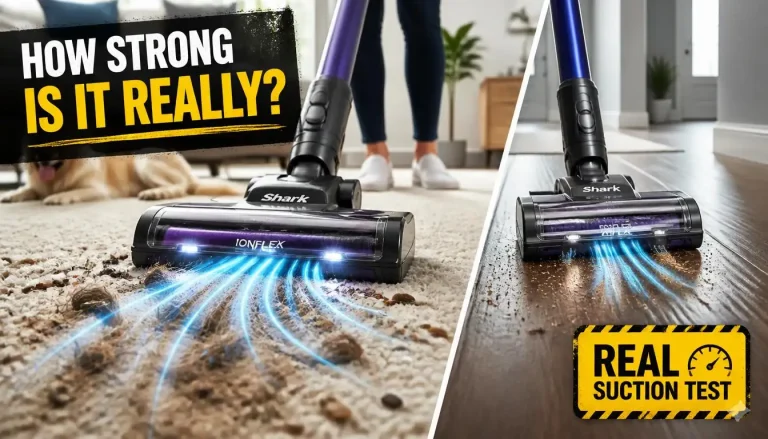 Shark IonFlex Suction Power: How Strong Is It Really?
If you are wondering how much suction does the shark ionflex cordless vacuum have, the answer depends entirely on which power mode you select. In standard…
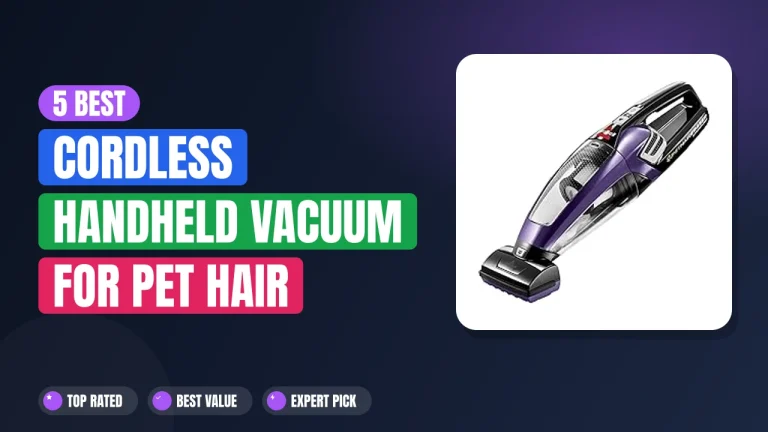 5 Best Cordless Handheld Vacuum for Pet Hair 2026
Every dog owner knows the battle of fur on furniture and car seats. Finding the right best cordless handheld vacuum for pet hair comes down to…
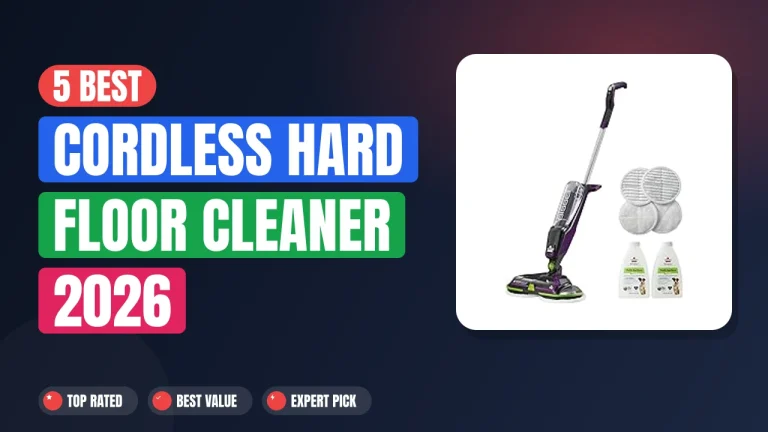 5 Best Cordless Hard Floor Cleaner 2026
Keeping hard floors clean without the hassle of cords is something many homeowners now expect from their daily routine. A best cordless hard floor cleaner…