
Master the Art of Vacuum Maintenance: How to Clean Your Cordless Vacuum Filter in 2026
You just finished vacuuming the entire house, but as you empty the dustbin, you notice a faint, musty smell wafting from the machine. Or worse, you see a cloud of dust puff back out of the exhaust vents. This is the silent signal that your cordless vacuum filter is crying out for attention. In 2026, cordless vacuums are more powerful and convenient than ever, but their Achilles' heel remains the same: a clogged filter. Ignoring this small component can turn your high-performance cleaning tool into a dust-spreading, battery-draining shadow of its former self.
Understanding how to properly clean your cordless vacuum filter is not just about maintaining suction power; it is about your investment, improving your indoor air quality, and extending the lifespan of your machine. This guide will walk you through the entire process, from identifying your filter type to establishing a maintenance schedule that keeps your vacuum running like new. Whether you own a Dyson, Shark, Samsung, or a budget-friendly model, the principles are universal, and the results are transformative.
Why Filter Maintenance Matters More Than You Think
The filter in your cordless vacuum is the unsung hero of your cleaning routine. Its primary job is to trap microscopic particles—dust mites, pollen, pet dander and fine debris—and prevent them from being recirculated into the air you breathe. When a filter becomes clogged with these particles, the vacuum motor has to work significantly harder to pull air through the blockage. This increased resistance not only reduces suction power by up to 50% but also drains your battery much faster, as the motor struggles to maintain performance.
Beyond performance, a dirty filter poses a health risk. As the filter becomes saturated, it can no longer trap fine particles effectively. This means that during your next cleaning session, your vacuum may actually be blowing allergen-laden air back into your living space. For households with allergy sufferers or pets, this can exacerbate respiratory issues and undo the very purpose of cleaning. In 2026, with a greater focus on indoor air quality, maintaining a clean filter is a non-negotiable part of home hygiene.
Finally, neglecting filter maintenance can lead to permanent damage. The extra strain on the motor generates excess heat, which can warp plastic components and shorten the lifespan of the battery and motor assembly. Replacing a vacuum motor or battery is far more expensive than the few minutes it takes to clean a filter. By establishing a simple cleaning routine, you are not just preserving suction; you are actively extending the life of your entire vacuum system.
Identifying Your Filter Type and Knowing When to Clean
Before you start cleaning, you need to know what kind of filter your cordless vacuum uses. The two most common types are washable foam filters and high-efficiency particulate air (HEPA) filters. Washable foam filters are typically found in older or budget models and are designed to be rinsed with water. HEPA filters, common in premium models like Dyson V15 or Samsung Bespoke Jet, are made of a dense, pleated material that can capture 99.97% of particles as small as 0.3 microns. Some HEPA filters are washable, but many are not and must be replaced. Always check your user manual or the manufacturer's website for specific guidance on your model.
Knowing when to clean your filter is just as important as knowing how. A good rule of thumb is to clean a washable filter every one to two months, or more frequently if you have pets or a large home. You will know it is time when you notice a significant drop in suction power, the vacuum emits a dusty smell, or the filter itself looks visibly caked with gray or brown debris. Many modern vacuums have a filter cleaning indicator light that will illuminate when airflow is restricted. Do not wait for the light to come on as a suggestion; treat it as a deadline.
For HEPA filters that are not washable, you should perform a dry cleaning every month by tapping the filter gently against a trash can to dislodge loose dust. However, these filters have a finite lifespan, typically six to twelve months depending on usage. If you notice that dry cleaning no longer restores suction, or if the filter appears discolored and damaged, it is time for a replacement. Using a vacuum with a compromised HEPA filter is worse than using no filter at all, as it can release trapped particles directly into your home.
The Step-by-Step Guide to Cleaning a Washable Filter
Cleaning a washable cordless vacuum filter is a straightforward process, but it requires patience. First, ensure the vacuum is turned off and the battery is removed for safety. Locate the filter housing, which is usually behind a latch near the dustbin or at the top of the motor unit. Remove the filter carefully, taking note of its orientation. Before you introduce any water, use a soft brush or your fingers to gently knock off as much loose, dry dust as possible over a trash can. This prevents the dust from turning into mud when wet.
Next, rinse the filter under cool, running tap water. Do not use hot water, as it can warp the foam or damage the filter material. Hold the filter with the dirtiest side facing down so the water carries the debris away. Avoid using soap or detergents, as chemical residues can damage the filter and release harmful fumes when the vacuum is used. Gently squeeze the filter to work the water through the material, but never wring or twist it, as this can tear the foam or break the internal structure. Continue rinsing until the water runs clear.
The most critical step is drying. A wet filter will ruin your vacuum motor and promote mold growth. Gently squeeze out as much water as possible, then pat the filter dry with a clean, lint-free towel. Place the filter in a well-ventilated away from direct sunlight or heat sources for at least 24 hours. Do not use a hair dryer, microwave, or oven to speed up the process, as heat will melt or deform the filter. Once the filter is completely bone-dry, reinstall it, ensuring it clicks securely into place. Your vacuum will now feel like it just came out of the box.
How to Maintain Non-Washable HEPA Filters and Pre-Filters
cordless vacuums with non-washable HEPA filters, the maintenance strategy shifts from cleaning to preservation and timely replacement. The best way to extend the life of a-washable HEPA filter is to clean the pre-filter and dustbin regularly. Many modern vacuums have a two-stage filtration system: a washable foam or mesh pre-filter that catches larger debris, and a HEPA final filter that catches the finest particles. By keeping the pre-filter clean, you dramatically reduce the amount of fine dust that reaches the expensive HEPA filter.
maintain a non-washable HEPA filter, perform a dry cleaning routine every two to four weeks. Remove the filter and gently tap it against a hard surface, like the inside of a trash can, to dislodge trapped dust. You can also use a soft-bristled brush attachment on a separate vacuum to gently suction dust from the surface of the HEPA filter. Be careful not to damage the delicate pleated paper. Some users find success using compressed air to blow dust out from the clean side of the filter, but do this outdoors to avoid redistributing the dust.
When it is finally time to replace the HEPA filter, do not buy a cheap, third-party alternative. While they may be tempting due to lower cost, generic filters often have inferior filtration media and a looser fit, allowing unfiltered air to bypass the filter entirely. This defeats the purpose of having a HEPA system. Invest in an OEM (Original Equipment Manufacturer) filter from your vacuum brand. Set a calendar reminder for every six months to check the filter, and replace it immediately if you notice a persistent loss of suction or a dusty smell after cleaning.
Establishing a Long-Term Filter Care Routine for 2026
The key to a long-lasting cordless vacuum is not a single deep clean, but a consistent maintenance routine. Start by creating a simple schedule. After every vacuuming session, empty the dustbin. A full dustbin forces the filter to work harder and clog faster. Once a week, visually inspect the filter for any obvious clogs or damage. Once a month, perform a thorough cleaning of your washable filter or a dry cleaning of your HEPA filter. Mark these dates on your phone calendar or use a smart home reminder.
In 2026, many new cordless vacuums come with self-cleaning or anti-tangle technologies, but these do not eliminate the need for manual filter care. For example, the LG CordZero A9 Kompressor has a dust-compression feature that reduces dustbin volume, but the filter still needs regular attention. Similarly, Dyson’s Cinetic technology claims to have no filter maintenance, but this applies only to specific models and still requires periodic cleaning of the cyclone assembly. Always read the fine print of your vacuum’s features.
Finally, store your vacuum properly to protect the filter. Do not leave your cordless vacuum in a hot garage or damp basement, as humidity can cause mold to grow on a damp filter. Store it in a cool, dry place, and if you have a spare filter, keep it in a sealed plastic bag. By treating your filter as a consumable component that requires regular care, you will ensure that your cordless vacuum delivers peak performance for years, saving you money on replacements and keeping your home genuinely clean.
Frequently Asked Questions
Can I use soap or detergent to clean my cordless vacuum filter?
: No, you should generally avoid using soap, detergent, or any cleaning chemicals on vacuum filters. These substances can leave a residue that clogs the filter pores, reduces airflow, and may release harmful fumes when the vacuum heats up during use. For washable filters, plain cool tap water is the only safe cleaning agent. For non-washable HEPA filters, only dry cleaning methods like tapping or gentle brushing are recommended.
How often should I replace my cordless vacuum filter instead of just cleaning it?
The replacement schedule depends on the filter type and your usage. Washable foam filters can last for years if cleaned regularly, but should be replaced if they become torn, misshapen, or lose their elasticity. Non-washable HEPA filters typically need replacement every 6 to 12 months. If you have pets, vacuum frequently, or live in a dusty environment, you may need to replace the HEPA filter every 3 to 6 months. A good rule is to replace it when cleaning no longer restores suction.
What happens if I use my cordless vacuum without a filter?
Never operate your cordless vacuum without a filter in place. The filter is the only barrier protecting the motor from dust and debris. Running the vacuum without a filter will allow fine particles to enter the motor, causing it to overheat, seize up, or fail permanently within minutes. It will also blow unfiltered, dirty air directly into your home. Always ensure the filter is properly installed before each use.
My vacuum filter smells musty even after cleaning. What should I do?
A musty smell after cleaning usually indicates that the filter was not dried completely before being reinstalled. Mold and mildew thrive in damp, dark environments. Remove the filter immediately and allow it to dry in direct sunlight or a very well-ventilated area for an additional 24 to 48 hours. If the smell persists after thorough drying, the filter may have mold growing inside the material and must be replaced. To prevent this in the future, always ensure the filter is 100% bone-dry before reinstalling.
Can I wash a HEPA filter that is labeled as non-washable?
It is strongly advised against washing a HEPA filter that is explicitly labeled as non-washable. The delicate pleated paper or fiberglass media in these filters will disintegrate, clump, or tear when exposed to water. Washing a non-washable HEPA filter will destroy its structure, rendering it useless and potentially damaging your vacuum. If you accidentally wash a non-washable filter, do not reinstall it; purchase a replacement immediately.
Conclusion
Maintaining your cordless vacuum filter is one of the simplest yet most impactful home maintenance tasks you can perform. By understanding the difference between washable and non-washable filters, following the correct cleaning procedures, and establishing a regular schedule, you can ensure your vacuum operates at peak efficiency for years. The few minutes you invest each month will save you from expensive repairs, frustrating performance drops, and poor indoor air quality.
Now is the perfect time to check your vacuum’s filter. Grab your user manual, locate the filter housing, and give it the attention it deserves. Your vacuum will reward you with powerful suction, longer battery life, and a cleaner home. Make filter maintenance a habit, and you will never have to suffer through a weak, smelly vacuum again. Your lungs and your floors will thank you.

Liam Parker covers robot vacuums, cordless vacuums, and smart home cleaning technology, focusing on practical comparisons, features, performance, and buying advice.
Related posts
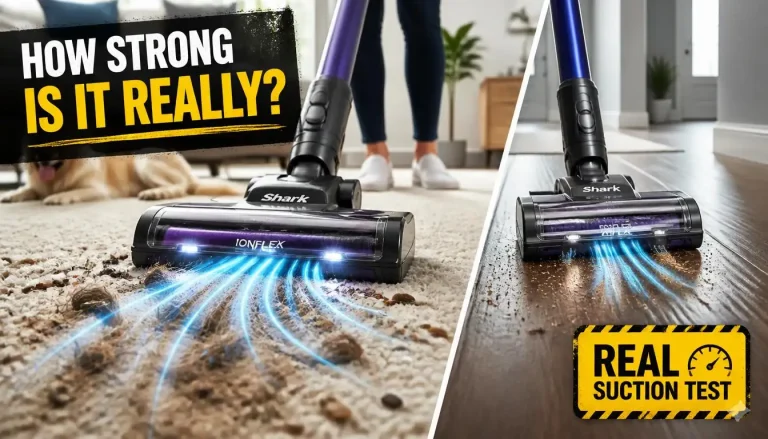 Shark IonFlex Suction Power: How Strong Is It Really?
If you are wondering how much suction does the shark ionflex cordless vacuum have, the answer depends entirely on which power mode you select. In standard…
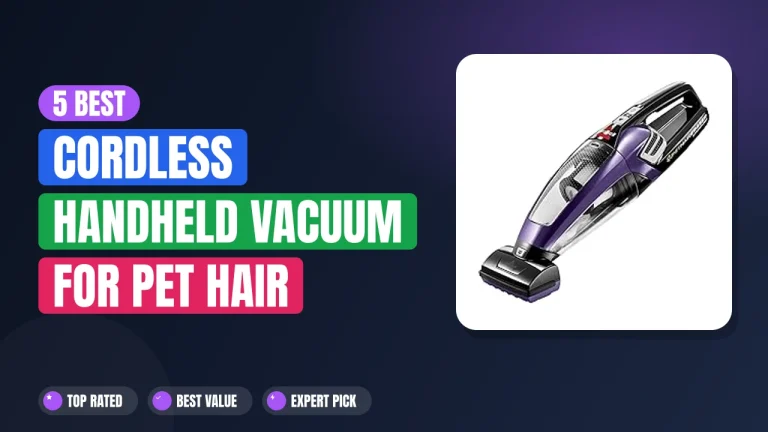 5 Best Cordless Handheld Vacuum for Pet Hair 2026
Every dog owner knows the battle of fur on furniture and car seats. Finding the right best cordless handheld vacuum for pet hair comes down to…
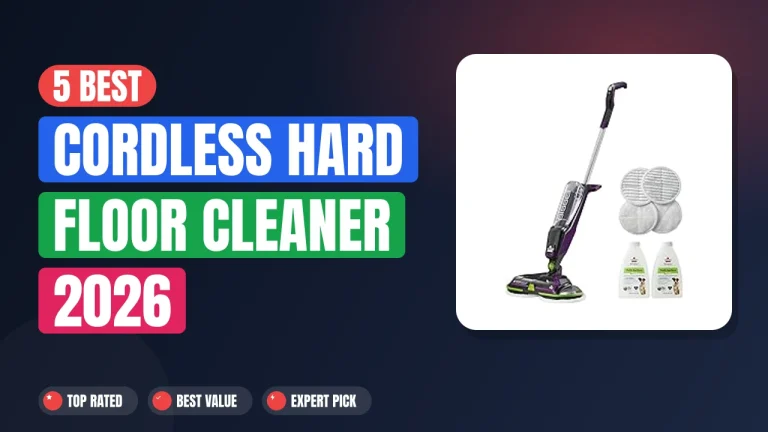 5 Best Cordless Hard Floor Cleaner 2026
Keeping hard floors clean without the hassle of cords is something many homeowners now expect from their daily routine. A best cordless hard floor cleaner…