
Master Your Machine: The Complete Guide to Cleaning Your Dyson Cordless Animal Vacuum in 2026
You rely on your Dyson Cordless Animal vacuum to tackle pet hair, dust, and daily debris, but when was the last time you actually cleaned the vacuum itself? A clogged filter or tangled brush bar can reduce suction power by up to 50%, leaving your floors looking worse than before. In 2026, with more households owning multiple pets and high-traffic areas, maintaining your cordless vacuum is no longer optional—it is essential for preserving both your machine’s lifespan and your home’s air quality.
This comprehensive guide will walk you through every step of cleaning your Dyson Cordless Animal vacuum, from the easy weekly maintenance to the deep-cleaning tasks you should perform monthly. You will learn how to identify common problem areas, use the right tools without damaging components, and restore peak performance to your machine. Whether you own the V8, V10, V11, V15, or the latest Gen5 model, these techniques apply universally and will save you money on repairs and replacements.
Why Regular Cleaning Matters for Your Dyson Cordless Animal
Your Dyson Cordless Animal vacuum is engineered with cyclonic technology that separates dirt from air, but this system relies on unobstructed airflow. When pet hair, dust, and dander accumulate in the bin, filter, or brush bar, cyclones cannot spin efficiently. This leads to reduced suction, overheating, and eventually, motor strain. In 2026, manufacturers have noted that the most common warranty claims stem from neglected filter cleaning, not mechanical failure.
Beyond performance, hygiene is a major concern. A dirty vacuum can become a breeding ground for bacteria, mold, and allergens. When you vacuum, you are essentially blowing these particles back into your home if the filter is clogged or the bin is not emptied regularly. For pet owners, this is especially problematic because dander and saliva proteins can trigger allergies even after vacuuming. Cleaning your machine ensures that the air leaving the exhaust is as clean as the air entering the intake.
Finally, regular maintenance extends the life of your investment. A Dyson Cordless Animal vacuum is a premium appliance, and replacing parts like the battery or motor can cost nearly as much as a new unit. By spending 15 minutes every two weeks on cleaning, you can avoid expensive repairs and keep your vacuum running like new for five years or more. The time invested now pays off in consistent performance and lower long-term costs.
The Filter: Your Vacuum’s Lungs and How to Care for Them
Start by removing the dust bin from the main body. On most Dyson Cordless Animal models, you press a red button near the handle to release the bin. Empty the contents into a trash bag, but do not stop there. Use a soft brush or an old toothbrush to dislodge debris stuck in the bin’s crevices, especially around the rubber seal at the top. Pet hair often wraps around this seal, preventing a tight closure and causing dust to leak back into the motor.
Next, clean the cyclone assembly. This is the cone-shaped part inside the bin that spins dirt out of the air. On models like the V11 and V15, can remove the cyclone by twisting it counterclockwise. Rinse it under lukewarm running water—never use soap or detergent, as these can leave residue that clogs the cyclones. Shake off excess water and let it air dry completely for at least 24 hours. Do not reassemble while wet, as moisture can damage the motor and promote mold growth.
For stubborn buildup, use a can of compressed air to blow out dust from the fins. Hold the nozzle at a 45-degree angle and from the inside out. This is particularly effective for the V8 and V10 models, where the cyclones are smaller and harder to reach with a brush. Once dry, reattach the cyclone to the bin, ensuring it clicks into place. A properly cleaned bin and cyclone assembly can restore suction by 30% or more immediately.
Taming the Tangle: Cleaning the Brush Bar and Head
The filter is the single most important component for maintaining suction and air quality. Dyson Cordless Animal vacuums typically have two filters: a pre-filter (often washable) and a post-filter (HEPA on newer models). Locate the filter—usually behind a panel near the handle or on the back of the machine. On the V15 and Gen5, the filter is a large cylindrical piece that twists off. Remove it and tap it gently over a trash can to remove loose dust.
Wash the filter under cold running water until the water runs clear. Do not use any cleaning agents, as they can damage the filter media. Gently squeeze the filter to remove excess water—do not twist or wring, as this can tear the fibers. Place the filter on a towel in a well-ventilated area and let it dry for at least 24 hours. A damp filter will reduce suction and can cause the motor to overheat. For pet owners, consider washing the filter every two weeks instead of the recommended monthly.
If your filter is more than two years old or shows signs of tearing, replace it immediately. Dyson recommends replacing filters every 6 to 12 months depending on usage. In 2026 third-party filters are available but they often lack the same micron rating as OEM parts. Stick with genuine Dyson filters to ensure HEPA-level filtration, especially if anyone in your home suffers from allergies. A clean filter is the cheapest and most effective way to keep your vacuum performing at its best.
Clearing Clogs: The Hidden Blockages That Kill Suction
The brush bar is where pet hair and string accumulate most aggressively. Turn off the vacuum and remove the brush bar by sliding the release latch on the side of the cleaner head. On the V8 and V10, you may need a coin to unlock the end cap. Once removed, use scissors or a seam ripper to cut away hair wrapped around the bristles. Work carefully to avoid cutting the bristles themselves. For deeply embedded hair, run the brush bar under warm water to loosen the tangles before cutting.
Inspect the brush bar bearings and end caps for hair buildup. These small parts can seize up if hair wraps around them, causing the brush bar to stop spinning. Use tweezers or a small screwdriver to remove hair from these areas. On the V15 and Gen5, the brush bar is designed with anti-tangle technology, but it is not foolproof. You should still check it monthly, especially if you have long-haired pets like Golden Retrievers or Persian cats.
Clean the cleaner head itself by wiping down the plastic housing with a damp microfiber cloth. Pay attention to the suction channel—the opening where debris enters the brush bar. Use a straightened paperclip to dislodge any clogs. Finally, lubricate the brush bar bearings with a drop of silicone-based lubricant (never oil) to ensure smooth rotation. Reinstall the brush bar, making sure it clicks into place and spins freely by hand. A clean brush bar improves carpet agitation and reduces strain on the motor.
Key Takeaways
- ✓ Clean the dust bin and cyclone assembly every two weeks to maintain suction and prevent dust leakage.
- ✓ Wash the filter under cold water monthly and let it dry for 24 hours; replace it every 6-12 months for optimal performance.
- ✓ Remove hair from the brush bar and bearings regularly to prevent tangles and motor strain.
- ✓ Check for clogs in the wand, hose, and internal channels at least once a month, especially after heavy pet hair use.
- ✓ Use only genuine Dyson replacement parts and avoid harsh chemicals to preserve your warranty and machine longevity.
Frequently Asked Questions
Can I use soap or detergent to clean my Dyson filter?
No, you should never use soap, detergent, or any cleaning agents on Dyson filters. These chemicals can leave a residue that clogs the filter fibers, reducing airflow and suction. Always rinse filters under cold running water only, and let them air dry completely for at least 24 hours before reinstalling.
How often should I clean the brush bar on my Dyson Cordless Animal?
For pet owners, clean the brush bar every two to four weeks. If you have long-haired pets or notice the brush bar stopping during use, clean it immediately. Even with anti-tangle technology on newer models, hair can still accumulate around the bearings and end caps, which can cause the brush bar to seize.
My Dyson vacuum smells bad when I use it. What should I do?
bad smell usually indicates a dirty filter or a clog in the bin or hose. First, wash the filter thoroughly and let it dry. Next, empty the dust bin and clean the cyclone assembly. If the smell persists check for organic debris like wet pet food or mold in the brush bar or hose. You can also sprinkle baking soda in the bin and let it sit for an hour before emptying to neutralize odors.
it safe to rinse the entire cleaner head under water?
No, you should only rinse the removable brush bar and the dust bin components. The cleaner head contains electrical connections and the motor for the brush bar, which can be damaged by water. Instead, wipe the cleaner head with a damp cloth and use compressed air to clean hard-to-reach areas.
Why is my Dyson Cordless Animal not charging after cleaning?
If your vacuum stops charging after cleaning, you may have gotten moisture into the battery contacts or the charging port. Ensure all components are completely dry before reassembling. If the issue persists, check the battery connection for debris or corrosion. In rare cases, water damage can short-circuit the battery, requiring a replacement. Always let parts dry for a full 24 hours before reconnecting.
Conclusion
Cleaning your Dyson Cordless Animal vacuum is not a chore—it is an investment in your home’s cleanliness and your machine’s longevity. By following the steps outlined in this guide, you can restore lost suction, odors, and prevent costly repairs. Remember to focus on the four critical areas: the bin and cyclone, the filter, the brush bar, and the airflow channels. Each of these components plays a vital role in keeping your vacuum performing at its peak.
In 2026, with more people working from home and spending time indoors, a well-maintained vacuum is more important than ever. Set a recurring reminder on your phone to perform these cleaning tasks every two to four weeks. Your floors will look better, your air will be cleaner, and your Dyson will reward you with years of reliable service. Start today by emptying that dust bin and giving your filter a good wash—you will notice the difference immediately.

Liam Parker covers robot vacuums, cordless vacuums, and smart home cleaning technology, focusing on practical comparisons, features, performance, and buying advice.
Related posts
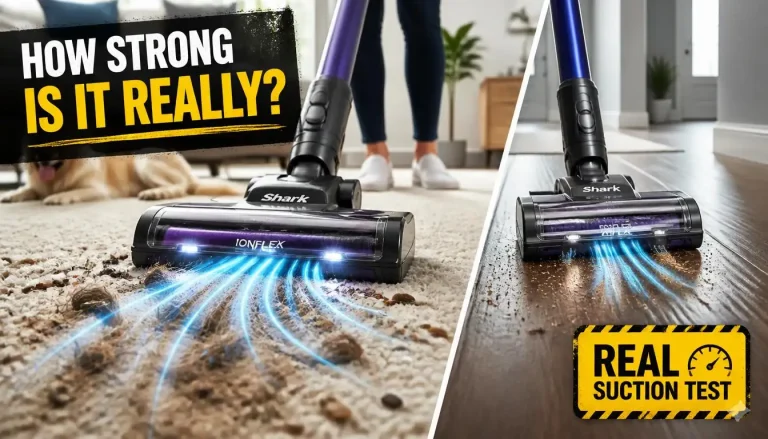 Shark IonFlex Suction Power: How Strong Is It Really?
If you are wondering how much suction does the shark ionflex cordless vacuum have, the answer depends entirely on which power mode you select. In standard…
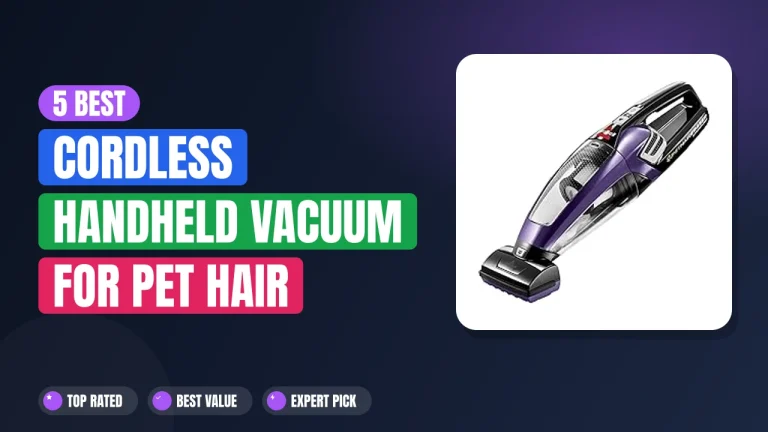 5 Best Cordless Handheld Vacuum for Pet Hair 2026
Every dog owner knows the battle of fur on furniture and car seats. Finding the right best cordless handheld vacuum for pet hair comes down to…
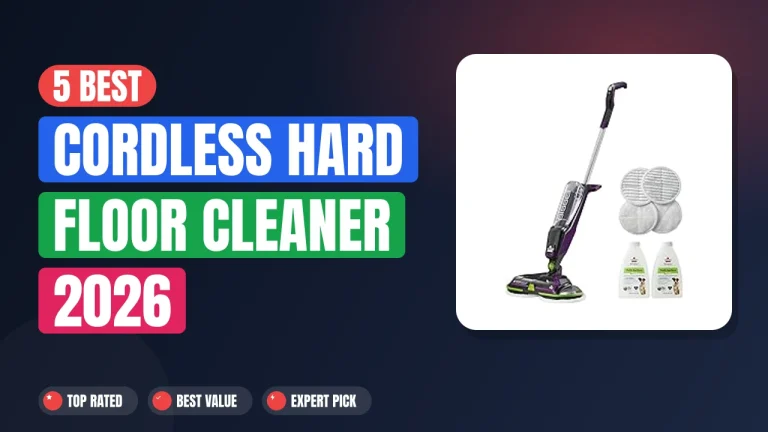 5 Best Cordless Hard Floor Cleaner 2026
Keeping hard floors clean without the hassle of cords is something many homeowners now expect from their daily routine. A best cordless hard floor cleaner…