
Master Your Maintenance: How to Clean the Filter in Your Shark Cordless Vacuum in 2026
You just finished vacuuming the living room, but instead of feeling satisfied, you notice a distinct dusty smell wafting from your Shark cordless vacuum. The suction power seems weaker than it was last month, and you find yourself going over the same spot three times. Before you blame the battery or the motor, there is a simple, often-overlooked culprit: a clogged filter. In 2026, with homes accumulating more microplastics, pet dander, and fine dust than ever, maintaining your vacuum’s filtration system is not just about cleanliness; it is about preserving the lifespan of your investment.
This article will walk you through the exact process of cleaning the filter in your Shark cordless vacuum, regardless of whether you own an ION, Vertex, or Rocket model. You will learn the specific steps for removal, cleaning, drying, and reinstallation, along with expert tips to avoid common mistakes that can permanently damage your machine. By the end, you will restore peak suction, eliminate odors, and extend the life of your vacuum, saving you time and money on repairs.
Why Filter Maintenance Matters More Than You Think
Your Shark cordless vacuum relies on a sophisticated cyclonic system to separate dirt from air, but the filter is the final line of defense. It captures microscopic particles that the cyclones miss, including pollen, mold spores, and fine dust. When this filter becomes clogged, airflow is restricted. The motor has to work harder to pull air through the blockage, which drains the battery faster and reduces suction power by up to 40%. In 2026, with energy costs rising, an inefficient vacuum is an expensive luxury.
Beyond performance, a dirty filter is a health hazard. When the filter is saturated, it can no longer trap allergens effectively. Instead, it can release a plume of fine dust back into your air every time you vacuum. For households with asthma or allergy sufferers, this can trigger symptoms immediately. Regular cleaning ensures that the air leaving your vacuum is actually cleaner than the air entering it, which is the entire point of vacuuming in the first place.
Finally, neglecting the filter can void your warranty. Shark’s warranty terms explicitly require routine maintenance, including filter cleaning. If a motor failure occurs and the technician finds a filter caked with, your repair claim may be denied. The good news is that cleaning the filter takes less than ten minutes and nothing. It is the single most effective maintenance task you can perform to keep your vacuum running like new for years.
Step-by-Step: Removing the Filter Safely
Before you start, ensure the vacuum is completely turned off and disconnected from the charger. Safety first: never attempt to remove a filter while the vacuum is running or charging. Locate the filter housing, which is typically found in one of two places depending on your model. On most Shark cordless models like the ION F80 or Vertex, the filter is located behind a translucent plastic door on the back of the dust cup. On older models like the Rocket DuoClean, it may be a cylindrical cartridge that twists off from the top of the motor housing.
To remove the filter, press the release button or twist the housing counterclockwise. Do not yank or pull forcefully. If the filter feels stuck, it is likely because it is wet or packed with debris. Gently tap the housing on a trash can to dislodge loose dirt before attempting removal. Once the housing is open, pull the foam or felt filter straight out. Note the orientation; most filters have a specific top and bottom. Take a picture with your phone if you are unsure, as installing it backward can cause air leaks.
Inspect the filter immediately. If you see visible tears, holes, or compressed areas where the foam has collapsed, do not attempt to clean it. A damaged filter will allow dirt to bypass the filtration system and enter the motor, causing permanent damage. In this case, you need a replacement filter. Shark recommends using only genuine Shark filters, as third-party filters often have different pore sizes that can restrict airflow or fail to capture fine particles.
The Proper Cleaning Method: Dry vs. Wet
Shark cordless vacuums typically use two types of filters: a pre-motor foam filter and a post-motor HEPA felt filter. The cleaning method differs for each. For the foam filter, start with dry cleaning. Take the filter outside and firmly tap it against a hard surface, like a concrete step or the side of a trash can. This will dislodge the majority of loose dust and debris. Use a soft-bristled brush, like an old toothbrush, to gently scrub the surface of the foam to release embedded particles.
For a deeper clean, you can wash the foam filter with cool water. Never use hot water, as it can shrink the foam and alter its density. Do not use soap, detergent, or any cleaning chemicals. Soap residue can create a film that traps dirt faster and can release harmful fumes when the vacuum heats up. Simply run the filter under a gentle stream of cool tap water, squeezing it repeatedly until the water runs clear. Squeeze, do not twist or wring, as twisting can tear the foam structure.
The felt HEPA filter is a different story. Most Shark felt filters are not washable. Attempting to wash them can cause the fibers to mat down, permanently reducing filtration efficiency. For felt filters, stick to dry cleaning only. Tap the filter gently to remove surface dust, and use a vacuum cleaner with a brush attachment to suck debris from the felt surface. If the felt filter is heavily soiled or has a gray, stained appearance that does not improve with tapping, it is time for a replacement. A good rule of thumb is to replace the felt filter every six months and the foam filter every three to six months, depending on usage.
The Critical Drying Phase: Patience is a Virtue
Reinstallation and Routine Maintenance Schedule
Once the filter is completely dry, reinstall it in the correct orientation. For foam filters, ensure the flat side is facing the motor and the textured side faces the dust cup. For felt filters, align the tab or notch with the corresponding slot in the housing. Push the filter in until it seats firmly, then close the housing door or twist the cap back on. You should hear a or feel a snug fit. If the door does not close easily, the filter is likely not seated correctly or is still damp and swollen.
Turn the vacuum on and hold your hand over the nozzle. You should feel strong, consistent suction. If the suction is weak, check for air leaks around the filter housing door. A common mistake is forgetting to reinstall the filter at all. Running the vacuum without a filter will immediately suck debris into the motor, causing catastrophic failure. Always double-check that the filter is in place before using the vacuum.
Establish a maintenance schedule to keep your vacuum in top shape. For light use (vacuuming once a week in a low-pet home), clean the foam filter every month and the felt filter every three months. For heavy (daily vacuuming, multiple pets, or high-traffic areas), clean the foam filter every two weeks and the felt filter monthly. Set a recurring reminder on your phone Additionally, empty the dust cup after every use. A full dust cup forces the filter to work harder and clog faster. By integrating these habits, your Shark cordless vacuum will maintain factory-level performance for years.
Key Takeaways
- ✓ Clean the foam filter with cool water only, never soap or hot water, and squeeze gently without twisting.
- ✓ Felt HEPA filters should only be dry-cleaned by tapping or using a brush; washing ruins their structure.
- ✓ Allow washed filters to air dry for a full 24 to 48 hours before reinstalling to prevent mold and motor damage.
- ✓ Inspect filters for tears or compression every cleaning; replace damaged filters immediately with genuine Shark parts.
- ✓ Establish a routine: clean foam filters monthly and felt filters quarterly, and empty the dust cup after every use.
Frequently Asked Questions
Can I use a hairdryer to speed up the drying of my Shark vacuum filter?
No, you should never use a haryer, microwave, oven, or any direct heat source to dry a Shark vacuum filter. High heat will melt the material, shrink the fibers, and warp the plastic housing. This permanently damages the filter and can cause it to fail to seal properly, leading to air leaks and reduced suction. Always allow the filter to air dry naturally for at least 24 hours in a well-ventilated area.
How often should I replace the filter in my Shark cordless vacuum instead of just cleaning it?
Even with regular cleaning, filters wear out. Replace the foam pre-motor filter every 3 to 6 months, and the felt HEPA post-motor every 6 to 12 months. If you notice the filter has visible holes, tears, or the foam has become permanently compressed and does not spring back after washing, replace it immediately. Using a worn filter allows dirt to bypass the system and damage the motor.
My Shark vacuum smells bad even after cleaning the filter. What else could be wrong?
A persistent odor after cleaning the filter usually indicates one of three issues. First, the filter may not have been dried completely, leading to mold growth. Second, debris may be trapped in the dust cup or the cyclonic assembly. Remove the dust cup and wash it with mild soap and water, ensuring it is completely dry before reattaching. Third hair or string may be wrapped around the brush roll, burning and creating a smell. Check and clean the brush roll regularly.
Is it safe to wash the HEPA felt filter from my Shark cordless vacuum?
Generally, no. Most Shark cordless vacuums use a felt HEPA filter that is not designed to be washed. Washing a felt filter causes the fibers to mat and clump together, which permanently reduces its ability to trap fine particles and restricts airflow. You should only dry-clean felt filters by tapping them or using a brush attachment on another vacuum. If the felt filter is heavily soiled, replace it with a new one.
Can I run my Shark cordless vacuum without the filter installed?
Absolutely not. Running the vacuum without a filter is one of the fastest ways to destroy the motor. Without the filter, fine dust and debris are sucked directly into the motor assembly, where they can score the bearings, clog the windings, and cause the motor to overheat and fail. This type of damage is not covered under warranty. Always ensure a clean, dry filter is installed before every use.
Conclusion
Maintaining the filter in your Shark cordless vacuum is a simple, cost-free task that delivers outsized benefits. By following the steps outlined in this guide, you can restore lost suction, eliminate unpleasant odors, and prevent costly motor repairs. The key takeaways are straightforward: clean the foam filter with cool water, dry-clean the felt filter, allow ample drying time, and stick to a regular schedule. These habits will keep your vacuum performing at its peak, ensuring every pass picks up dirt efficiently.
Now is the perfect time to put this knowledge into action. Go grab your Shark cordless vacuum, locate the filter, and give it the attention it deserves. Set a recurring monthly reminder on your calendar for filter cleaning and a quarterly reminder for filter replacement. Your floors will be cleaner, your air will be healthier, and your vacuum will thank you with years of reliable service. Do not wait until the suction fades; proactive maintenance is the secret to a long-lasting appliance.

Liam Parker covers robot vacuums, cordless vacuums, and smart home cleaning technology, focusing on practical comparisons, features, performance, and buying advice.
Related posts
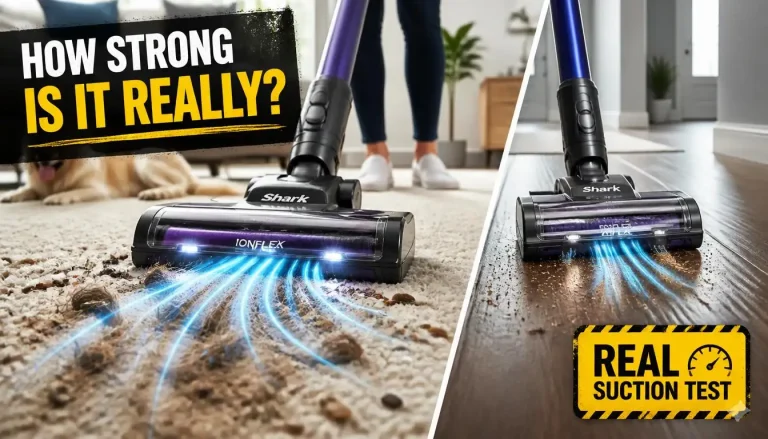 Shark IonFlex Suction Power: How Strong Is It Really?
If you are wondering how much suction does the shark ionflex cordless vacuum have, the answer depends entirely on which power mode you select. In standard…
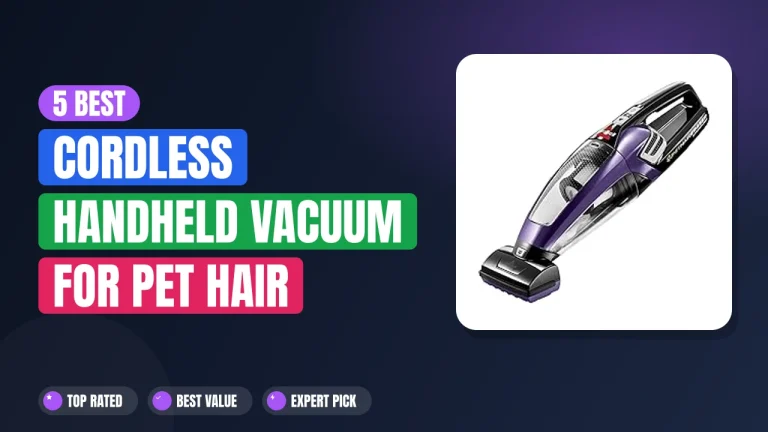 5 Best Cordless Handheld Vacuum for Pet Hair 2026
Every dog owner knows the battle of fur on furniture and car seats. Finding the right best cordless handheld vacuum for pet hair comes down to…
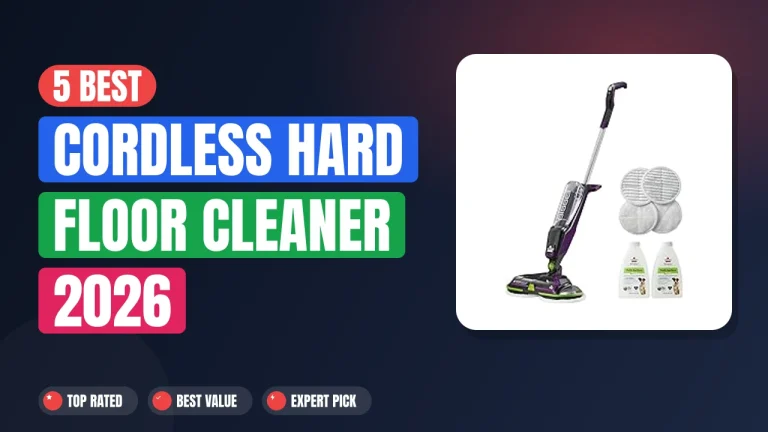 5 Best Cordless Hard Floor Cleaner 2026
Keeping hard floors clean without the hassle of cords is something many homeowners now expect from their daily routine. A best cordless hard floor cleaner…