
The Ultimate Guide to Shark Cordless Vacuum Filters: How to Clean for Peak Performance in 2026
You love the freedom and power of your Shark cordless vacuum, gliding effortlessly from room to room. But lately, you’ve noticed a drop in suction, a strange whining noise, or the battery draining faster than usual. The culprit is almost always a neglected filter. Unlike traditional vacuums, the high-performance motors in cordless models are exceptionally sensitive to airflow blockages, making filter maintenance not just a chore, but a critical ritual for preserving your investment.
This comprehensive guide demystifies the process of cleaning your Shark cordless vacuum filter. A clean filter is the heart of your vacuum's health; it ensures maximum suction power, protects the motor from dust damage, and maintains optimal battery life by reducing strain. You will learn to identify your specific filter type, master a step-by-step cleaning process for each, understand maintenance schedules, and discover troubleshooting tips to keep your Shark running like new for years to come. Proper care transforms routine cleaning from a potential headache into a simple, quick task.
Why Filter Maintenance is Non-Negotiable for Cordless Vacuums
The filter in your Shark cordless vacuum is not a passive component; it is an active guardian of the entire system. Its primary job is to trap microscopic dust, allergens, and fine debris that the cyclone technology misses, preventing them from being recirculated into your home's air. However, its role extends far beyond air quality. A clogged filter restricts the essential airflow that cools the vacuum's high-speed digital motor. This forces the motor to work harder, drawing more power from the battery and leading to noticeably shorter runtimes and potential overheating, which can trigger safety shut-offs or long-term damage.
Consider the physics at play: cordless vacuums operate on a delicate balance of power, airflow, and battery efficiency. When the filter is saturated with dirt, the motor must create a stronger vacuum to pull air through the barrier. This increased workload directly translates to higher energy consumption. You might find yourself needing to recharge after cleaning just one room instead of your entire floor. Furthermore, the trapped debris itself can become damp from ambient humidity, creating a paste-like substance that further chokes airflow and can lead to unpleasant odors emanating from your vacuum.
The practical advice is clear: regular filter cleaning is the single most effective way to maintain the advertised performance of your Shark cordless model. It is a preventative measure that safeguards your battery's lifespan, ensures consistent deep-cleaning power, and protects the motor—the most expensive part of the vacuum—from premature failure. Treating filter care as optional is a surefire way to diminish your vacuum's capabilities and shorten its useful life.
Identifying Your Shark Cordless Vacuum Filter Type
Before you begin cleaning, you must correctly identify the filter or filters in your specific model. Shark cordless vacuums, such as the IZ, Vertex, Ultra, and Detect series, typically use a combination of two main filters. The first is the pre-motor filter, often a soft, open-cell foam sleeve that fits around the dust cup or inside a dedicated compartment. This filter's job is to catch larger particles before they reach the finer main filter. The second is the post-motor or HEPA filter, usually a pleated, paper-like material sealed in a plastic frame. This high-efficiency filter captures the finest allergens and dust, ensuring clean exhaust air.
Locating these filters is straightforward. Always refer to your user manual first. Generally, you will find the filters by removing the dust cup. The foam filter is often wrapped around the cup's inner cage or sits in a lid. The HEPA filter is usually housed in a separate compartment on the main body of the vacuum, often accessed by pressing a button or sliding a cover. For example, on many Shark IZ models, the HEPA filter is behind a door on the top of the handle. It is crucial to handle the HEPA filter gently by its plastic frame, avoiding any contact with the delicate pleated material.
Knowing your filter type dictates the cleaning method. Foam filters are washable and reusable. True HEPA filters from Shark are also designed to be washed and reused multiple times, unlike the disposable HEPA filters found in some appliances. However, they require a very specific cleaning and drying process. There may also be a third filter—a thin mesh screen on the dust cup lid—that needs occasional rinsing. Taking a moment to identify each part ensures you clean your entire filtration system thoroughly.
The Step-by-Step Deep Cleaning Process
Once you have identified the filters, follow this meticulous process for a complete clean. First, ensure the vacuum is turned off and the battery is removed if possible. Empty the dust cup into the trash. Begin with the foam pre-motor filter. Gently tap it over a trash can to dislodge loose dirt. Then, rinse it under lukewarm tap water, squeezing it gently until the water runs clear. Never use hot water or soap, as these can degrade the foam. Press—do not wring—the filter between clean paper towels to remove excess moisture.
Next, address the HEPA filter. Carefully remove it from its compartment. To clean, hold it by its plastic frame and gently tap it against the inside of a trash can to remove surface dust. Then, rinse it by holding it under a gentle stream of cool, clean water from the plastic frame side only. Let the water flow through the filter, pushing dirt out the pleated side. Never scrub the pleats, submerge the filter, or run water directly onto the pleated material, as this can force dirt deeper in or damage the media. Continue rinsing until the water runs clear.
The final and most critical step is drying. Both filters must be 100% completely dry before reinstallation. Any residual moisture will cause dust to clump and can promote mold growth. Place the foam and HEPA filters on a dry paper towel in a well-ventilated area away from direct sunlight or heat sources. Allow them to air dry for a minimum of 24 hours; 48 hours is often safer for the dense HEPA filter. Do not use a hair dryer, oven, or microwave. Only when they are bone-dry should you reassemble your vacuum.
Creating a Maintenance Schedule and Troubleshooting
Consistency is key. A proactive cleaning schedule prevents severe clogs and performance loss. For average use (cleaning 1-2 times per week), you should rinse the foam pre-motor filter every month. The HEPA filter requires a deep clean every 3 months. If you have pets, allergies, or a dusty environment, double this frequency. Always clean all filters after vacuuming up fine powders, like flour or drywall dust, as these can instantly clog the system. Mark your calendar or set a phone reminder to make this a routine habit.
Even with regular cleaning, you may encounter issues. If your vacuum still has weak suction after cleaning the filters, check for hidden blockages. Detach the wand and hose and look through them toward a light source. Inspect the brush roll for tangled hair and debris, and clear the air pathways around the dust cup lid. Another common problem is a musty odor. This almost always stems from a filter that was reinstalled while still damp. The only solution is to remove all filters again and allow them to dry completely, which may take several days if they were wet for a long period.
Key takeaways for troubleshooting: First, performance issues are 90% filter-related. Second, complete drying is non-negotiable. Third, have a replacement schedule in mind. Even with perfect care, washable HEPA filters have a lifespan. Shark generally recommends replacing the HEPA filter every 12-18 months under normal use, as the microscopic fibers that trap particles will eventually degrade. Purchasing a genuine Shark replacement filter ensures perfect fit and continued filtration performance, protecting your motor and your air quality.
Advanced Tips and Long-Term Care for Your Investment
To elevate your maintenance game, consider implementing a two-filter system. If your budget allows, purchase an extra set of genuine Shark filters. While one set is drying over its full 48-hour period, you can insert the dry spare set and continue using your vacuum without interruption. This is especially useful for large cleaning jobs or for households that rely on the vacuum daily. It also ensures you are never tempted to reinstall a slightly damp filter just because you need to clean.
Beyond the filters, holistic care extends your vacuum's life. Regularly wipe down the exterior with a dry cloth and clean the sensors on models with auto-adjust suction. Keep the charging contacts on the vacuum and dock free of dust. Store your vacuum in a cool, dry place, not a damp garage or hot car trunk. Furthermore, be mindful of what you vacuum. While Shark vacuums are powerful, avoid large quantities of wet debris, fireplace ash, or sharp objects that could damage internal components or tear a filter.
Wrapping up this section, remember that your cordless vacuum is a precision tool. The few minutes spent on proper filter care pay massive dividends in performance, longevity, and hygiene. By integrating these advanced tips—like having spare filters and practicing comprehensive care—you transform maintenance from a reactive task into a seamless part of your cleaning routine. This proactive approach guarantees that the powerful, convenient clean you experienced on day one remains consistent for the long haul.
Key Takeaways
- ✓ A clean filter is essential for maintaining strong suction, protecting the motor, and maximizing battery life in your Shark cordless vacuum.
- ✓ Correctly identify your specific filters (foam pre-motor and post-motor HEPA) and clean each according to its proper method—gentle rinsing without soap or harsh water pressure.
- ✓ The single most critical step is allowing all filters to air dry completely for at least 24-48 hours before reinstallation to prevent clogs, odors, and motor damage.
- ✓ Establish a proactive cleaning schedule (e.g., foam monthly, HEPA every 3 months) and increase frequency if you have pets, allergies, or a dusty home.
- ✓ For uninterrupted use and optimal care, consider purchasing a spare set of genuine filters and perform holistic maintenance, including checking for blockages and cleaning the vacuum's exterior and sensors.
Frequently Asked Questions
How often should I really clean my Shark cordless vacuum filter?
For the foam pre-motor filter, aim for a rinse every month with regular use. For the main HEPA filter, a deep clean every 3 months is standard. If you vacuum frequently, have pets, or notice reduced suction, clean both filters more often. Always clean all filters immediately after vacuuming fine powders like baking soda or construction dust.
Can I use soap or cleaning solutions to wash the filters?
No. You should only use clean, cool to lukewarm tap water. Detergents, soaps, or solvents can leave residues that damage the filter material, clog the pores, and may cause excessive foaming inside the vacuum if not fully rinsed. Water alone is perfectly effective at removing the accumulated dust and debris.
My filter still smells musty after washing and drying. What can I do?
A persistent musty odor indicates mold or mildew growth, usually because the filter was damp for too long. You can try rinsing it again thoroughly and then letting it dry for 3-4 days in a well-ventilated area. However, if the smell remains, the filter is likely compromised and should be replaced. Odors will circulate back into your home during use.
Are Shark cordless vacuum filters really washable and reusable?
Yes, the foam and HEPA filters in Shark cordless models are designed to be washed and reused multiple times. This is a key feature. However, they are not indestructible. With proper care (gentle rinsing and thorough drying), a HEPA filter can last through many washes, but Shark recommends replacing it with a genuine part every 12-18 months as the filtration media eventually wears out.
I cleaned and dried my filters, but my vacuum still has weak suction. What's wrong?
First, double-check that the filters are 100% bone-dry. If they are, the issue is likely a blockage elsewhere. Disassemble the vacuum: check the hose, wand, and clean the opening where the dust cup attaches. Remove the brush roll and clear any wound hair or string. Also, ensure the dust cup is empty and its lid and seals are clean. A full blockage in the airflow path will cause suction loss even with clean filters.
Conclusion
Maintaining your Shark cordless vacuum filter is a simple yet profoundly important task that sits at the core of the machine's performance and longevity. By understanding the critical role filters play, identifying your specific components, and following the meticulous process of rinsing and, most importantly, thorough drying, you can effortlessly preserve the powerful clean you expect. Adopting a proactive schedule and integrating advanced tips like keeping spare filters will ensure your vacuum remains a reliable tool for years, not just months.
Do not wait for a complete loss of suction to act. Today, take five minutes to locate and inspect your vacuum's filters. Schedule their first deep clean if needed, and consider ordering a spare set to make future maintenance effortless. Your Shark cordless vacuum is a powerful ally in home cleanliness, and with this straightforward care routine, you are guaranteed to get the very best it has to offer, maintaining a cleaner home and protecting your investment well into the future.

Liam Parker covers robot vacuums, cordless vacuums, and smart home cleaning technology, focusing on practical comparisons, features, performance, and buying advice.
Related posts
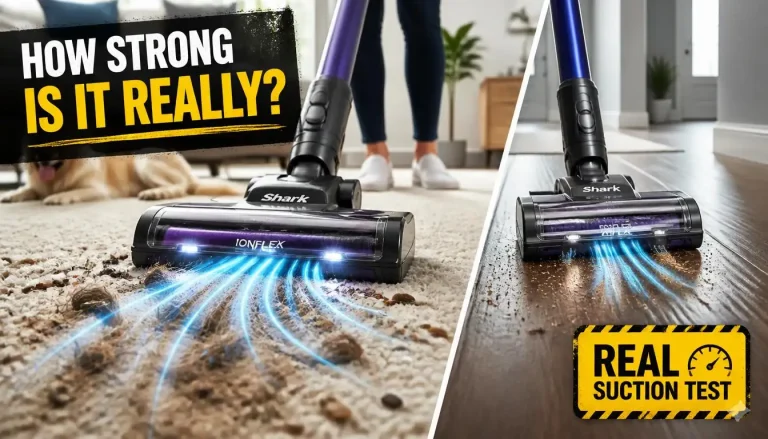 Shark IonFlex Suction Power: How Strong Is It Really?
If you are wondering how much suction does the shark ionflex cordless vacuum have, the answer depends entirely on which power mode you select. In standard…
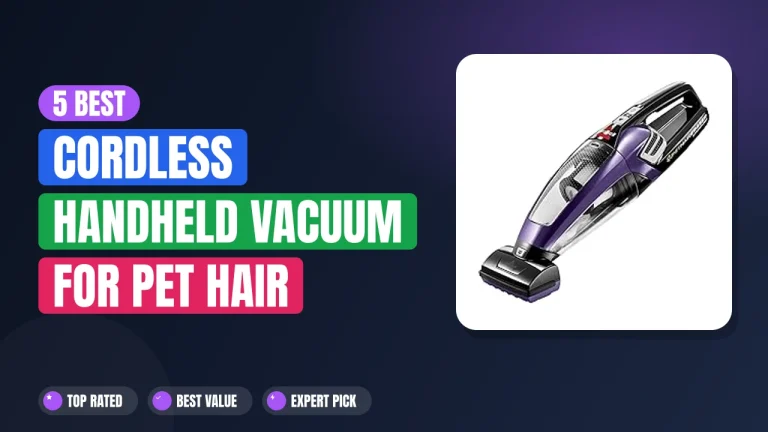 5 Best Cordless Handheld Vacuum for Pet Hair 2026
Every dog owner knows the battle of fur on furniture and car seats. Finding the right best cordless handheld vacuum for pet hair comes down to…
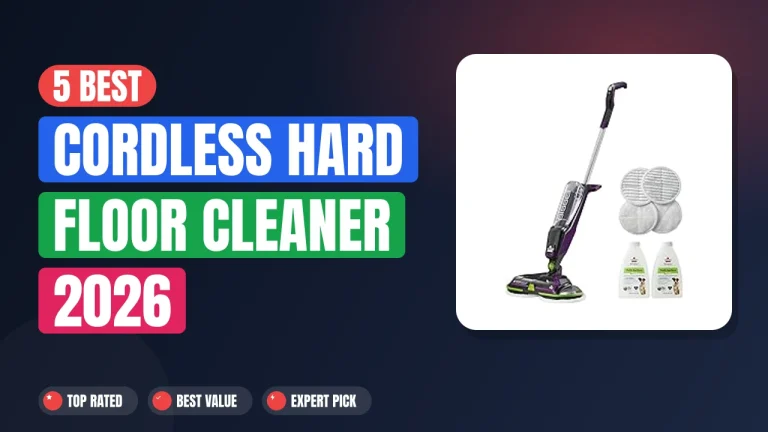 5 Best Cordless Hard Floor Cleaner 2026
Keeping hard floors clean without the hassle of cords is something many homeowners now expect from their daily routine. A best cordless hard floor cleaner…