
The Ultimate Cordless Stick Vacuum Guide 2026: Finding the Perfect Balance of Power, Weight, and Price
Imagine gliding effortlessly from hardwood floors to plush carpets, tackling pet hair, crumbs, and dust bunnies without the constant battle of a cord. The cordless stick vacuum has revolutionized home cleaning, promising a level of convenience our parents could only dream of. But with dozens of models on the market, each boasting an array of confusing specs, the promise of a clean home can quickly turn into the headache of a difficult purchase decision. This guide cuts through the marketing noise to help you find the machine that truly fits your life.
The "best" cordless stick vacuum isn't a single model; it's the one that best aligns with your specific home, needs, and budget. A powerhouse vacuum perfect for a large home with pets might be an overpriced, heavy burden in a small apartment. This article will demystify the key features—from motor technology and battery life to filtration and accessory kits. You will learn how to interpret specifications, understand real-world performance trade-offs, and make an informed choice that leaves you satisfied for years to come.
Beyond the Hype: Core Technologies That Matter
The heart of any cordless vacuum is its motor and battery system. The most significant advancement in recent years is the widespread adoption of brushless digital motors. Unlike traditional brushed motors, these are more efficient, generate more suction power (often measured in Air Watts or Pascals), and have a longer lifespan because they don't have physical brushes that wear out. When comparing models, prioritize those with a brushless motor; it's a cornerstone of modern, powerful performance. However, raw suction numbers on a box can be misleading, as they often represent peak power in a specific, non-standardized mode that drains the battery in minutes.
Equally critical is the battery, typically lithium-ion. Look for voltage (often between 14.4V and 60V) and ampere-hour (Ah) ratings. A higher voltage generally enables stronger suction, while a higher Ah rating indicates more energy capacity, contributing to longer runtime. The real-world metric is runtime, but always check which power mode it refers to. A vacuum may boast 60 minutes on a low, minimally effective setting but only 7-10 minutes on its maximum suction mode. The best brands now offer removable, interchangeable batteries, a feature that effectively doubles your cleaning time and extends the vacuum's overall lifespan.
The third pillar is the filtration system. A good vacuum should trap dust inside the bin, not blow it back into the air. Look for a fully sealed system with a HEPA (High-Efficiency Particulate Air) filter. A true HEPA filter captures 99.97% of particles as small as 0.3 microns, including pollen, mold spores, and dust mite allergens. This is non-negotiable for allergy or asthma sufferers. Remember that filters require maintenance; check if they are washable (a cost-saving feature) and how easy they are to access and clean to maintain peak performance.
Matching the Vacuum to Your Home's Terrain
Your flooring type is the single biggest factor in choosing the right tool. For homes with mostly hard floors (hardwood, tile, laminate), you need a vacuum that won't scatter debris or scratch surfaces. Look for a motorized brush roll that can be turned off or a model that comes with a soft roller brush head. These specialized heads, often called "hair screw" or "laser" rollers, are designed to attract and roll up fine dust and larger particles on hard floors silently and efficiently. They are a game-changer for keeping hard floors truly clean.
If carpets, especially medium to high-pile carpets, feature prominently, suction power and brush roll agitation are paramount. You need a motorized brush roll with stiff bristles or a combination of bristles and nylon filaments to dig into the carpet fibers, loosen embedded dirt, and suction it away. Pay attention to the vacuum's ability to automatically adjust suction when moving from hard floor to carpet; this preserves battery life and protects hard floors. Test reviews that measure carpet cleaning performance are essential here, as some vacuums excel on hard floors but struggle on rugs.
Don't forget about the transitions and obstacles. Consider the vacuum's weight and maneuverability. A lightweight model is easier to carry up stairs or use for above-floor cleaning. Check the swivel capability of the head; a full 180-degree or more swivel makes navigating around chair and table legs effortless. Also, examine the clearance height of the vacuum head. A low-profile design is necessary to clean under sofas and beds, a major dust-collecting zone. A vacuum that can't reach where dirt lives is of limited use.
The Pet Owner & Allergy Sufferer's Special Considerations
Decoding the Specs: Runtime, Attachments, and Smart Features
Battery runtime is the most misunderstood spec. Manufacturers prominently display the longest possible runtime, usually on the lowest setting. Always dig for the runtime on the highest or "boost" mode, which is what you'll use for problem areas. For a standard 2,000 sq. ft. home, aim for a vacuum that offers at least 20-25 minutes of effective cleaning (medium mode) on a single charge. If your home is larger, prioritize models with removable batteries so you can swap in a fresh one mid-clean. Charging time is also a factor; most take 3-5 hours for a full charge.
The accessory suite transforms a floor vacuum into a whole-home cleaning system. Essential tools include a crevice tool for tight spaces, a dusting brush for delicate surfaces, and a motorized upholstery tool. The gold standard for above-floor cleaning is a powered "mini motorized tool," a smaller version of the main brush roll for stairs and furniture. Consider your needs: a soft dusting brush is vital for blinds and shelves, while a flexible hose or wand extension can make cleaning cars or ceiling corners much easier. Storage is also part of the equation; a wall dock that holds the vacuum and all attachments is highly valuable.
Smart features are becoming more common but vary in usefulness. Digital displays that show remaining battery life in minutes (not just bars) are incredibly helpful for planning your clean. Some models connect to smartphone apps to track filter life, access tutorials, or lock the trigger. While convenient, these should not be primary decision factors. Focus on core performance and ergonomics first. A vacuum with excellent suction, a good battery, and the right attachments but no app will serve you better than a "smart" vacuum with lackluster fundamentals.
The Price-to-Performance Sweet Spot and Top Brands in 2026
The cordless vacuum market has stratified into clear tiers. Budget models (under $250) have improved dramatically, offering decent performance for small apartments or as secondary vacuums. They often compromise on battery life, bin capacity, or have less effective filtration. The mid-range ($250-$500) is the most competitive, featuring excellent all-around performers from brands like Shark, LG, and Tineco. Here you'll find strong suction, good runtime, HEPA filtration, and versatile tool sets that satisfy the majority of households.
The premium tier ($500+) is dominated by Dyson, with strong competition from brands like Miele and Samsung. You pay for cutting-edge motor technology, superior build quality, more intelligent battery management, and often more hygienic emptying systems. For large homes with varied flooring and pets, this investment can be justified by the daily convenience and performance. However, the law of diminishing returns applies; a $800 vacuum is not twice as good as a $400 one. Assess if the incremental benefits are truly valuable for your specific situation.
When evaluating brands, consider the ecosystem. Dyson has set the standard for innovation and offers a wide range of compatible tools across its lineup. Shark provides tremendous value and often includes two batteries in its kits. LG and Samsung leverage their electronics expertise for smart batteries and displays. Tineco and Bissell offer compelling alternatives that undercut on price. Crucially, research the warranty (typically 2-5 years) and customer service reputation. A vacuum is a long-term purchase, and support matters when something goes wrong.
Key Takeaways
- ✓ The "best" vacuum is subjective and depends on your home's flooring, size, and specific needs like pet hair or allergies.
- ✓ Core technologies to prioritize are a brushless digital motor, a removable lithium-ion battery, and a fully sealed HEPA filtration system.
- ✓ Match the brush head to your floors: soft rollers for hard floors, aggressive motorized heads for carpets, and seek anti-tangle designs for pet hair.
- ✓ Always check runtime on the highest suction setting, not just the eco mode, and value a complete set of attachments, especially a motorized mini tool.
- ✓ Price correlates with features and performance, but the mid-range market offers the best balance of power, convenience, and value for most consumers.
Frequently Asked Questions
How long do cordless stick vacuum batteries typically last before needing replacement?
The battery itself, with regular use (1-2 times per week), will typically hold a good charge for 2-4 years. Its lifespan is measured in charge cycles (often 300-500 full cycles). Many modern vacuums have user-replaceable batteries, which cost between $50 and $150. To extend battery life, avoid constantly draining it to zero; try to recharge when it hits 20-30%. Also, store the vacuum in a cool, dry place, not on the charger permanently after it's full.
Can a cordless stick vacuum truly replace an upright or canister vacuum?
For most people in homes under 3,000 sq. ft. with a mix of flooring, yes, a high-quality cordless stick can be the primary vacuum. Their convenience leads to more frequent cleaning. However, for very large homes with wall-to-wall high-pile carpet, a traditional upright may still have an edge in deep-cleaning power and uninterrupted runtime. Many households now use a cordless for daily quick cleans and a more powerful corded model for a weekly deep clean.
Are the bags or bagless models better?
Bagless models are the standard for cordless sticks, favored for their lower ongoing cost. However, emptying a bagless bin can expose you to dust. Bagged models, less common in cordless, offer superior allergen containment and are more hygienic to empty, but you have the recurring cost of bags. For allergy sufferers, the key is a bagless model with a truly sealed, hygienic dirt-eject mechanism that minimizes exposure during emptying.
What is the most important feature for picking up fine dust on hard floors?
A dedicated soft roller brush head is the most important feature. This is a wide roller covered in a microfiber or fleece-like material that electrostatically attracts and rolls up fine dust, sand, and even larger debris without scattering it. It operates quietly and is gentle on delicate floors. Some brands offer this as a separate attachment, while others have it as the primary head. It's a transformative tool for hard floor cleaning.
How often should I clean the filters and brush roll?
For optimal performance, empty the dust bin after every use. The pre-motor filter (usually foam or felt) should be rinsed every 1-2 months, depending on use. The final HEPA filter should be cleaned according to the manual, typically every 3-6 months. Always let filters dry completely for 24 hours before reinstalling. Check the brush roll for hair and debris entanglement every few weeks, especially with pets. Regular maintenance is essential to maintain suction power.
Conclusion
Choosing the best cordless stick vacuum cleaner requires moving beyond brand loyalty and flashy advertisements to a clear-eyed assessment of technology, design, and real-world utility. By understanding the interplay between motor power, battery life, floorhead design, and filtration, you can identify the machine that will seamlessly integrate into your cleaning routine. Remember to weigh the importance of pet hair tools, allergen sealing, and accessory kits against your specific household challenges and the layout of your home.
Your next step is to use this framework as a filter. Read professional and user reviews that test runtime on different surfaces, evaluate hair-wrapping, and assess ease of emptying. If possible, visit a retailer to feel the vacuum's weight and balance in your hand. By investing this time in research, you will not just buy a vacuum; you will invest in a tool that makes maintaining a cleaner, healthier home simpler and faster for years to come.

Liam Parker covers robot vacuums, cordless vacuums, and smart home cleaning technology, focusing on practical comparisons, features, performance, and buying advice.
Related posts
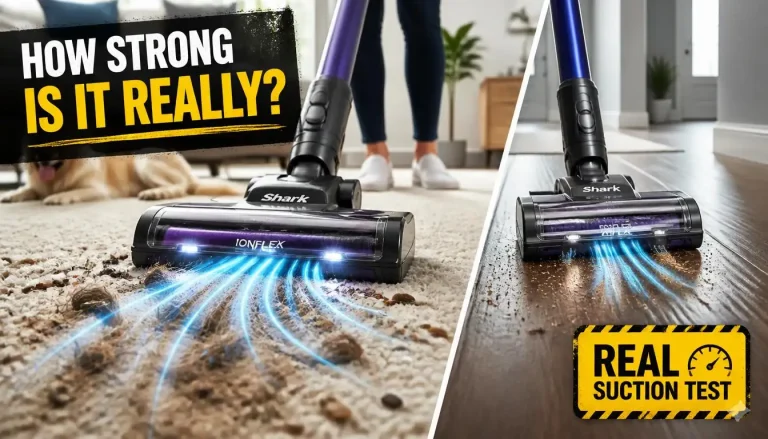 Shark IonFlex Suction Power: How Strong Is It Really?
If you are wondering how much suction does the shark ionflex cordless vacuum have, the answer depends entirely on which power mode you select. In standard…
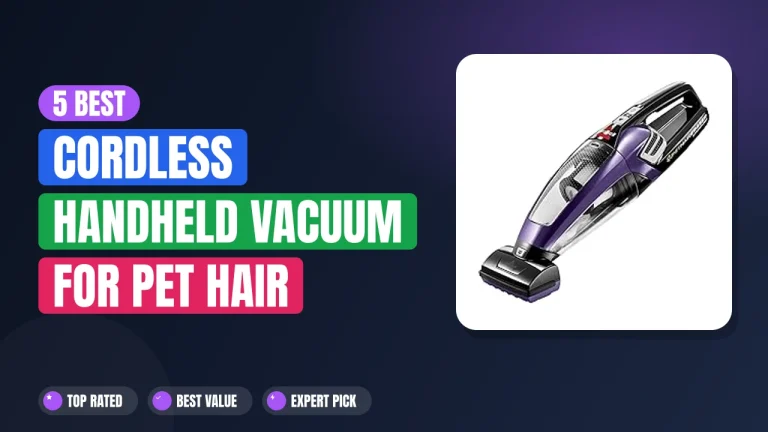 5 Best Cordless Handheld Vacuum for Pet Hair 2026
Every dog owner knows the battle of fur on furniture and car seats. Finding the right best cordless handheld vacuum for pet hair comes down to…
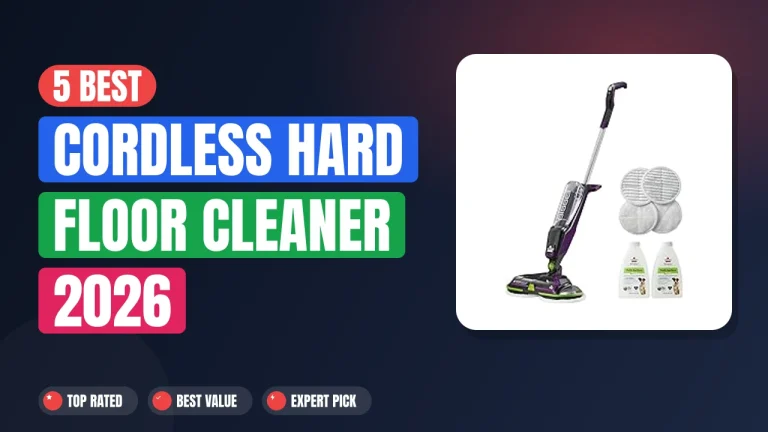 5 Best Cordless Hard Floor Cleaner 2026
Keeping hard floors clean without the hassle of cords is something many homeowners now expect from their daily routine. A best cordless hard floor cleaner…