
The Ultimate Guide to Cordless Vacuums for Pet Hair: 2026 Buying Breakdown
If you share your home with furry friends, you know the battle against pet hair is relentless. It clings to carpets, embeds itself in upholstery, and forms tumbleweeds in every corner. The right tool can transform this daily chore from a frustrating struggle into a quick and efficient task. In 2026, cordless stick vacuums have evolved into powerful, intelligent machines specifically engineered to tackle the unique challenges posed by shedding cats and dogs.
This guide is designed to through the marketing jargon and provide you with a clear, comprehensive understanding of what makes a cordless vacuum excel at pet hair removal. You will learn which technical specifications truly matter, how different design features impact real-world performance, and what to prioritize based on your specific home and pets. By the end, you'll be equipped with the knowledge to invest in a machine that not only picks up hair but also simplifies your cleaning routine for years to come.
The Non-Negotiable Features for Pet Hair
When evaluating cordless vacuums for pet hair, certain features move from "nice-to-have" to absolutely essential. The first is a motorized brush roll, specifically one designed with anti-tangle technology. Pet hair, especially long strands, is notorious for wrapping around brush bars and stalling the vacuum. In 2026, leading models feature brush rolls with stiff bristles for deep carpet penetration, paired with groove or spiral designs that actively channel hair toward the bin instead of letting it coil around the axle. Without this, you'll be performing frequent and frustrating surgery with scissors to cut away hair clogs.
Suction power, measured in Air Watts (AW) or Pascals (Pa), remains a critical metric, but raw power isn't everything. A well-sealed cyclonic system is equally important. Multi-cyclonic technology separates debris and hair from the air stream, preventing the fine filters from clogging quickly. For pet owners, a clogged filter means an immediate and drastic loss of suction, just when you need it most. Look for a vacuum that maintains strong, consistent suction from the first pass to the last, even as the bin fills, which is a sign of an efficient separation system.
Finally, the floor nozzle design itself is paramount. A good pet hair nozzle will have a wide intake for covering large areas quickly, but also a slim profile or articulated edge to get close to baseboards and under furniture where hair accumulates. Some high-end 2026 models feature illuminated nozzles, which are surprisingly useful for spotting hidden clumps of hair under beds or sofas. The combination of a tangle-free motorized brush, sustained strong suction, and a thoughtfully designed nozzle forms the foundational trifecta for pet hair success.
Battery Life, Runtime, and Real-World Cleaning
Cordless vacuum runtime is one of the most advertised specs, but for pet owners, understanding the difference between "rated" and "effective" runtime is crucial. A vacuum may boast 60 minutes of runtime, but that is typically on the lowest power setting without the motorized brush roll engaged. For pet hair on carpets, you will need maximum suction and the brush roll spinning, which can cut that time by 50% or more. In 2026, a realistic target for effective, high-power cleaning is 15-25 minutes, which should be sufficient for a thorough clean of a standard-sized apartment or one floor of a house.
Battery technology and management have seen significant advances. Look for vacuums with removable, interchangeable batteries. This feature is a game-changer; you can purchase a spare battery, effectively doubling your cleaning time for larger homes, and the ability to remove the battery for separate charging adds flexibility. Fast-charging capabilities are also now common, with many high-end models reaching a full charge in under three hours. Some even offer a "quick charge" function that provides 10-15 minutes of power in just a short charging period for emergency spot cleans.
To maximize your vacuum's runtime, adopt a strategic cleaning approach. Start with the areas that need the most power—high-pile carpets with embedded hair. Then, switch to a mid-power mode for hard floors and area rugs. Use the handheld mode for stairs and upholstery only as needed, as it often uses a different, less power-hungry motor. Regularly cleaning the filters and emptying the dustbin before it's completely full also reduces strain on the motor and battery, helping to maintain optimal performance and longevity over the life of the vacuum.
Filtration: The Key to a Cleaner Home and Air
For pet households, filtration is about more than just trapping dust; it's about capturing dander, allergens, and the microscopic particles that accompany pet hair. A high-efficiency filtration system ensures that what you vacuum stays in the bin and isn't blown back into the air you breathe. The gold standard remains a fully sealed system with a HEPA (High-Efficiency Particulate Air) filter. In 2026, true HEPA filtration (capable of trapping 99.97% of particles as small as 0.3 microns) is common in premium cordless models and is highly recommended for anyone with pet allergies or asthma.
However, the filter is only as good as its maintenance. Pet hair and dander will clog filters rapidly. The best vacuums for pet owners are designed for easy, tool-free filter maintenance. Look for washable, reusable pre-motor and post-motor filters. This not only saves money on replacement costs but also ensures you can clean them frequently without hassle. Some models now include filter cleaning reminders or indicators on their digital displays, prompting you to maintain peak air quality and suction performance.
Beyond the HEPA filter, consider the dustbin design and emptying mechanism. A "bagless" design is standard, but how you empty it matters. "Clean-release" or "hands-free" bins that eject the debris with a single button press, minimizing contact with the collected hair and dust, are a significant hygiene advantage. For 2026, the most advanced systems even feature self-sealing dirt compartments that temporarily contain the debris as it drops into your trash can, dramatically reducing the cloud of dust and allergens that can escape during emptying.
Specialized Attachments for Pet-Specific Challenges
The main floor nozzle does the heavy lifting, but the right attachments turn a good cordless vacuum into a comprehensive pet hair solution. The most critical specialized tool is a motorized mini turbo brush or pet hair tool. This is a smaller, often rectangular attachment with its own spinning brush bar, designed specifically for upholstery, stairs, car interiors, and pet beds. It provides the same aggressive, tangle-fighting action on surfaces where your main floor head cannot go, and it is indispensable for any pet owner.
A crevice tool and a dusting brush are also essential. The crevice tool is perfect for extracting hair from the seams of couches, car seats, and between cushions. The dusting brush, with its soft bristles, can gently whisk hair from lampshades, delicate fabrics, and blinds without causing damage. In 2026, many vacuum brands offer combination tools, like a crevice tool with a flip-out brush, which adds versatility and reduces the need to switch attachments constantly during a cleaning session.
Consider also the storage and accessibility of these tools. A wall-mounted docking station that holds the vacuum and all its attachments is highly recommended. It keeps your toolkit organized, charged, and ready for action at a moment's notice. When comparing models, check how many attachments are included in the standard package versus sold separately. A vacuum that comes with a dedicated pet tool, crevice tool, and dusting brush offers much better immediate value than one that requires additional purchases to handle basic pet-related tasks.
Making Your Final Decision: Home Layout and Pet Type
Your specific living environment and the type of pets you have should be the final arbiters in your choice. For homes with a mix of flooring—such as hardwoods, tile, and area rugs—look for a vacuum with an automatic floor-type sensor or a manually switchable brush roll. This prevents scatter on hard floors while providing deep cleaning on rugs. For predominantly carpeted homes, prioritize maximum suction power, a robust anti-tangle brush roll, and a model known for deep-cleaning performance.
The breed of your pet dramatically influences your needs. Homes with long-haired dogs or cats (like Golden Retrievers, Maine Coons, or Huskies) must prioritize anti-tangle technology above almost all else. The battle against wrapped hair is constant. For short-haired but prolific shedders (like Labradors or Beagles), suction power and a large bin capacity become more critical, as you'll be dealing with a higher volume of fine hair that can fill a bin quickly. Multiple-pet households should consider all factors but lean towards models with larger bins and the option for a spare battery.
Finally, factor in ergonomics and weight. A cordless vacuum should feel like an extension of your arm. If it's too heavy or poorly balanced, you'll avoid using it. Test the handle grip, the ease of switching modes, and the simplicity of emptying the bin. In 2026, many models feature lightweight yet durable materials like carbon fiber. Remember, the best cordless vacuum for pet hair is ultimately the one you will use consistently and effortlessly, making the ongoing maintenance of a clean home a simple habit rather than a dreaded chore.
Key Takeaways
- ✓ An effective pet hair vacuum requires a tangle-resistant motorized brush roll, sustained strong suction, and a high-efficiency filtration system, preferably HEPA-sealed.
- ✓ Pay attention to "effective runtime" on high power, not just advertised max runtime; removable batteries offer crucial flexibility for larger homes.
- ✓ Specialized attachments, especially a motorized mini turbo brush for upholstery, are non-negotiable for tackling pet hair on all surfaces.
- ✓ Your home's flooring mix and your pet's hair type (long vs. short) should directly guide your prioritization of features like floor sensors, bin capacity, and anti-tangle engineering.
- ✓ Ease of maintenance, including washable filters and a hygienic, hands-free bin emptying system, is critical for long-term performance and convenience.
Frequently Asked Questions
Can a cordless vacuum really be as powerful as a corded one for pet hair?
For everyday maintenance cleaning, the best 2026 cordless models are absolutely sufficient and often more convenient. While premium corded vacuums may still hold an edge in sustained maximum suction for deep cleaning very large, carpeted areas, the gap has narrowed dramatically. Modern cordless vacuums offer more than enough power to pull embedded pet hair from carpets, especially with advanced brush roll designs. Their convenience often leads to more frequent cleaning, which prevents hair buildup in the first place.
How often do I need to clean the filters on a vacuum used for pets?
Much more frequently than the manual might suggest. For a household with one or more shedding pets, a monthly cleaning of the pre-motor and post-motor filters is a good rule of thumb. If you vacuum daily or have multiple pets, you may need to rinse and thoroughly dry the filters every two to three weeks. A noticeable drop in suction is a clear sign the filters need attention. Always ensure filters are completely dry before reinserting to prevent mold and motor damage.
Is a "self-emptying" base worth the extra cost for pet owners?
For pet owners with allergies or those who dislike handling dust and dander, a self-emptying charging dock can be a significant quality-of-life investment. These docks automatically empty the vacuum's bin into a larger, sealed bag in the base when docked. This means you can go weeks or months without directly exposed to allergens. Given the high volume of hair and dander pet vacuums collect, this feature reduces a major pain point, but it does come at a premium price and requires ongoing purchase of replacement bags.
What's the best way to deal with hair wrapped around the brush roll?
Prevention is key: choose a vacuum marketed with anti-tangle technology. For maintenance, regularly inspect the brush roll. Most quality vacuums allow for easy, tool-free removal. Once removed, use scissors or a seam ripper to carefully cut along the length of the roll and pull the hair away. Some brands include a cleaning tool specifically for this purpose. Avoid pulling hair out sideways, as this can damage the bristles or bearings.
How long should I expect a cordless vacuum for pet hair to last?
With proper care, a high-quality cordless vacuum should provide reliable service for 3-5 years. The battery will typically be the first component to degrade, losing its capacity to hold a charge. This is why removable, replaceable batteries are a valuable feature. The motor and other mechanical parts can last longer if you maintain the filters, keep the brush roll clean, and avoid vacuuming up large, hard objects that can cause clogs or damage.
Conclusion
Choosing the best cordless vacuum for pet hair in 2026 is about finding the perfect balance of raw power, intelligent design, and daily convenience. By focusing on the core pillars of a tangle-free motorized brush, sustained suction with good filtration, adaptable battery life, and the right attachments, you can select a machine that effectively manages the unique mess our beloved pets create. Remember that the ideal vacuum aligns with your specific home layout, your pets' shedding patterns, and your personal cleaning habits.
Take the insights from this guide and apply them to your research. Read reviews that focus on real-world pet hair tests, and whenever possible, try to get a hands-on feel for the vacuum's weight and ergonomics. Investing in the right tool will not only keep your home cleaner but also give you back precious time and energy. The fight against pet hair is a constant one, but with the right cordless ally, it's a battle you can easily win.

Liam Parker covers robot vacuums, cordless vacuums, and smart home cleaning technology, focusing on practical comparisons, features, performance, and buying advice.
Related posts
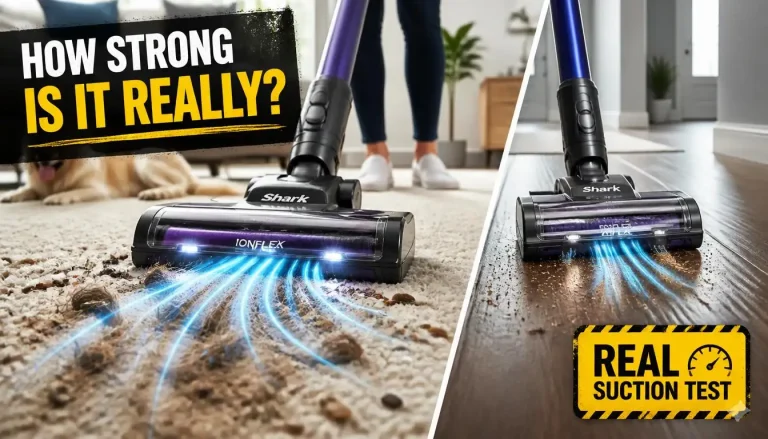 Shark IonFlex Suction Power: How Strong Is It Really?
If you are wondering how much suction does the shark ionflex cordless vacuum have, the answer depends entirely on which power mode you select. In standard…
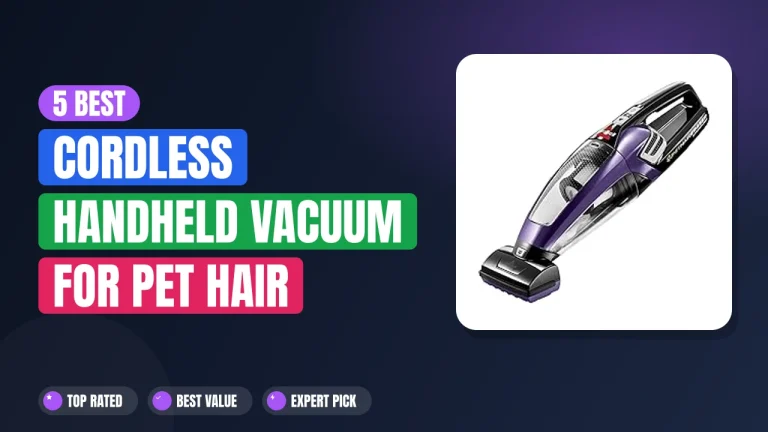 5 Best Cordless Handheld Vacuum for Pet Hair 2026
Every dog owner knows the battle of fur on furniture and car seats. Finding the right best cordless handheld vacuum for pet hair comes down to…
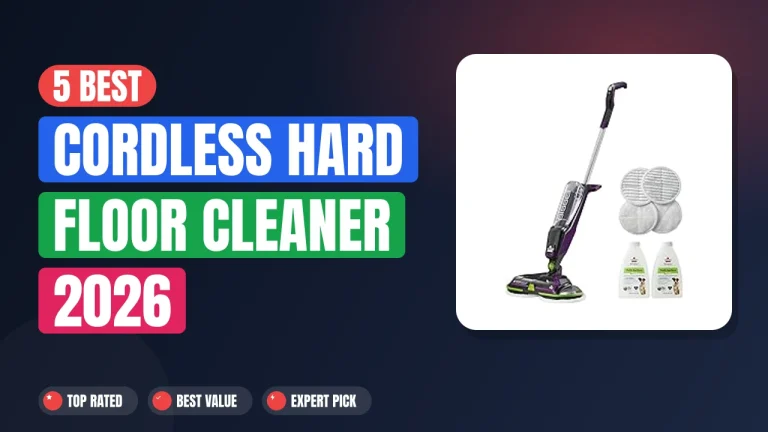 5 Best Cordless Hard Floor Cleaner 2026
Keeping hard floors clean without the hassle of cords is something many homeowners now expect from their daily routine. A best cordless hard floor cleaner…