
The Ultimate Cordless Vacuum Cleaner Guide 2026: Finding Your Perfect Match
Imagine a world where cleaning your home feels less like a chore and more like a swift, satisfying task. The humble vacuum cleaner has undergone a silent revolution, shedding its cord and transforming into a powerful, agile tool that promises freedom and efficiency. In 2026, the cordless vacuum market is more diverse and advanced than ever, offering solutions for every home, from compact apartments to sprawling family houses. But with so many brands boasting about suction power, battery life, and smart features, how do you cut through the noise to find the one that truly fits your life?
This topic matters because a cordless vacuum is a significant investment in your home's cleanliness and your personal time. The "best" model isn't a one-size-fits-all title; it's a personal equation balancing power, runtime, ergonomics, and specific cleaning needs. This comprehensive guide will demystify the key technologies, compare the leading categories, and provide a clear framework for decision-making. You will learn how to evaluate critical specs, match features to your floor types, and understand what innovations in 2026 are truly worth the investment, ensuring you choose a vacuum you'll be happy with for years to come.
The Core Technologies: Understanding What Powers Your Clean
At the heart of every great cordless vacuum are three critical components: the motor, the battery, and the filtration system. The motor is the engine, and in 2026, digital brushless motors are the standard for high-end models. These motors are more efficient, powerful, and durable than their brushed counterparts, generating immense suction from a compact unit. The key metric here is Air Watts (AW) or Pascal (Pa) of suction, but remember, raw power is only part of the story. A well-designed airflow path that minimizes clogs and resistance is equally important for translating motor power into effective cleaning on your floors.
The battery is what grants you cordless freedom, and Lithium-ion remains the dominant technology due to its high energy density and lack of memory effect. Runtime is the headline figure, often ranging from 30 to 90 minutes on a single charge, but this is always measured on the lowest power setting without attachments. In real-world use, using max suction for carpets or the motorized head can cut that time in half. Look for models with removable, interchangeable batteries, a feature that has become more common. This allows you to purchase a spare battery, effectively doubling your cleaning time for large homes, a practical solution far more valuable than a slight runtime increase on a single, fixed battery.
Finally, the filtration system is crucial for health, especially for allergy sufferers. A fully sealed system with a HEPA (High-Efficiency Particulate Air) filter is the gold standard. This ensures that the fine dust, pollen, and pet dander the vacuum picks up is trapped inside the bin and not blown back into the air you breathe. In 2026, many filters are washable and reusable, reducing long-term costs. When comparing models, check if the HEPA filter is standard or an extra-cost accessory, and consider how easy it is to access and clean the filter and the dust bin, as a cumbersome emptying process will become a daily annoyance.
Form Factor Face-Off: Stick, Handheld, or Convertible?
Cordless vacuums primarily come in three form factors, each with distinct advantages. The classic stick vacuum is the most popular, designed for whole-home floor cleaning. It is lightweight, maneuverable, and often converts into a handheld for above-floor tasks. The best stick vacuums in 2026 feature a low-profile nozzle to slide under furniture and a swivel head for navigating around table legs and corners with ease. They are ideal for daily maintenance on hard floors and low-pile carpets, but their effectiveness on thick carpets can vary greatly depending on the motor and brush roll design.
The dedicated handheld vacuum is a specialist tool. It is not meant for cleaning entire floors but excels at quick clean-ups, car detailing, and reaching upholstery, stairs, and ceilings. They are incredibly powerful for their size, often sharing the same motor technology as their larger stick siblings. For pet owners, a handheld with a motorized mini turbo brush is indispensable for lifting hair from couches and car seats. Many households find value in owning both a stick and a dedicated handheld, or they opt for a stick model that includes a powerful handheld unit as part of its modular design.
The convertible or modular vacuum system represents the pinnacle of versatility. These systems, pioneered by brands like Dyson and now adopted by many, consist of a central motor unit that clicks onto a stick for floors or transforms into a handheld for spot cleaning. All attachments use the same powerful motor. The key advantage is you invest in one powerful core that serves all purposes. The downside can be weight distribution; the heavy motor is at the top of the stick, which some users find tiring on the wrist. When choosing, consider if you value a lightweight, dedicated tool or the all-in-one convenience of a, powerful system.
Matching the Vacuum to Your Home and Lifestyle
Your home's specific characteristics are the most important factors in choosing the right vacuum. Start by assessing your floor types. For homes with mostly hard floors (wood, tile, laminate), you need a vacuum with a soft roller or fluffy brush head. This design, now common, actively counteracts the static that pushes dust away and is gentle on delicate surfaces. For homes with significant carpeting, especially medium to high-pile, a vacuum with a strong, motorized brush roll with stiff nylon bristles or anti-tangle technology is non-negotiable. It agitates the carpet fibers to pull out embedded dirt and pet hair.
Next, consider your household's unique challenges. Pet owners require a vacuum with exceptional hair-handling capabilities. Look for specialized tangle-free brush rolls that prevent hair from wrapping around the axle, a common frustration. A HEPA filter is also vital to capture dander. For allergy sufferers, a completely sealed HEPA system is the top priority. If you live in a multi-story home, the weight and ease of carrying the vacuum up and down stairs matters greatly. A lightweight stick or a model where the battery is in the handle (creating a lower center of gravity) can make a significant difference in daily usability.
Finally, factor in storage and charging. Cordless vacuums need a home, and wall-mounted docking stations have become the elegant norm. These docks hold the vacuum and all its attachments, keep it charged, and save floor space. Ensure the dock design fits in your chosen space, like a laundry room or closet wall. If you have a large home, consider the location of the dock; a central location is ideal. Also, note the battery charge time. Some vacuums charge in 2-3 hours, while others may take 4-6. A faster charge can more convenient than a slightly longer runtime if you need to do multiple cleaning sessions in a day.
Beyond the Basics: Smart Features and Innovations of 2026
The cordless vacuum market in 2026 is not just about suction; it's about intelligent cleaning. Many premium models now feature integrated LCD screens or LED indicators on the handle. These displays provide real-time feedback, showing remaining battery life in minutes, not just bars, alerting you to blockages, and indicating which power mode you're using. This turns the vacuum from a dumb tool into an interactive device, helping you manage cleaning sessions more effectively, especially when you need to prioritize areas before the battery runs out.
Automation and object recognition are the frontiers of innovation. Some high-end vacuums now include sensors that automatically increase suction power when they detect a transition from hard floor to carpet. A few pioneering models even use simple optical sensors to detect concentrated piles of debris and boost power momentarily. While not as sophisticated as a robot vacuum's mapping, these features make the manual cleaning process more efficient. Another significant innovation is in self-cleaning brush rolls and emptying mechanisms. While not yet universal, some models feature mechanisms that cut hair wrapped on the brush roll or allow for hands-free emptying of the dust bin into a larger container.
However, it's crucial to weigh the value of these smart features against their cost. An LCD screen is helpful, but it drains the battery slightly and adds to the unit's cost. Automatic suction adjustment is genuinely useful in mixed-floor homes. Before being swayed by tech, ask yourself if it solves a real problem you have. Often, the core performance—suction, filtration, battery life, and ergonomics—should command the bulk of your budget. The best "smart" feature in 2026 remains a well-designed, user-friendly physical interface: intuitive buttons, an easy-to-empty bin, and tool attachments that click on and off without a struggle.
Making the Final Decision: A Practical Evaluation Framework
Armed with knowledge, your final decision should follow a structured evaluation. First, establish a firm budget, but think in terms of total cost of ownership. A cheaper vacuum may require expensive proprietary bags or filters, while a more expensive model with washable filters and a removable battery might save money over five years. Allocate most of your budget to the core performance categories: suction power for your floor type, a sealed HEPA system if needed, and a battery runtime that covers your home's size on a medium setting.
Second, prioritize your top three "must-have" features. For one person, this might be a tangle-free brush roll for pet hair, a lightweight design for stairs, and a wall dock. For another, it could be a soft roller for hard floors, a 60-minute runtime, and a quick-charge battery. Write these down. When comparing models, see which checks all your boxes. Be wary of models that excel in one area but fail in another critical one for you, like having incredible suction but a 20-minute battery life or being lightweight but poorly balanced.
Finally, commit to hands-on research. Watch detailed video reviews that show the vacuum cleaning real-world messes like cereal, kitty litter, and embedded pet hair on carpets. Read user reviews focusing on long-term durability and customer service experiences. If possible, visit a retail store to feel the weight, test the trigger, and see how easy it is to detach the handheld unit. The best cordless vacuum for you is the one whose performance matches your specific needs and whose design makes you want to use it consistently, transforming maintenance from a dreaded task into a quick and efficient part of your routine.
Key Takeaways
- ✓ The "best" cordless vacuum is highly personal and depends on your home's flooring, primary cleaning challenges (pets, allergies), and lifestyle.
- ✓ Core performance hinges on a digital brushless motor, a Lithium-ion battery with realistic runtime expectations, and a fully sealed HEPA filtration system.
- ✓ Choose a form factor that suits your tasks: stick vacuums for whole floors, handhelds for quick clean-ups and cars, and convertible systems for maximum versatility.
- ✓ Innovations like LCD screens and auto-adjusting suction are helpful, but core ergonomics, ease of emptying, and a practical charging dock are often more valuable daily.
- ✓ Evaluate total cost of ownership, prioritize your top three must-have features, and use video and user reviews for real-world performance insights before purchasing.
Frequently Asked Questions
How long do cordless vacuum batteries typically last before needing replacement?
The battery itself, with regular use, typically lasts 2 to 4 years before you may notice a significant reduction in runtime. Most high-quality models use Lithium-ion cells that can handle hundreds of charge cycles. Many brands now offer removable batteries, which are a great investment; you can replace just the battery pack for a fraction of the cost of a new vacuum, significantly extending the appliance's total lifespan.
Can a cordless vacuum truly replace a traditional upright or canister vacuum?
For most households in 2026, a high-performance cordless vacuum can absolutely serve as the primary vacuum for daily and weekly cleaning. They excel on hard floors and low to medium-pile carpets. However, if you have very thick, high-pile carpets or a very large home (over 3000 sq ft) with mostly carpeting, a powerful corded upright may still provide deeper, longer cleaning sessions. Many homes successfully use a cordless for daily upkeep and a corded model for a monthly deep clean.
Are the bags cordless vacuums worth the extra cost?
In 2026, the vast majority of cordless vacuums are bagless, using easy-to-empty dust bins. This is a major cost-saving and convenience feature. A few specialty or commercial-oriented models may use bags, which can be beneficial for containing extreme allergens, as you never have to touch the dust. For the average user, the bagless system is preferred and more economical, provided you empty the bin outside or over a toilet to minimize dust cloud.
What is the most important accessory or attachment to look for?
Beyond the main floor head, a motorized mini turbo brush is arguably the most valuable attachment. This small, spinning brush is incredibly effective at removing pet hair and ground-in dirt from upholstery, stairs, and car interiors. For hard floors, a soft roller or "fluffy" brush head is a game-changer. A crevice tool and a dusting brush are standard and essential for corners, blinds, and shelves.
How do I maintain my cordless vacuum to ensure it lasts?
Regular maintenance is simple but crucial. Empty the dust bin after every use or when it reaches the "full" line to maintain suction. Rinse or tap out the pre-motor filter every 1-2 months, and wash the HEPA filter (if washable) every 3-6 months, ensuring it is completely dry before reinserting. Regularly check the brush roll for hair and debris wraps and cut them away. Store the vacuum on its charging dock to keep the battery topped up, and avoid exposing it to extreme temperatures.
Conclusion
Choosing the best cordless vacuum cleaner in 2026 is a deliberate process of advanced technology with the practical realities of your home. We've explored the critical components of motor, battery, and filtration, compared the different form factors, and emphasized the importance of matching the vacuum to your specific flooring and lifestyle challenges. The smart features available today can add convenience, but they should not overshadow the fundamental pillars of power, ergonomics, and ease of use. By establishing a budget, prioritizing your needs, and conducting thorough research, you can navigate the crowded market with confidence.
The goal is not to find a vacuum that simply cleans well on paper, but one that integrates seamlessly into your life, making the task of maintaining a clean home feel less burdensome. Take the next step: assess your floors, list your top cleaning headaches, and use the framework provided to narrow down your options. Read recent reviews, watch demonstration videos, and make an informed investment in a tool you'll use every day. The right cordless vacuum is out there, waiting to give you back your time and your clean floors.

Liam Parker covers robot vacuums, cordless vacuums, and smart home cleaning technology, focusing on practical comparisons, features, performance, and buying advice.
Related posts
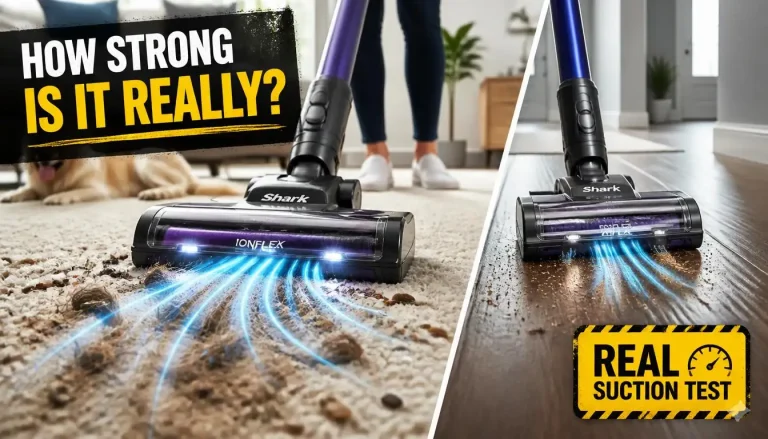 Shark IonFlex Suction Power: How Strong Is It Really?
If you are wondering how much suction does the shark ionflex cordless vacuum have, the answer depends entirely on which power mode you select. In standard…
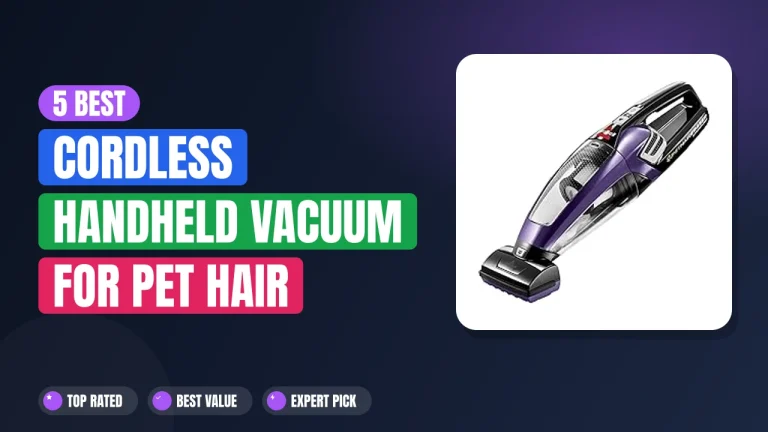 5 Best Cordless Handheld Vacuum for Pet Hair 2026
Every dog owner knows the battle of fur on furniture and car seats. Finding the right best cordless handheld vacuum for pet hair comes down to…
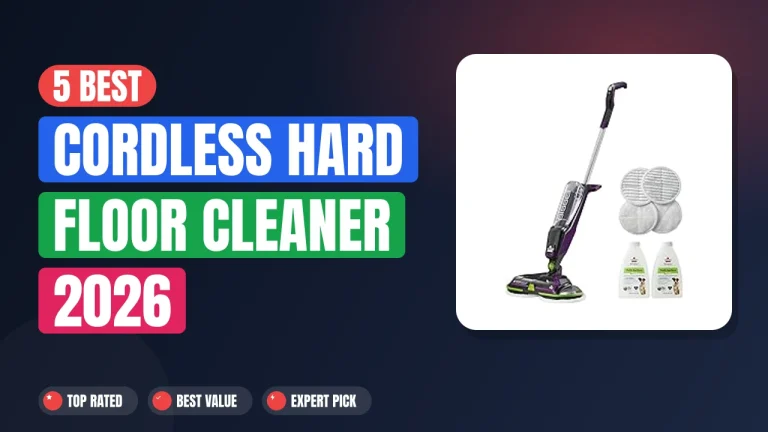 5 Best Cordless Hard Floor Cleaner 2026
Keeping hard floors clean without the hassle of cords is something many homeowners now expect from their daily routine. A best cordless hard floor cleaner…