
The Ultimate Cordless Vacuum Guide 2026: Finding the Perfect Match for Your Home
Imagine a world where cleaning floors is no longer a chore tethered to a wall outlet, filled with the cacophony of a roaring motor and the frustrating dance of wrapping cords. That world is here, powered by the modern cordless vacuum. These sleek, powerful machines have evolved from niche gadgets to essential household tools, promising unparalleled convenience and surprisingly deep cleaning power. But with dozens of models boasting an alphabet soup of specs—voltages, air watts, runtimes, and smart features—choosing the best one can feel overwhelming.
This guide cuts through the marketing noise to deliver a clear, comprehensive breakdown of what truly matters in a cordless vacuum in 2026. You will learn how to decode technical specifications, match machine capabilities to your specific home and lifestyle, and understand the real-world trade-offs between different brands and models. By the end, you’ll be equipped with the knowledge to invest confidently in a tool that will make maintaining a clean home simpler and faster than ever before.
Beyond the Hype: Core Performance Metrics Explained
When evaluating cordless vacuums, it’s crucial to look past flashy claims and focus on three fundamental performance metrics: suction power, battery life, and filtration. Suction power is often listed in "air watts" (AW) or Pascals (Pa). While higher numbers generally indicate stronger suction, they don't tell the whole story. A vacuum with 150 AW and a well-designed, sealed airflow path can outperform a poorly designed 200 AW model. Look for consistent power, not just peak power, which some models only deliver for a few seconds in a special "boost" mode.
Battery life is another critical factor, but always check the fine print. A manufacturer may claim "60 minutes of runtime," but that’s typically on the lowest power setting, suitable only for hard floors. On the higher suction settings needed for carpets, runtime can drop to 10-15 minutes. For a typical multi-room clean, a vacuum that offers 25-40 minutes of real-world use on a medium setting is a practical target. Also, consider battery interchangeability; some systems allow you to hot-swap a spare battery, effectively doubling your cleaning time.
Finally, filtration determines what gets trapped inside the vacuum and what gets blown back into your air. A High-Efficiency Particulate Air (HEPA) filter is the gold standard, capable of capturing 99.97% of particles as small as 0.3 microns, including pollen, dust mites, and pet dander. This is non-negotiable for allergy and asthma sufferers. Ensure the entire system is sealed, meaning no air bypasses the filter. A washable filter is a valuable bonus, saving you money on replacements over the life of the vacuum.
Matching the Vacuum to Your Home and Lifestyle
The "best" cordless vacuum is entirely subjective and depends on your living space and daily life. For apartment dwellers or those with mostly hard floors and low-pile rugs, a lightweight stick vacuum with a soft roller brush is ideal. This brush, often made of anti-static microfiber or fluffy material, is exceptional at picking up large debris and fine dust from hard surfaces without scattering it. It’s also gentler on delicate floors. Your primary needs here are maneuverability, quiet operation, and easy storage, with raw suction power being slightly less critical.
For homes with a mix of carpets and hard floors, or for pet owners, you need a more versatile machine. Look for a model that includes a motorized brush roll. This rotating brush agitates carpet fibers to pull out embedded dirt and pet hair. The best models have an auto-adjusting head that senses floor type and raises or lowers the brush accordingly. Pet owners should prioritize models with specialized pet hair tools, like a mini motorized brush, which is indispensable for upholstery and stairs. Strong, consistent suction and a tangle-resistant brush roll are key features.
If you live in a large home, battery ecosystem and weight become paramount. A single battery charge likely won’t cover your entire space. Therefore, prioritize brands that offer a spare battery (sometimes included, sometimes sold separately) and a fast charger. Also, consider the vacuum’s weight distribution; a well-balanced model will feel much lighter in your hand, reducing arm fatigue during extended cleaning sessions. For multi-story homes, a model with a docking station that can be wall-mounted at a convenient location on each floor is a game-changer.
The Form Factor: Stick, Handheld, and Convertible Systems
The 2026 Landscape: Smart Features and Innovations
Cordless vacuum technology has moved beyond basic suction. In 2026, smart features are becoming standard on mid-to-high-end models, enhancing both effectiveness and user experience. The most impactful innovation is automatic suction adjustment. Using optical or acoustic sensors in the cleaner head, these vacuums detect the amount and type of debris on the floor and instantly increase or decrease suction power. This optimizes cleaning performance while conserving battery life, as the vacuum only uses maximum power when it’s truly needed.
Another significant advancement is in dustbin emptying and hygiene. The "hands-free" or "self-emptying" base, once exclusive to robot vacuums, is now available for some cordless stick models. When you dock the vacuum, the base automatically sucks the contents of the dustbin into a larger, sealed bag in the base, which you might only need to change once a month. is a major benefit for those sensitive to dust. For models without this, look for a "bagless" bin that is easy to detach and clean without requiring you to touch the debris.
Connectivity and maintenance alerts are also on the rise. Companion smartphone apps can now track cleaning history, display remaining battery life, provide filter replacement reminders, and offer troubleshooting guides. Some even use the vacuum’s sensors to generate a "cleanliness map" of your floors. While not essential, these features add a layer of convenience and help maintain the vacuum’s peak performance over its lifespan, ensuring you get the most out of your investment.
Practical Considerations: Cost, Maintenance, and Longevity
The upfront cost of a cordless vacuum is just one part of the financial equation. Premium models from established brands can cost significantly more, but they often come with better build quality, more consistent performance, and a stronger warranty. Budget models can be surprisingly capable for light-duty tasks but may have shorter battery lifespans, less durable construction, and weaker customer support. Think of your purchase as a 5-7 year investment; spending a bit more upfront often leads to lower long-term cost and frustration.
Ongoing maintenance is the key to longevity and sustained performance. This primarily involves regularly emptying the dustbin (before it’s completely full to maintain suction), cleaning the filters as recommended (usually rinsing them monthly), and clearing any hair or string wrapped around the brush roll. Neglecting these simple tasks is the fastest way to kill your vacuum’s power and battery life. Purchase a model with washable, reusable filters to avoid recurring costs, and check how easy it is to access and clean the brush roll—some require a tool, while others have a quick-release mechanism.
Finally, consider the ecosystem and parts availability. Will you be able to easily purchase a replacement battery in three years? Are additional tools and accessories readily available? A brand with a strong market presence is more likely to support its products long-term. Read reviews focusing on durability over time, not just unboxing impressions. A vacuum that feels great on day one but suffers from broken clips, cracked bins, or rapidly degrading batteries in year two is not a good value, regardless of its initial price tag.
Key Takeaways
- ✓ The best cordless vacuum depends on your home: prioritize lightweight stick models for hard floors, motorized brushes for carpets, and battery ecosystems for large spaces.
- ✓ Always check real-world battery runtime, not just the maximum claim, and ensure the vacuum has a sealed HEPA filtration system for allergen control.
- ✓ Consider a convertible system for ultimate flexibility, using one motor for stick, handheld, and specialized cleaning tasks.
- ✓ Smart features like automatic suction adjustment and hygienic, hands-free emptying bases are becoming valuable, user-friendly innovations.
- ✓ Long-term value trumps low upfront cost; factor in maintenance ease, build quality, and parts availability for a purchase that will last for years.
Frequently Asked Questions
How long do cordless vacuum batteries typically last before needing replacement?
The battery itself, as a consumable part, typically retains good capacity for 2-4 years with regular use, depending on charging habits. The vacuum's overall lifespan can be 5-7 years or more. To extend battery life, avoid leaving the vacuum on the charger constantly, let it cool down before recharging, and store it in a moderate temperature. Most reputable brands sell replacement batteries, which can breathe new life into an older model.
Can a cordless vacuum truly replace a traditional upright or canister vacuum?
For most households and routine cleaning, yes, a high-performance cordless vacuum can completely replace a corded machine. They excel at daily and weekly cleans. However, for deep cleaning very thick, high-pile carpets, or for cleaning an entire large home in one go without battery concerns, a powerful corded upright may still have an edge. Many homes now use a cordless as the primary vacuum and keep a corded one for occasional deep cleans.
Are cordless vacuums powerful enough for pet hair?
Absolutely. Many 2026 models are specifically engineered for pet hair. The key is to look for a combination of strong suction, a motorized brush roll with anti-tangle technology (like bristles that prevent hair from wrapping), and specialized tools like a mini motorized pet tool. These features work together to pull hair from both carpets and upholstery efficiently.
What is the main drawback of cordless vacuums?
The primary trade-off is runtime and, to a lesser extent, sustained peak power. Even with advancements, you are limited by battery capacity. Cleaning a large, heavily soiled area may require a mid-clean recharge or a battery swap. While suction is now very powerful, the highest "boost" modes often drain the battery in just minutes. Planning your cleaning route and using the appropriate power setting for each surface mitigates this issue.
Is it worth paying extra for a model with a self-emptying base?
For allergy sufferers, busy households, or anyone who dislikes the dusty chore of emptying a bin, it can be a worthwhile premium. It adds significant convenience and improves hygiene by fully sealing the dust away. However, it does add to the initial cost and requires space for the bulkier docking station. Evaluate it as a luxury convenience feature that enhances an already good vacuum, not as a core performance necessity.
Conclusion
Choosing the best cordless vacuum in 2026 is less about finding a single "winner" and more about making an informed match between advanced technology and your unique domestic needs. By understanding the core metrics of suction, battery, and filtration, and honestly assessing your home's flooring, layout, and the specific messes you face, you can narrow the field dramatically. Innovations in smart sensing, hygienic emptying, and modular design offer tangible benefits that can transform cleaning from a task into a seamless part of your routine.
Your next step is to take this knowledge and apply it. Read in-depth reviews of models that fit your criteria, paying special attention to long-term durability reports. If possible, visit a retailer to feel the weight and balance of a shortlisted model in your hand. Remember, a cordless vacuum is a personal tool; the right one will feel intuitive and make you more inclined to maintain a clean home. Invest the time in research now, and you’ll enjoy the dividends of convenience and cleanliness for years to come.

Liam Parker covers robot vacuums, cordless vacuums, and smart home cleaning technology, focusing on practical comparisons, features, performance, and buying advice.
Related posts
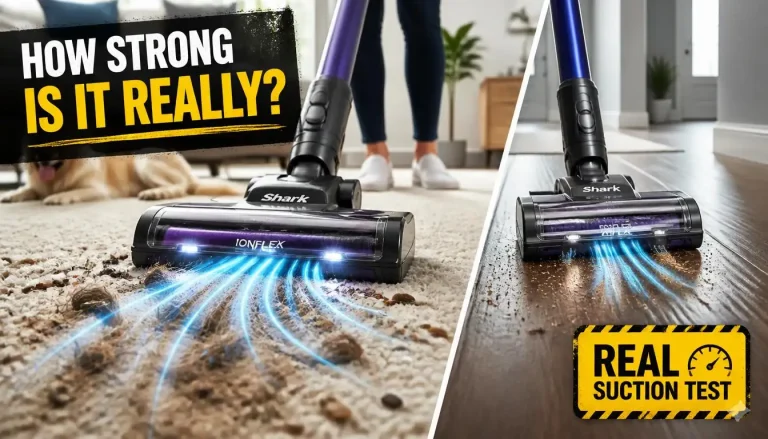 Shark IonFlex Suction Power: How Strong Is It Really?
If you are wondering how much suction does the shark ionflex cordless vacuum have, the answer depends entirely on which power mode you select. In standard…
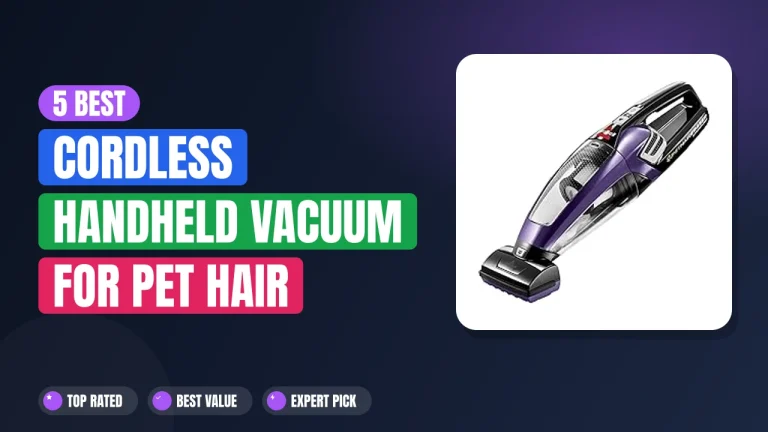 5 Best Cordless Handheld Vacuum for Pet Hair 2026
Every dog owner knows the battle of fur on furniture and car seats. Finding the right best cordless handheld vacuum for pet hair comes down to…
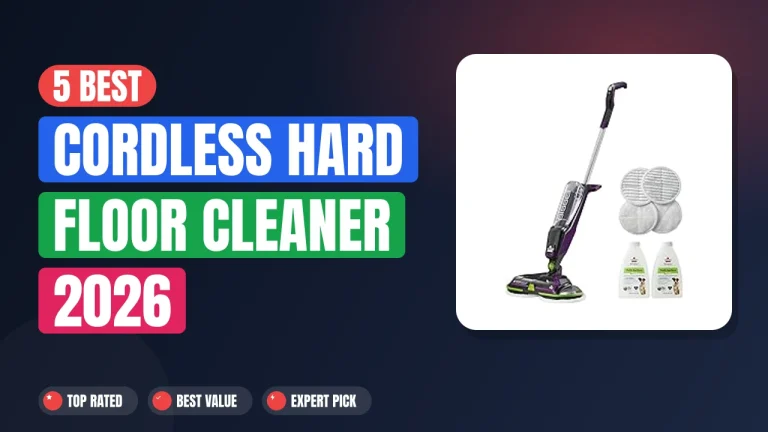 5 Best Cordless Hard Floor Cleaner 2026
Keeping hard floors clean without the hassle of cords is something many homeowners now expect from their daily routine. A best cordless hard floor cleaner…