
The Ultimate Cordless Vacuum Guide 2026: How to Choose the Best Model for Your Home
Imagine gliding effortlessly from hardwood floors to plush carpets, banishing dust bunnies from under the sofa and crumbs from the kitchen nook, all without the frustrating tether of a power cord. The cordless vacuum has evolved from a niche gadget to a household essential, revolutionizing how we approach daily cleaning. The freedom and convenience they offer are undeniable, but with dozens of models boasting varying features, suction power, and price tags, choosing the best one can feel overwhelming. This guide is designed to cut through the marketing noise and provide you with the knowledge to make an informed decision.
This topic matters because a cordless vacuum is a significant investment in your home's cleanliness and your personal time. The right model can make quick cleanups a joy rather than a chore, while the wrong one can lead to frustration with poor battery life, weak suction, or an awkward design. In this comprehensive article, you will learn the critical factors that separate a mediocre stick vacuum from a powerhouse performer. We will dissect the key specifications, explore different home-use scenarios, and provide actionable advice to help you identify the perfect cordless vacuum that aligns with your specific needs, lifestyle, and budget in 2026.
The Core Trinity: Suction, Battery, and Filtration
When evaluating any cordless vacuum, three fundamental pillars determine its core performance: suction power, battery life, and filtration system. Suction, often measured in Air Watts (AW) or Pascals (Pa), is the engine of the vacuum. In 2026, look for models that maintain strong, consistent suction even as the dustbin fills, thanks to advanced digital motors and aerodynamic engineering. Do not be swayed by "peak" suction numbers alone; instead, seek out reviews and tests that measure sustained power on different surfaces. A vacuum with 150 AW of consistent suction is often more effective than one that peaks at 200 AW but drops off quickly under load. The best models now feature intelligent suction adjustment that automatically increases power on carpets and decreases it on hard floors to preserve battery.
Battery technology has seen steady improvements, with lithium-ion packs remaining the standard. Runtime is crucial, but the metric to focus on is "runtime at maximum power." Many brands advertise a 60-minute runtime, but that is often on a low power setting. A more practical figure is the 10-15 minutes of max power you might use for a full-house clean. Look for models with removable batteries, allowing you to purchase a spare for uninterrupted cleaning in larger homes. Fast charging, now common, can bring a depleted battery to 50% in under 30 minutes. Some premium 2026 models also feature pass-through charging, where the vacuum can be used while plugged in if the battery is completely dead, a true lifesaver mid-clean.
The filtration system is your first line of defense for indoor air quality. A high-quality HEPA (High-Efficiency Particulate Air) filter is essential, especially for allergy sufferers, as it can trap 99.97% of particles as small as 0.3 microns, including pollen, pet dander, and dust mites. The best systems are completely sealed, meaning no air bypasses the filter, ensuring all captured dust and allergens remain trapped inside the bin. When evaluating, check if the filters are washable and reusable, as this saves on long-term maintenance costs. A good indicator is a transparent dustbin; if you see a cloud of dust puff out when you empty it, the filtration seal is likely inadequate.
Design and Usability: The Human-Vacuum Interface
A vacuum can have impressive specs on paper, but if it is a pain to use, it will gather dust in the closet. Design and usability encompass weight, balance, maneuverability, and emptying mechanics. The ideal cordless vacuum feels like an extension of your arm. Weight distribution is more important than total weight; a well-balanced 7-pound vacuum can feel lighter and more agile than a top-heavy 5-pound model. Look for a low center of gravity, with the motor and battery positioned near the handle. This design makes it easier to clean under furniture and reduces wrist strain. The swivel head is a non-negotiable feature for navigating around table legs and through tight spaces without constant stopping and repositioning.
The attachment ecosystem is what transforms a stick vacuum into a whole-home cleaning system. At minimum, a combination crevice tool and dusting brush is standard. For comprehensive cleaning, seek out specialized attachments like a motorized mini turbo brush for upholstery and stairs, a soft roller brush for hard floors that won't scatter debris, and a flexible crevice tool for car interiors. The ease of switching attachments is also key; magnetic or quick-click connectors are far superior to fiddly screw-on types. Storage is another practical consideration. A wall-mounted docking station that charges the vacuum and holds attachments is the gold standard, keeping everything organized and ready to go.
Emptying the dustbin should be a hygienic, hands-off experience. The best models in 2026 feature hands-free, bagless emptying systems where you simply hold the bin over your trash can and press a lever. The mechanism should eject the contents cleanly without requiring you to touch the debris. Some high-end models even feature self-emptying bases that automatically transfer dirt from the vacuum to a larger, sealed bag when docked. Also, examine the bin capacity; a 0.5 to 0.8-liter bin is typical. For larger homes or pet owners, a larger bin means fewer trips to the trash can during a cleaning session, but it also adds weight.
Matching the Vacuum to Your Home and Lifestyle
Your living environment is the most important factor in choosing the right cordless vacuum. A studio apartment dweller has vastly different needs than a family with pets in a multi-story house. For homes with mostly hard floors (tile, hardwood, laminate), prioritize a vacuum with a soft roller brush or a dedicated hard floor setting. This brush is designed to capture large debris and fine dust without scratching surfaces or creating a scattering effect. The suction power can often be lower on hard floors, so battery life may be your primary concern. For homes with a mix of carpets and hard floors, you need a versatile performer. Look for a model with an auto-detecting brush roll that adjusts suction and brush speed based on the surface. A motorized brush roll with stiff bristles is essential for digging dirt out of carpet fibers.
Pet owners constitute a major user group with specific demands. Pet hair has a tendency to wrap around brush rolls and cling to upholstery. The best cordless vacuums for pet hair feature tangle-free brush rolls, often with anti-hair wrap technology that uses grooves or special bristle patterns to prevent hair from winding tightly. Powerful suction is non-negotiable to pull hair from deep within carpets. The included attachments are critical; a motorized mini turbo brush for sofas and pet beds is arguably more important than the main floor head. For allergy-prone households, the sealed HEPA filtration system mentioned earlier is absolutely mandatory to prevent recirculating dander.
Consider your cleaning style. If you are a "clean as you go" person who does frequent, short bursts of cleaning, a lightweight model with a quick charge feature might be perfect. If you prefer a weekly deep clean of your entire home, maximum power runtime and a larger dustbin are paramount. For multi-story homes, the convenience of a cordless vacuum is its greatest asset, but ensure the battery life is sufficient to clean at least one full floor on a single charge, or that you have the option for a spare, swappable battery. Do not forget storage; if you lack wall space for a dock, a model that can stand on its own or be stored in a closet is necessary.
Navigating the Market: Brands, Price Tiers, and Smart Features
The cordless vacuum market in 2026 is segmented into distinct tiers, each with leading brands and value propositions. At the premium end, brands like Dyson, Miele, and LG dominate with cutting-edge technology, superior build quality, and comprehensive ecosystems. These models often feature the most powerful digital motors, sophisticated filtration, and innovative attachments. You are paying for peak performance, durability, and often, a better warranty. The mid-range tier, featuring brands like Shark, Tineco, and Samsung, offers exceptional value. These vacuums frequently deliver 80-90% of the performance of their premium counterparts at a significantly lower price. This is where you often find the best balance of features, power, and cost.
The budget tier has improved dramatically, with brands like Eufy, Wyze, and Black+Decker offering capable entry-level models. While they may lack the raw suction power, battery optimization, or premium feel of higher-priced options, they are perfectly adequate for small apartments or light cleaning duties. When setting your budget, factor in the long-term cost of replacement filters and batteries. slightly more expensive model with washable filters and a user-replaceable battery may have a lower total cost of ownership than a cheaper model with proprietary, expensive consumables.
Smart features are becoming more integrated. Many vacuums now connect to smartphone apps via Bluetooth or Wi-Fi. These apps can provide useful data like battery status, filter replacement reminders, and usage history. Some high-end models even offer performance customization through the app, allowing you to fine-tune suction power for different rooms. While these features are nice-to-have, they should not be the primary deciding factor. A vacuum with excellent core performance and poor app integration is far better than a mediocre vacuum with a great app. Laser dust detection, which reveals invisible particles on hard floors, is a genuinely useful smart feature that has trickled down from premium to mid-range models.
The Decision Framework and Final Checklist
Armed with knowledge, it is time to create a personal decision framework. Start by listing your non-negotiable needs: "Must handle pet hair," "Must run for 30 minutes on max," "Must have a washable HEPA filter." Then, list your nice-to-have wants: "Self-emptying base," "Laser dust detection," "Magnetic tool attachments." Allocate your budget based on your needs list first. Next, read professional reviews from reputable sources that conduct standardized tests on suction, battery, and noise. Pay close attention to long-term reliability reports and customer service experiences for your shortlisted brands. User reviews on retail sites can highlight common pain points not caught in initial professional tests.
Before you click "buy," run through this final checklist. For performance: Does it have strong, sustained suction verified by tests? Does the battery life at max power suit your home's size? Is the filtration sealed HEPA? For usability: Is it well-balanced and easy to maneuver? Does it have a swivel head and a quick-release wand for above-floor cleaning? Is the dustbin easy to empty hygienically? For your specific situation: Are the attachments right for your floors (hard floor roller, anti-hair wrap brush)? Does the warranty cover at least 2 years on the motor and battery? Are replacement parts (filters, batteries, brush rolls) readily available and reasonably priced?
Finally, if possible, try before you buy. Visit a retail store to feel the weight and balance in your hand. Test the trigger mechanism; is it comfortable to hold down? See how easily the attachments click on and off. This hands-on test can instantly rule out a model that looks great on paper but feels wrong in practice. Remember, the best cordless vacuum is not the one with the highest specs, but the one that you will actually use consistently because it makes cleaning simpler, faster, and more effective for your unique home.
Key Takeaways
- ✓ Evaluate the core trinity of suction (sustained power), battery (runtime at max), and filtration (sealed HEPA) as the foundation of performance.
- ✓ Prioritize design elements that enhance daily use: good weight balance, a swivel head, hygienic dustbin emptying, and a useful set of attachments.
- ✓ Match the vacuum to your specific environment, giving extra consideration to pet hair tools, floor types, home size, and your personal cleaning habits.
- ✓ Understand the market tiers; premium brands offer peak tech, mid-range offers the best value, and budget models are suitable for light, small-space duty.
- ✓ Use a needs-based decision framework, consult professional and long-term user reviews, and try to test the ergonomics in person before purchasing.
Frequently Asked Questions
How long do cordless vacuum batteries typically last before needing replacement?
The battery itself, as a consumable component, typically lasts between 2 to 5 years depending on usage and charging habits. Most lithium-ion batteries are rated for 300-500 full charge cycles before their capacity significantly degrades. Using the vacuum regularly and avoiding constantly draining it to 0% can prolong battery life. The key advantage in 2026 is that many models feature user-replaceable batteries, allowing you to easily swap in a new one without replacing the entire vacuum, much like a power tool.
Can a cordless vacuum truly replace an upright or canister vacuum?
For most daily and weekly cleaning tasks, a high-performance cordless vacuum is a complete replacement. Their convenience and effectiveness on both floors and above-floor surfaces are unmatched. However, for deep, whole-house carpet cleaning or if you have very high-pile carpets, a full-sized upright with a more powerful motor and larger dustbin may still have an edge for a periodic deep clean. For many households, the cordless is the primary vacuum, with a traditional vacuum kept for occasional supplemental use.
Are cordless vacuums with two batteries worth the extra cost?
For homes over 2,000 square feet or with multiple floors, a second battery is often essential and worth the investment. It effectively doubles your cleaning runtime without waiting for a recharge. When comparing models, check the cost of an additional battery. Sometimes, buying a kit that includes two batteries is more economical than purchasing a spare later. It transforms the experience from one of battery anxiety to one of unlimited cleaning potential.
How important is the warranty, and what should I look for?
A strong warranty is a sign of the manufacturer's confidence in their product. Look for a minimum of a -year comprehensive warranty. Pay special attention to the coverage for the motor and the battery, as these are the most expensive components to repair. Some brands offer longer warranties (5+ years) on the digital motor. Always register your product and keep your receipt. Understand the difference between a warranty that provides in-home service versus one that requires you to ship the vacuum for repair.
What is the biggest mistake people make when buying a cordless vacuum?
The most common mistake is over-prioritizing peak suction power (often a marketing number) while ignoring real-world factors like battery life, weight, balance, and ease of emptying. People buy a vacuum that is technically powerful but so heavy or awkward that they dread using it. Another mistake is not considering their specific floor types; buying a vacuum optimized for carpets when you have all hard floors, or vice versa, leads to poor performance. Always consider the complete user experience, not just a single spec.
Conclusion
Choosing the best cordless vacuum in 2026 is a nuanced decision that blends technical specifications with personal lifestyle needs. We have explored the critical pillars of suction, battery, and filtration that form the foundation of any good model. We have emphasized that brilliant design and usability are what transform a tool from a chore into a seamless part of your cleaning routine. By carefully considering your home environment, whether dominated by pets, carpets, or hard floors, you can match the vacuum's strengths to your challenges. Navigating the market tiers and smart features with a discerning eye allows you to find true value, whether your budget is modest or unlimited.
Ultimately, the goal is to invest in a machine that empowers you to maintain a cleaner home with less effort. Use the decision framework and final checklist provided to methodically evaluate your options. Read reviews, watch tests, and if possible, feel the ergonomics for yourself. The right cordless vacuum is out there, waiting to grant you the freedom of cordless cleaning without compromise. Take the next step: define your needs, set your budget, and start your search for the perfect partner in home cleanliness. Your floors—and your future self—will thank you.

Liam Parker covers robot vacuums, cordless vacuums, and smart home cleaning technology, focusing on practical comparisons, features, performance, and buying advice.
Related posts
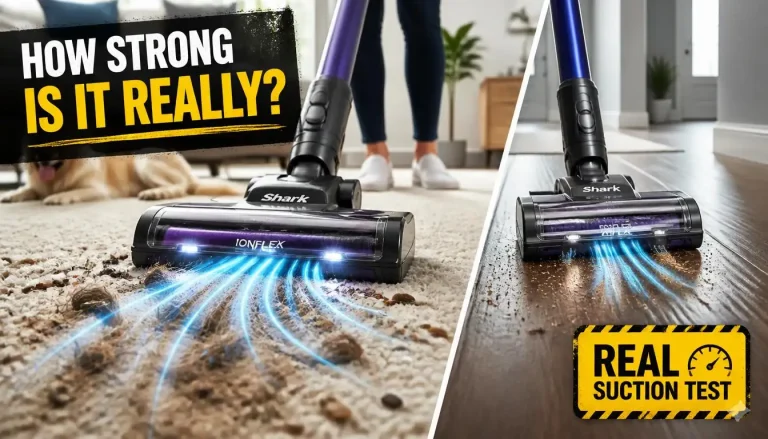 Shark IonFlex Suction Power: How Strong Is It Really?
If you are wondering how much suction does the shark ionflex cordless vacuum have, the answer depends entirely on which power mode you select. In standard…
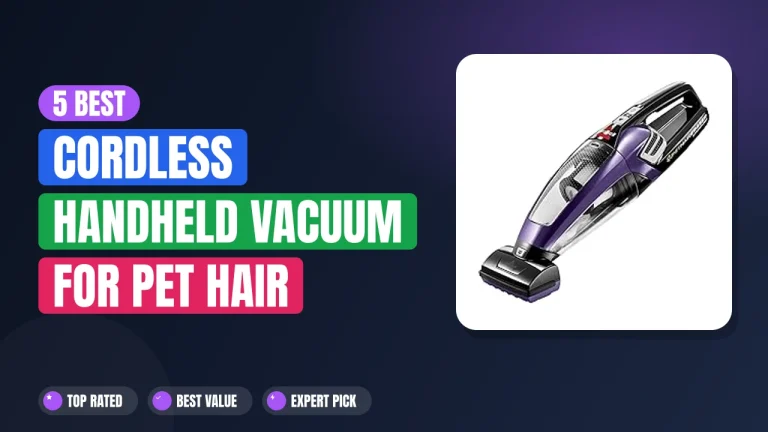 5 Best Cordless Handheld Vacuum for Pet Hair 2026
Every dog owner knows the battle of fur on furniture and car seats. Finding the right best cordless handheld vacuum for pet hair comes down to…
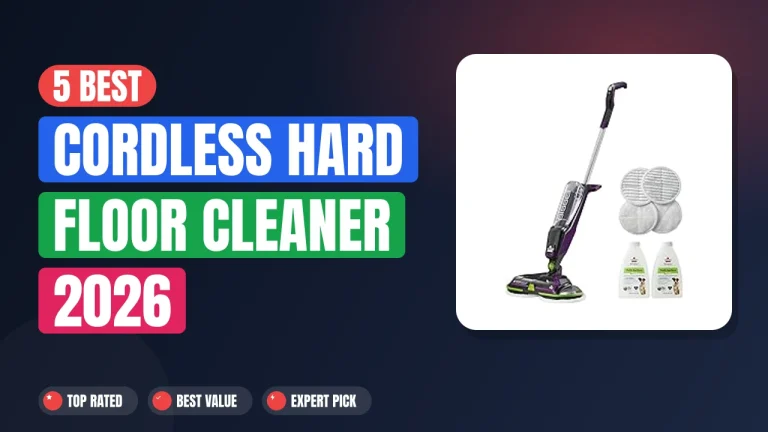 5 Best Cordless Hard Floor Cleaner 2026
Keeping hard floors clean without the hassle of cords is something many homeowners now expect from their daily routine. A best cordless hard floor cleaner…