
The Ultimate Cordless Vacuum Guide: What Makes a Good One in 2026
Imagine a vacuum that follows you effortlessly from room to room, tackles a kitchen spill in seconds, and disappears into a closet without a bulky cord. This is the promise of the modern cordless vacuum, a device that has evolved from a niche gadget to a household essential. The market, however, is flooded with options, making the choice overwhelming. What truly separates a great cordless vacuum from a mediocre one?
This guide cuts through the marketing jargon to explain the core features and performance metrics that define a good cordless vacuum in 2026. You will learn how to evaluate battery life, suction power, filtration, and design for your specific home and needs. We will explore the latest technological advancements and provide a clear framework to help you invest in a machine that delivers genuine cleaning freedom, not just cordless convenience.
The Power Core: Battery and Runtime
The battery is the heart of any cordless vacuum, dictating its freedom and utility. A good cordless vacuum in 2026 no longer struggles with the 10-minute runtime of early models. Instead, look for models featuring advanced lithium-ion battery packs, with many premium options offering 60 minutes or more of continuous use on a single charge. The key metric is "runtime on standard mode," as manufacturers often quote a maximum runtime using the lowest power setting, which is impractical for most cleaning. A vacuum offering 30-45 minutes of real-world cleaning on its standard or auto mode is a solid benchmark for cleaning a multi-room apartment or a single-story home.
Beyond total runtime, consider the charging system. Fast-charging technology, where a battery reaches 80% capacity in under an hour, is now a standard expectation for a good model. Some systems offer interchangeable, hot-swappable batteries. This is a game-changer for larger homes, as you can simply pop in a fresh battery and continue cleaning without a multi-hour wait. For example, a vacuum with two 25-minute batteries effectively provides 50 minutes of continuous cleaning if you don't mind the brief pause to swap.
Practical advice is to honestly assess your cleaning style. If you do quick daily pick-ups, a 20-minute runtime may suffice. For weekly whole-home cleans, prioritize 40 minutes or more, or a system with spare batteries. Also, check the battery's placement; a well-balanced vacuum often has the battery integrated into the handle to improve maneuverability and reduce wrist strain compared to models with a bulky battery mounted on the stick.
Suction and Airflow: The Engine of Clean
Design and Ergonomics: The User Experience
A powerful motor is useless if the vacuum is a chore to use. Excellent ergonomics are a hallmark of a good cordless vacuum. Weight and balance are paramount; the best models feel like an extension of your arm. An ideal weight is under 6.5 pounds for the main stick body, with the center of gravity near the handle to make overhead cleaning and under-furniture maneuvering easy. The vacuum should stand upright on its own for quick pauses, a feature often overlooked until you need to answer the door mid-clean.
Versatility in design is another key factor. A good cordless vacuum is a complete cleaning system. It should convert easily into a handheld unit for cleaning cars, stairs, and upholstery. The attachments should lock securely and include a motorized brush roll for pet hair on furniture, a crevice tool, and a soft dusting brush. The docking station is also part of the design; a wall-mounted charger that stores attachments neatly encourages regular use and ensures the vacuum is always ready.
Consider maintenance as part of the design. A good vacuum has intuitive, tool-free emptying mechanisms. A hygienic dirt ejector that seals and dumps debris without you having to touch it is now a standard expectation on premium models. Similarly, filters should be easy to remove, wash, and dry. A poorly designed vacuum with complicated, messy emptying will languish in the closet, no matter its suction power.
Filtration and Hygiene: Breathing Easy
In 2026, a good cordless vacuum doesn't just remove visible dirt; it improves your home's air quality. Filtration technology has become a primary differentiator. As mentioned, a fully sealed HEPA system is the gold standard, ensuring that captured allergens are not recirculated. Some advanced models now feature multi-stage filtration with pre-motor cyclones to capture larger debris and post-motor HEPA filters to trap the finest particles, protecting both your air and the vacuum's motor.
The hygiene of the emptying process is directly tied to filtration. The best innovation in recent years is the self-emptying base or bagless systems with sealed dirt compartments. For bagless models, look for a "clean release" or "zero-mess" bin that compresses and ejects debris directly into the trash with minimal dust cloud. This is a critical feature for allergy and asthma sufferers, as it prevents a plume of dust when you empty the container. Some high-end models even automatically empty their small onboard dustbin into a larger, sealed base station, which you only need to empty monthly.
Key takeaways for filtration are to prioritize sealed HEPA systems over marketing claims of "HEPA-like" filters. Check if filters are washable and how often they need replacement, as this is an ongoing cost. A good vacuum makes maintaining clean filters simple, because a clogged filter will cripple suction and airflow, rendering even the most powerful motor ineffective.
Smart Features and Ecosystem Considerations
The cordless vacuum of 2026 is often a smart device. Useful smart features can enhance the experience, but they should complement core performance, not compensate for it. A helpful feature is an LCD screen or LED indicators that clearly show remaining battery life, power mode, and maintenance alerts (like a clog or full bin). Some models even integrate sensors that automatically increase suction on carpets, optimizing battery life and performance without user input.
Consider the vacuum's place within a brand's ecosystem. If you already own other smart home devices or robotic vacuums from a particular brand, a cordless vacuum from the same family might share batteries, chargers, or integrate via an app for scheduling and maintenance tracking. However, avoid being locked into an ecosystem if the core vacuum performance is lacking. The app should provide tangible value, like tracking cleaning history or guiding you through filter cleaning, rather than being a gimmick.
When wrapping up your evaluation, view smart features as the icing on the cake. A vacuum with mediocre suction but a brilliant app is a poor investment. First, ensure the fundamentals—battery, suction, ergonomics, and filtration—are excellent. Then, smart features like automatic mode switching, detailed performance reports, or voice control via Alexa or Google Assistant can provide a truly premium and convenient cleaning experience.
Key Takeaways
- ✓ Prioritize real-world battery runtime of 30+ minutes on standard mode and features like fast-charging or swappable batteries for larger homes.
- ✓ Seek strong, sustained suction (100-200 AW) within a fully sealed HEPA system to ensure deep cleaning and improved air quality.
- ✓ Choose an ergonomic design under 6.5 lbs with a balanced feel, standalone capability, and easy conversion to a handheld for full home versatility.
- ✓ Demand hygienic, hands-free emptying systems and washable filters to make maintenance simple and allergen-free.
- ✓ Treat smart features and ecosystem integration as valuable bonuses, but never as substitutes for core performance and durability.
Frequently Asked Questions
How long should a cordless vacuum battery last before needing replacement?
The battery itself, with regular use, typically retains good capacity for 2-3 years. A sign it's failing is a significant drop in runtime. Many premium brands sell replacement batteries, and models with user-replaceable batteries extend the vacuum's overall lifespan considerably. Proper care, like not constantly draining it to zero and storing it in a cool place, can help prolong battery health.
Can a good cordless vacuum truly replace an upright corded vacuum?
For most households and cleaning routines in 2026, yes. High-end cordless models now rival the suction of many mid-range corded uprights. Their convenience for daily and quick cleaning is unmatched. However, for deep cleaning very large homes with extensive high-pile carpeting, a powerful corded vacuum used occasionally may still have an edge for maximum sustained power over long periods.
Are cordless vacuums good for pet hair?
Absolutely, but you must choose the right model. Look for a vacuum with a motorized mini turbo brush attachment for furniture and one with an anti-tangle brush roll on the main floor head. Strong suction and a sealed system are also crucial to pull embedded hair and contain dander. Many models are now specifically engineered and marketed as "pet hair" champions.
What is the biggest mistake people make when buying a cordless vacuum?
They focus solely on peak suction power (like high Pascal numbers) and ignore runtime, ergonomics, and filtration. A vacuum with incredible 5-minute suction is useless if it dies before you finish the living room. Similarly, a heavy, poorly balanced vacuum will be left unused. Always consider the complete cleaning experience.
How important is the warranty, and what should I look for?
Very important. It's a sign of the manufacturer's confidence in their product. Look for a minimum of a 2-year warranty. Pay close attention to what's covered: the motor, battery, and parts. Some brands offer separate warranties for the battery (often 1 year) and the main unit (2 years). A longer, comprehensive warranty is a hallmark of a quality investment.
Conclusion
Choosing a good cordless vacuum in 2026 requires looking beyond flashy advertisements and understanding the synergy between its core components. A truly excellent model delivers a balance of sufficient battery life for your space, strong and consistent suction powered by an efficient motor, a thoughtful and ergonomic design that makes cleaning less of a chore, and advanced filtration that protects your home's air. When these elements come together, the cordless vacuum becomes an indispensable tool that simplifies home maintenance.
Armed with this knowledge, your next step is to assess your specific needs: your home's square footage, primary floor types, presence of pets or allergies, and your typical cleaning habits. Use this framework to compare models, seek out detailed professional and user reviews, and invest in a vacuum that promises not just freedom from a cord, but genuine freedom from dirt and dust. Your future self, enjoying a quick and effective clean, will thank you.

Liam Parker covers robot vacuums, cordless vacuums, and smart home cleaning technology, focusing on practical comparisons, features, performance, and buying advice.
Related posts
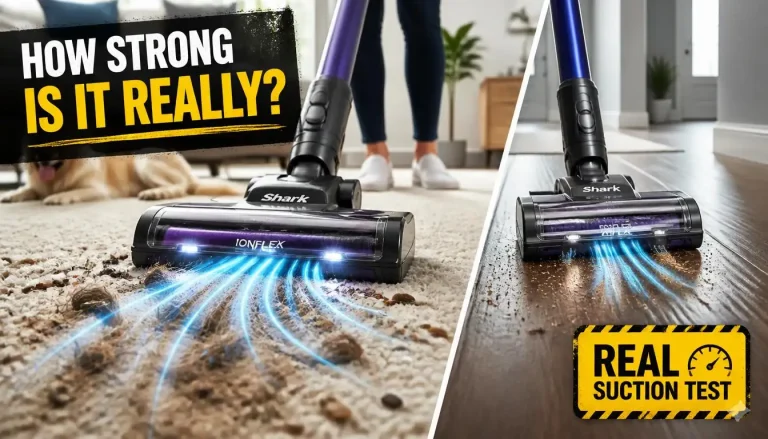 Shark IonFlex Suction Power: How Strong Is It Really?
If you are wondering how much suction does the shark ionflex cordless vacuum have, the answer depends entirely on which power mode you select. In standard…
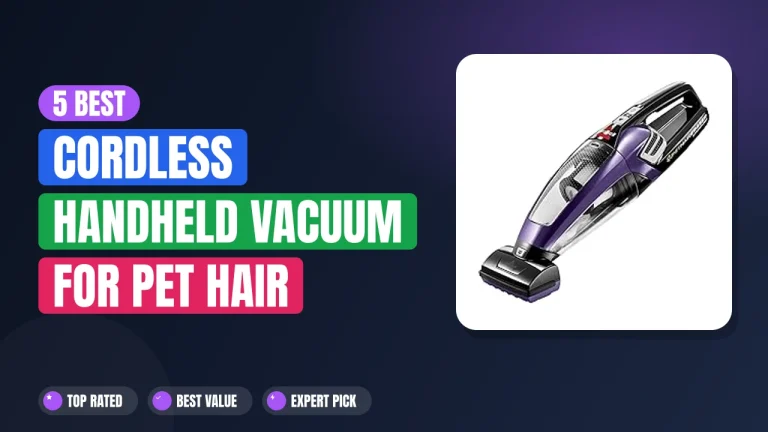 5 Best Cordless Handheld Vacuum for Pet Hair 2026
Every dog owner knows the battle of fur on furniture and car seats. Finding the right best cordless handheld vacuum for pet hair comes down to…
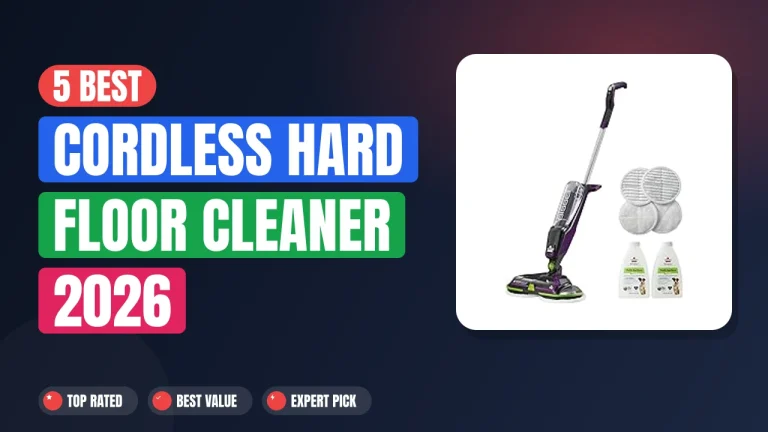 5 Best Cordless Hard Floor Cleaner 2026
Keeping hard floors clean without the hassle of cords is something many homeowners now expect from their daily routine. A best cordless hard floor cleaner…