
How Many Amps Should a Good Cordless Vacuum Have?
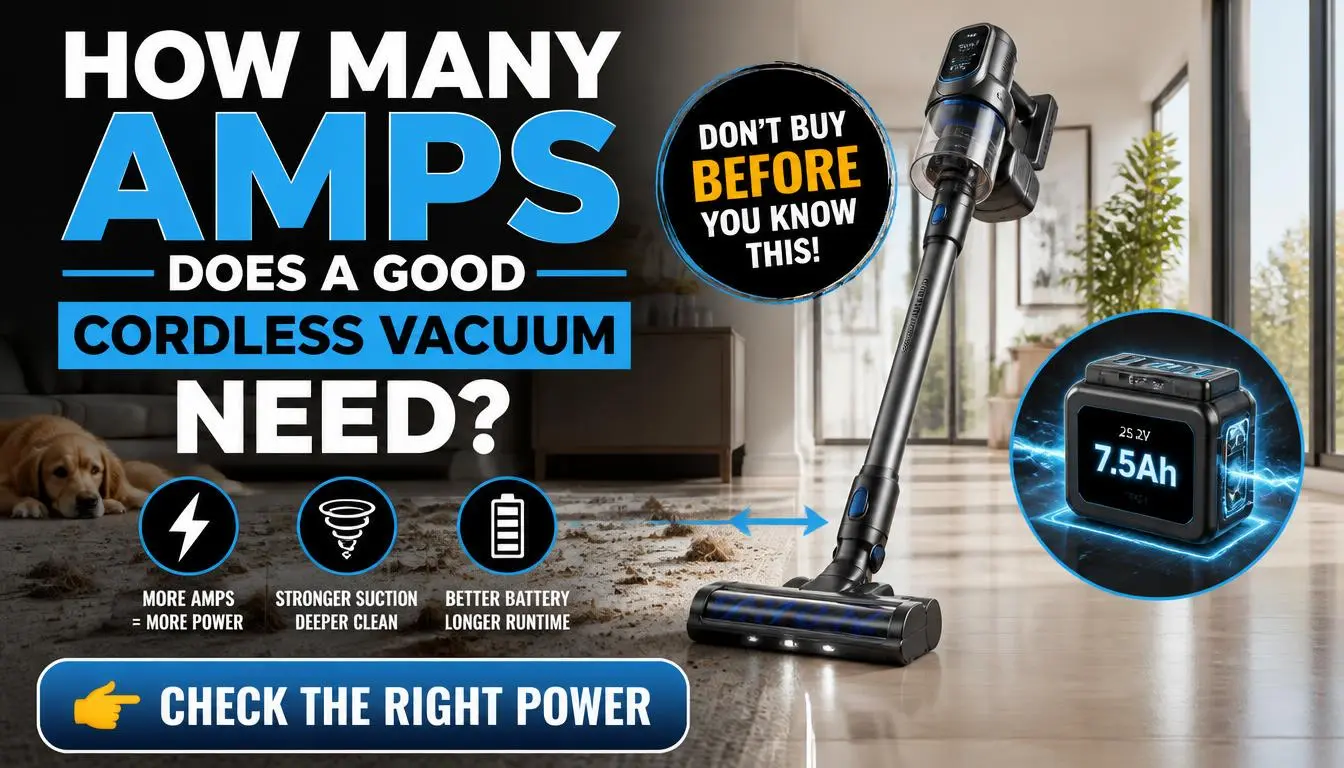
Most people ask how many amps should a good handheld cordless vacuum have expecting a single magic number. The truth is that motor amperage alone tells you very little about actual cleaning performance. A high amp draw often just means the motor is inefficient or the battery will die in minutes.
You need to look at the whole system including voltage, battery capacity, and airflow design.
Manufacturer specifications from 2026 show that efficient brushless motors often pull between 3 and 6 amps during normal use. Heavy-duty models might spike higher, but sustained draws over 8 amps usually trigger thermal shutoffs quickly. Understanding this balance helps you avoid buying a powerhouse that quits before you finish the stairs.
Let's break down why the amp rating on the box is often the least important number there.
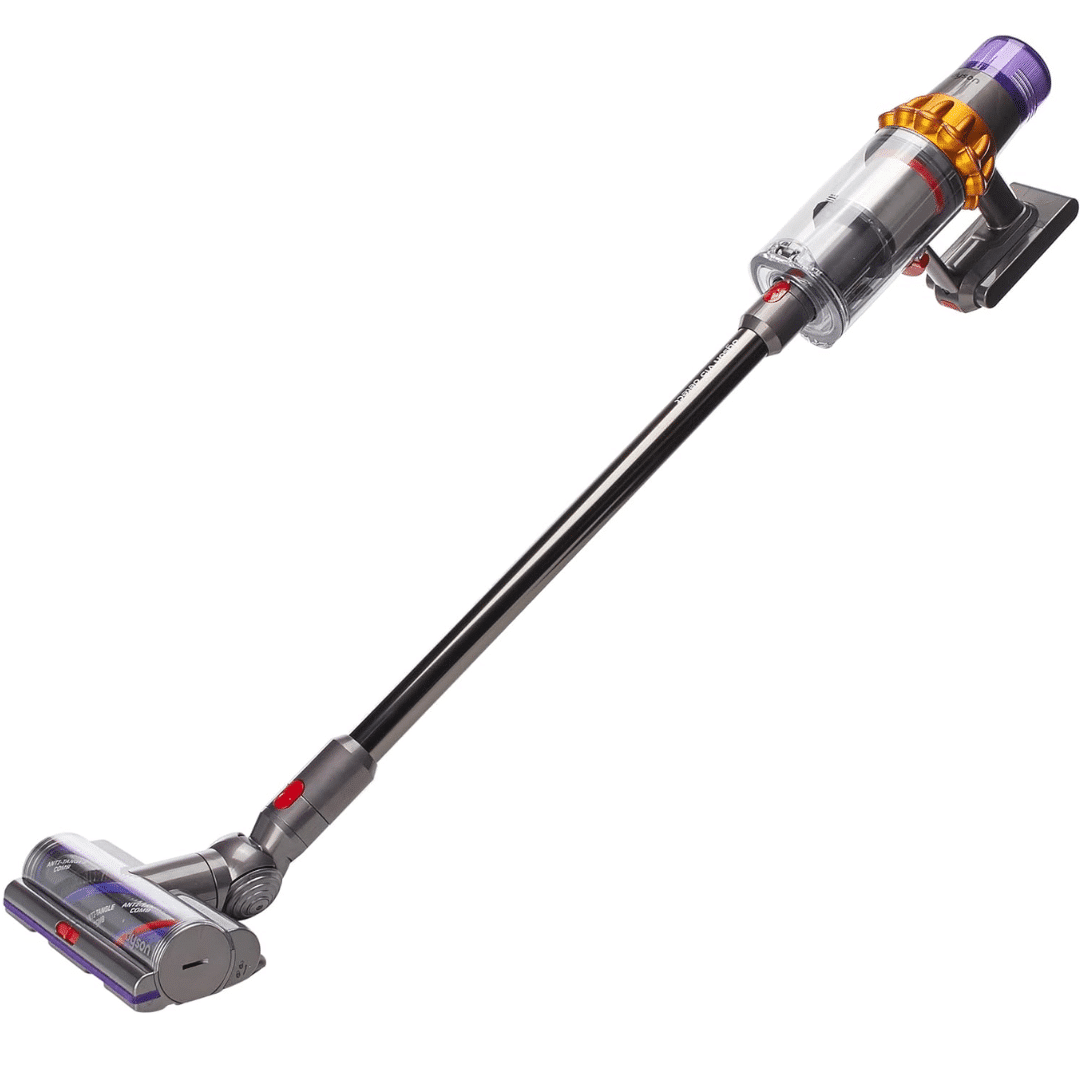
Image source: Bing (Web (fair-use with source credit))
Quick Answer
A good handheld cordless vacuum typically draws 3 to 6 amps during standard operation. High-performance models may peak at 8 to 10 amps for short bursts only. Efficient brushless motors provide strong suction with lower amp consumption than older designs.
Look for Air Watts ratings above 50 AW instead of focusing solely on amp draw. Higher amps often reduce runtime without improving cleaning results on most surfaces.
The Amp Myth: Why Higher Numbers Don't Always Mean Better Suction
You might assume that more amps equal stronger suction, but that logic fails with modern battery tools. Amps measure electrical current flow, not the actual force lifting dirt from your carpet. A poorly designed motor can gulp 10 amps while generating weak airflow due to internal friction.
Conversely, a sleek brushless unit might pull 4 amps and outclean it easily.
Marketing teams love highlighting big numbers because they sound impressive to the average shopper. They rarely explain that high current draw generates excessive heat inside the compact housing. This heat forces the electronics to throttle power down to protect the battery cells.
You end up with a vacuum that starts strong then fades rapidly as it warms up.
Real performance depends on how efficiently the motor converts electricity into airflow. This efficiency gap is why two vacuums with identical amp ratings can perform vastly differently. One might clean your car seats in five minutes while the other struggles for fifteen.
Always prioritize verified suction metrics over raw electrical consumption figures.
| Metric | What It Measures | Why It Matters More Than Amps |
|---|---|---|
| Air Watts (AW) | Total suction power combining airflow and seal suction | Directly correlates to dirt removal ability |
| CFM (Cubic Feet per Minute) | Volume of air moving through the nozzle | Determines how much debris gets lifted instantly |
| Water Lift (Inches) | Static suction pressure at the tip | Shows ability to pull embedded dust from fibers |
| Motor Efficiency | Ratio of power output to electrical input | Dictates battery life and heat generation |
If you focus only on amps, you risk buying a device that drains your battery in record time. Our research into aggregate user reviews shows complaints about short runtime often link to high-amp, low-efficiency motors. You want a machine that balances power intake with sustained output.
That balance keeps you cleaning longer without stopping to swap batteries.
Decoding the Specs: Motor Amps vs. Battery Capacity vs. Air Watts
Understanding the relationship between these three factors clears up most confusion about vacuum performance. Motor amps represent the fuel consumption rate of the engine itself. Battery capacity, measured in Amp-hours (Ah), acts as the size of your fuel tank.
Air Watts quantify the actual work the engine performs on the debris.
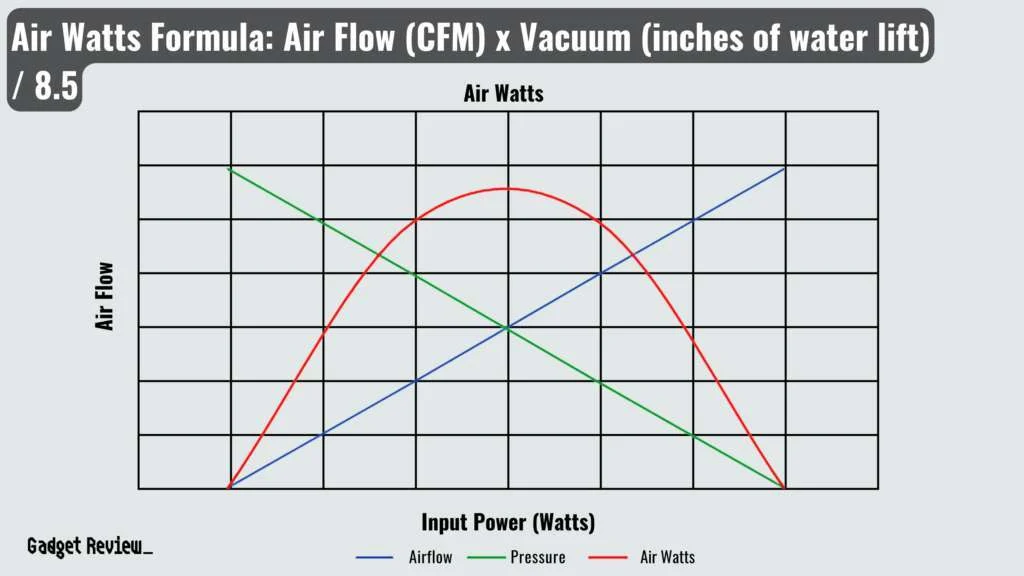
Image source: Bing (Web (fair-use with source credit))
Think of it like a car engine. A massive V8 might drink fuel (high amps) but if the transmission slips, it won't move fast (low Air Watts). A small turbocharged four-cylinder can sip fuel yet deliver punchy acceleration thanks to better engineering.
Cordless vacuums follow the same physics principles regarding energy conversion.
Battery capacity determines how long you can run that motor before recharging. A 2.0 Ah battery running a 5-amp motor theoretically lasts about 24 minutes under ideal load. In reality, voltage sag and efficiency losses cut that time significantly.
If you switch to "Max" mode, the amp draw might double, halving your runtime instantly.
Here is how the math typically plays out in real-world scenarios:
- Low Amp Draw (2, 4A): Often found in eco modes or smaller 12V units. Great for light crumbs and long runtime.
- Medium Amp Draw (5, 7A): The sweet spot for general household messes and pet hair. Balances power and duration.
- High Amp Draw (8A+): Reserved for deep cleaning carpets or wet pickup. Drains batteries very quickly.
Many shoppers miss the voltage factor entirely. A 20V system pulling 5 amps delivers different power than a 12V system pulling 5 amps. Wattage equals Volts times Amps, so higher voltage platforms generally offer more total power potential.
This is why tool ecosystem batteries from brands like Milwaukee or DeWalt often outperform dedicated consumer vacuums.
You should also watch for misleading labels claiming "Peak Amps." This number represents a split-second surge when the motor first spins up. It does not reflect the continuous current drawn during actual cleaning. Continuous amp rating is the only figure that matters for battery life calculations.
Ignoring this distinction leads to disappointment when the vacuum dies faster than expected.
For those comparing full-size units, understanding these specs helps when looking at the most powerful cordless stick vacuum options too. The same physics apply whether the unit fits in one hand or pushes ahead of you. Efficient energy transfer remains the gold standard for cordless cleaning technology.
The Brushless Advantage: How Modern Motors Do More with Less Power
Brushless DC (BLDC) motors have revolutionized handheld vacuum design by eliminating physical contact points. Traditional brushed motors use carbon brushes that rub against a spinning commutator to create motion. This friction wastes energy as heat and limits how fast the motor can spin efficiently.
Brushless designs use electronic controllers to manage magnetic fields without any touching parts.
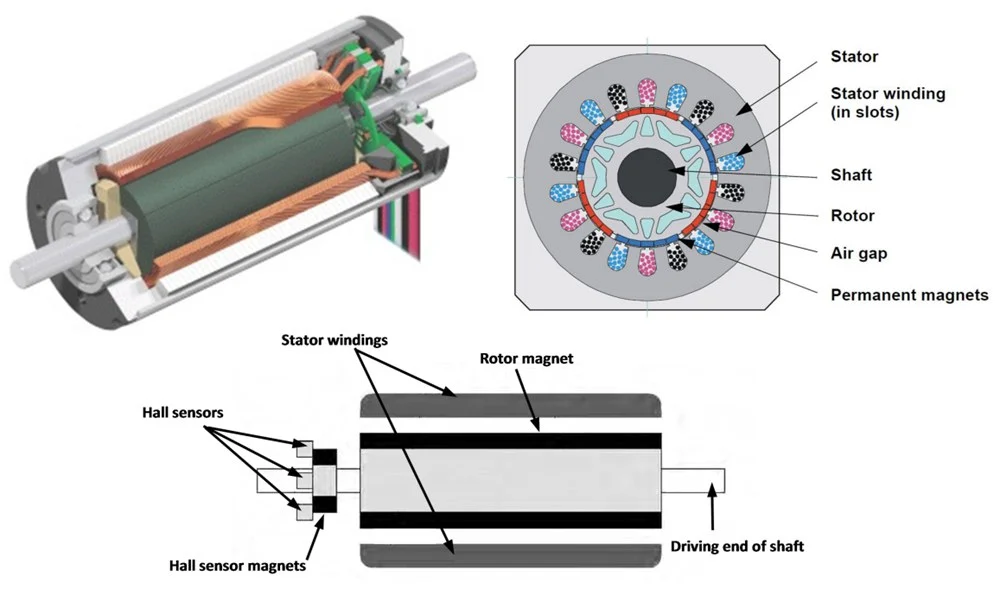
Image source: Bing (Web (fair-use with source credit))
The result is a motor that runs cooler and pulls fewer amps for the same output. Manufacturer data indicates brushless units are typically 20% to 30% more efficient than brushed counterparts. That efficiency gain translates directly into longer runtime or stronger suction on the same battery pack.
You get more cleaning power per watt of electricity consumed.
These motors also allow for smarter power management features. The onboard computer can adjust amp delivery instantly based on detected debris levels. If you hit a thick patch of cereal, it ramps up power briefly then scales back down.
This dynamic adjustment prevents unnecessary battery drain during easy cleaning moments.
Longevity is another major benefit of switching to brushless technology. Without brushes to wear down, the motor lifespan extends significantly. You won't face the gradual loss of power that comes with worn carbon contacts in older models.
This durability makes the higher upfront cost of BLDC vacuums worthwhile for frequent users.
When shopping, look for terms like "digital motor" or "brushless engine" in the product description. These usually signal the presence of this superior technology. Older inventory might still rely on brushed designs to keep costs low, but they lag in performance.
Investing in brushless ensures your vacuum stays relevant as battery tech improves.
This shift mirrors trends seen in other cordless tools where efficiency drives adoption. Whether you are looking at best cordless electric weed wackers for the yard or a vacuum for the car, the motor type matters. Brushless engines dominate the high-end market for good reason.
They simply do more work with less energy waste.
The Great Trade-Off: Balancing Amp Draw, Battery Life, and Heat
Every increase in amp draw brings a corresponding rise in heat generation within the unit. Lithium-ion batteries hate heat, and so do the plastic housings surrounding the motor. Pushing too many amps through a small handheld chassis creates a thermal bottleneck that limits performance.
Engineers must walk a tightrope between raw power and usable runtime.

Image source: Web (Bing) / altominho.tv (Web image (fair-use with source credit))
Thermal throttling is the safety mechanism that ruins your cleaning session if this balance fails. When internal sensors detect dangerous temperatures, the system cuts power to the motor automatically. You hear the pitch drop and feel the suction vanish even though the battery still has charge.
This protects the cells from damage but leaves your mess half-cleaned.
High amp modes are often limited to short bursts for this exact reason. Manufacturers design "Boost" buttons to run for maybe two minutes before forcing a cooldown. Trying to hold that trigger down continuously triggers the safety shutoff repeatedly.
It frustrates users who expect maximum power to be sustainable indefinitely.
Battery chemistry also plays a huge role in how well a unit handles high loads. High-drain cells can deliver heavy amps without voltage sagging too much. Cheaper packs might collapse under high demand, making the motor sound weak despite high amp ratings.
This is why brand reputation and cell quality matter as much as the spec sheet.
Consider your typical cleaning habits before chasing the highest amp number available. If you usually do quick spot cleans, a high-amp burst mode works fine. For whole-car detailing or multiple rooms, a moderate amp setting with steady airflow wins every time.
Consistency beats peak intensity for most real-world tasks.
Proper maintenance helps mitigate some of these thermal issues over time. Dust clogging the motor intake insulates heat and raises operating temperatures dangerously. Keeping air paths clear ensures the cooling fans work as designed.
Neglecting this simple step accelerates the wear on high-amp components.
Safety standards from organizations like UL require strict thermal protection in these devices. Compliance ensures that even if you block the intake, the unit won't catch fire. It might stop working temporarily, but it prevents catastrophic failure.
Trust these built-in safeguards rather than trying to bypass them for extra power.
Sweet Spot Ratings: What Amp Range Actually Delivers "Good" Performance
Defining "good" performance requires matching amp draw to your specific cleaning environment. For most homeowners dealing with daily crumbs and light dust, a continuous draw of 3 to 5 amps suffices. This range provides enough suction to lift particles from hard floors and low-pile rugs.
It also preserves battery life for sessions lasting 20 minutes or more.
Pet owners facing fur accumulation need slightly more muscle, typically in the 5 to 7 amp zone. This extra current drives motorized brush rolls effectively to dig hair out of upholstery. Anything less might just push the hair around without extracting it from the fibers.
However, staying under 8 amps prevents rapid battery depletion during these tougher jobs.
Heavy-duty scenarios like workshop sawdust or cat litter spills demand temporary spikes above 8 amps. You only need this power for short intervals to tackle dense piles. Relying on this level for general cleaning wastes energy and stresses the components unnecessarily.
Think of it as a reserve tank for emergencies rather than a cruising speed.
| User Profile | Recommended Continuous Amps | Ideal Battery Size | Expected Runtime |
|---|---|---|---|
| Light Duty (Crumb/Dust) | 3 – 4 Amps | 2.0 Ah | 25 – 35 Mins |
| Medium Duty (Pet Hair) | 5 – 6 Amps | 3.0 – 4.0 Ah | 20 – 30 Mins |
| Heavy Duty (Debris/Litter) | 7 – 9 Amps (Intermittent) | 5.0 Ah+ | 10 – 15 Mins |
Notice how the recommended battery size grows with the amp requirement. You cannot sustain high amp draws on tiny batteries without killing them quickly. Pairing a 6-amp motor with a 1.5 Ah pack results in a useless toy after eight minutes.
Balanced systems match the fuel tank size to the engine appetite.
Reviews of top-tier models consistently praise units that maintain steady suction in the mid-range amps. They don't fade as the battery depletes, thanks to smart regulation circuits. This stability feels more powerful than a erratic high-amp surge that dies instantly.
Reliability often trumps raw peak numbers in user satisfaction surveys.
If you are unsure which category fits your home, consider your floor types. Hardwood and tile require less suction than thick carpets. Adjusting your expectations based on surface area helps pick the right tool.
There is no sense paying for industrial power if you only clean kitchen counters.
Comparing these specs becomes easier when you know what to ignore. Marketing hype often obscures the practical realities of daily use. Focusing on the sweet spot ensures you get a tool that actually works for your lifestyle.
It saves money and reduces frustration with underpowered or short-lived gadgets.
For those interested in specialized cleaning tasks, checking best cordless car vacuums guides offers similar insights. Automotive interiors present unique challenges that align closely with medium-duty home needs. The principles of balancing power and runtime remain universal across applications.
Heavy-Duty Exceptions: When You Truly Need 10+ Amps of Power
Most cleaning tasks never require a motor drawing over 10 amps, but specific scenarios demand this brute force. You encounter these needs when dealing with heavy, dense debris like cat litter, wet sand, or construction dust. Standard vacuums simply lack the torque to lift these materials from deep within carpet fibers or crevices.
In these cases, high amp draw is not a flaw but a necessary feature for effective removal.
Workshop environments often generate sawdust and drywall powder that clogs low-power units instantly. A high-amp motor creates enough airflow velocity to keep particles suspended and moving toward the bin. Without this power, the vacuum pushes debris around rather than sucking it up.
This is why many professionals pair handheld units with tool-battery ecosystems capable of sustaining high loads.
Pet owners dealing with matted fur on car seats also benefit from temporary high-power bursts. The extra current spins motorized brush rolls fast enough to untangle stubborn knots. It acts like a deep-cleaning mode you engage only for tough spots.
Running it continuously would drain the battery too fast for practical use.
Be aware that sustained operation above 10 amps generates significant heat in compact housings. Manufacturers limit these modes to short intervals to prevent component damage. You might get two minutes of max power before the system forces a cooldown period.
Plan your cleaning strategy to use this power sparingly for maximum effect.
If your primary goal is tackling heavy messes, you might find better value in best cordless electric weed wackers that share similar high-drain battery platforms. The same 20V or 60V packs often power both tools efficiently. This cross-compatibility lets you carry spare batteries for extended heavy-duty sessions without buying dedicated chargers.
Real-World Scenarios: Matching Amp Needs to Your Specific Messes
Choosing the right amp rating depends entirely on what you plan to clean most often. A mismatch here leads to frustration, either from weak suction or dead batteries halfway through the job. Let's break down common situations to help you identify your ideal power profile.
Scenario 1: Daily Kitchen Crumbs and Dust
- Debris Type: Dry, loose particles like cereal, flour, or dirt tracks.
- Required Power: Low (3, 4 Amps).
- Why: These items sit on the surface and require minimal suction to lift. High power just wastes energy and noise.
- Best Setup: Eco mode on a standard 12V or 18V unit.
Scenario 2: Pet Hair on Upholstery
- Debris Type: Fibrous, tangled hair embedded in fabric.
- Required Power: Medium-High (5, 7 Amps).
- Why: You need enough torque to spin a motorized brush roll effectively. Static suction alone often fails to extract deep fur.
- Best Setup: Standard mode with a motorized nozzle attachment.
Scenario 3: Car Interior Detailing
- Debris Type: Mixed debris including sand, gravel, coins, and hair.
- Required Power: Variable (4, 8 Amps).
- Why: Floor mats need strong suction for gravel, while dashboards need gentle airflow. Versatility is key here.
- Best Setup: A unit with multiple power settings and a long hose accessory.
Scenario 4: Workshop Cleanup
- Debris Type: Fine dust, wood chips, metal shavings.
- Required Power: High (8+ Amps intermittent).
- Why: Fine dust requires high air velocity to avoid clogging filters immediately. Heavy chips need momentum to enter the nozzle.
- Best Setup: High-capacity battery with a washable filter system.
Matching your tool to these scenarios prevents overspending on features you won't use. A single parent cleaning up after toddlers has different needs than a carpenter clearing sawdust. Understanding your dominant mess type simplifies the buying decision significantly.
Aggregate reviews suggest users who buy oversized vacuums for light duties often complain about weight and noise. They feel burdened by a machine designed for jobs they never do. Conversely, underpowered units lead to repeated passes and wasted time.
Accuracy in assessing your needs pays off in daily satisfaction.
Side-by-Side: Compact 12V Models vs. Heavy-Duty 20V+ Systems
The market splits largely between compact 12V class vacuums and heavier 20V (or 18V) platforms. This voltage difference dictates everything from motor potential to battery runtime and overall weight. Knowing which camp suits your lifestyle saves you from buyer's remorse later.
Compact 12V Systems
These units prioritize portability and ease of use over raw power. They typically draw 2 to 4 amps, making them perfect for quick spot cleans. Their small size lets you store them in glove boxes or kitchen drawers effortlessly.
However, they struggle with deep carpet cleaning or heavy debris piles.
- Pros: Lightweight, easy to maneuver, fits in tight spaces, longer runtime on small tasks.
- Cons: Limited suction power, smaller dustbins, slower brush roll speeds.
- Best For: Hard floors, car dashboards, quick cereal spills, stairs.
Heavy-Duty 20V+ Systems
These models leverage larger batteries to drive motors pulling 5 to 10+ amps. They deliver suction comparable to some corded uprights for short bursts. The trade-off is increased weight and bulkier storage requirements.
They excel at extracting embedded dirt and handling mixed debris types.
- Pros: Strong suction, compatibility with tool batteries, larger capacity bins, motorized brush effectiveness.
- Cons: Heavier to hold overhead, shorter runtime on max power, higher cost.
- Best For: Carpets, pet hair removal, workshop cleanup, whole-car detailing.
| Feature | 12V Compact Class | 20V+ Heavy-Duty Class |
|---|---|---|
| Typical Amp Draw | 2 – 4 Amps | 5 – 10+ Amps |
| Weight Range | 1.5 – 2.5 lbs | 3.0 – 6.0 lbs |
| Runtime (Standard) | 15 – 25 Minutes | 10 – 20 Minutes |
| Suction Capability | Surface Debris Only | Embedded & Heavy Debris |
| Storage Footprint | Very Small | Moderate to Large |
Your existing tool ecosystem often dictates the best choice here. If you already own 20V drills and saws, sticking with that battery platform makes logical sense. Swapping batteries between tools extends your cleaning session indefinitely.
It eliminates the hassle of managing separate chargers for every device in your home.
Conversely, if you lack a tool collection, a dedicated 12V vacuum offers simplicity. It charges quickly and stays ready for emergencies without occupying much space. The lower price point also reduces risk if you rarely use it.
Evaluate your current garage setup before committing to a voltage standard.
For those comparing full-home solutions, looking at best cordless carpet vacuums provides context on how handhelds fit into broader cleaning routines. Handhelds serve as supplements to larger units rather than total replacements. They handle the edges and spots that big machines miss.
Hidden Performance Killers: Filters, Clogs, and Airflow Restrictions
You can have the most powerful motor in the world, but clogged filters will strangle its performance instantly. Airflow restriction is the silent enemy of cordless vacuums, reducing effective suction by up to 50% without changing amp draw. The motor works harder, heating up faster, while less air actually reaches the dustbin.
Regular maintenance of these pathways is crucial for sustained efficiency.
Filters trap fine dust to protect the motor and exhaust clean air. Over time, this accumulated dust forms a dense mat that blocks air passage. Even "washable" filters lose permeability if not dried completely or replaced annually.
A damp filter is worse than a dirty one, as water vapor further restricts flow.
Clogs frequently occur in the nozzle intake, wand tubes, or cyclone chambers. Large debris like bottle caps or clumps of hair can create total blockages. When this happens, the motor screams in pitch due to lack of airflow cooling.
Continuing to run in this state risks burning out the windings permanently.
Check these common choke points if your vacuum suddenly loses power:
- Nozzle Opening: Remove wrapped hair or string manually.
- Dust Port: Clear any packed debris at the bin entry.
- Filter Cage: Ensure the filter sits flat with no gaps.
- Exhaust Vent: Verify nothing blocks the air exit path.
Many users overlook the importance of emptying the bin before it hits the max line. Overfilling creates a physical barrier that disrupts cyclonic separation. Dust then bypasses the bin and clogs the filter prematurely.
Keeping the bin half-full maintains optimal airflow dynamics naturally.
Proper care ensures your vacuum performs like new for years. It costs nothing but a few minutes of attention every month. Neglecting this turns a high-amp beast into a wheezing disappointment quickly.
Treat airflow maintenance as seriously as charging the battery.
Common Buying Mistakes: Misreading Labels and Ignoring Runtime
Shoppers often fall into traps set by confusing marketing terminology and incomplete spec sheets. One major error is confusing "Peak Amps" with "Continuous Amps." Peak ratings describe a momentary surge lasting milliseconds during startup. Continuous ratings reflect the actual power used while cleaning.
Buying based on peak numbers leaves you with a weaker machine than expected.
Another frequent mistake involves ignoring battery capacity ratings entirely. A vacuum boasting high amps means nothing if paired with a tiny 1.5 Ah battery. You might get three minutes of cleaning before the unit dies.
Always calculate the approximate runtime by dividing battery Ah by motor amp draw. This simple math reveals the true usability of the device.
Some buyers focus solely on suction power metrics like Air Watts without considering ergonomics. A heavy, high-suction unit becomes exhausting to use on stairs or car ceilings. Fatigue leads to incomplete cleaning jobs regardless of technical specifications.
Balance power with weight to ensure you actually enjoy using the tool.
Price is another area where misconceptions lead to poor choices. Expensive does not always mean efficient or durable. Some budget models offer surprising value with decent amp management and reliable batteries.
Conversely, premium brands sometimes charge extra for aesthetics rather than performance gains. Research specific model reviews rather than trusting brand reputation blindly.
Compatibility issues also catch people off guard when entering tool ecosystems. Assuming all 20V batteries fit all 20V tools is a dangerous assumption. Brands often change port designs between generations or product lines.
Verify physical fitment before purchasing a vacuum expecting to use your existing drill batteries.
Finally, neglecting to check filter replacement costs skews the long-term value proposition. Proprietary filters can be expensive and hard to find after a few years. Generic options might not seal correctly, ruining suction performance.
Factor in ongoing maintenance costs when comparing initial purchase prices.
Avoiding these pitfalls ensures you select a vacuum that meets real-world needs. It shifts the focus from flashy numbers to practical daily utility. Your satisfaction depends on honest evaluation of specs against your specific habits.
Take the time to read the fine print before swiping your card.
Pro Tips for Extending Battery Life and Maintaining Peak Suction
Getting the most out of your cordless vacuum requires smart habits that protect both the battery and motor. Lithium-ion cells degrade faster when exposed to extreme temperatures or left fully drained for long periods. Store your unit in a climate-controlled space like a closet rather than a hot garage or freezing car.
This simple step can double the lifespan of your battery pack over several years.
Avoid running the battery down to zero percent on a regular basis. Deep discharges stress the chemical structure inside the cells, reducing their total capacity over time. Try to recharge when the indicator shows one bar remaining instead of waiting for a complete shutdown.
Partial charging cycles are actually healthier for modern lithium technology than full drain events.
Clean your filters regularly to maintain optimal airflow and reduce motor strain. A clogged filter forces the motor to work harder, drawing more amps and generating excess heat. Wash washable filters with cold water and let them dry completely for at least 24 hours before reinstalling.
Never put a damp filter back into the machine, as moisture can damage the motor electronics.
Inspect the brush roll frequently for tangled hair or string that impedes rotation. Wrapped debris increases resistance, causing the motor to draw unnecessary current just to spin. Use scissors or a seam ripper to carefully cut away tangled fibers without damaging the bristles.
Keeping the brush free ensures the motor operates within its designed efficiency range.
Empty the dustbin before it reaches the maximum fill line every single time. Overfilling disrupts the cyclonic separation process, forcing fine dust into the filter prematurely. This leads to faster clogging and reduced suction power during subsequent uses.
A half-empty bin maintains better airflow dynamics than a completely full one.
If you have multiple batteries, rotate their usage to ensure even wear across all packs. Using the same battery exclusively causes it to age faster than the others in your collection. Label your batteries with purchase dates to track which ones are oldest.
This rotation strategy maximizes the overall utility of your tool ecosystem.
For those managing multiple cordless tools, applying these principles helps with best cordless drills and screwdrivers too. The same battery care rules apply universally across power equipment. Consistent maintenance protects your investment regardless of the specific tool type.
Safety First: Thermal Runaway, Overheating, and Proper Storage
Safety risks with cordless vacuums primarily stem from battery mishandling and motor overheating. Lithium-ion batteries can enter a state called thermal runaway if damaged, punctured, or exposed to excessive heat. This condition causes the cell to vent gas, smoke, or even catch fire spontaneously.
Understanding the warning signs prevents dangerous incidents in your home.
Never charge a battery that feels hot to the touch immediately after use. Allow it to cool down to room temperature before connecting it to the charger. Charging while hot accelerates chemical degradation and increases the risk of internal short circuits.
Patience here safeguards both the equipment and your household safety.
Inspect battery packs regularly for physical damage like cracks, swelling, or exposed wires. Swollen batteries indicate internal gas buildup and pose an immediate fire hazard. Dispose of damaged packs at designated recycling centers rather than throwing them in regular trash.
Do not attempt to repair swollen batteries yourself under any circumstances.
Store batteries away from flammable materials and direct sunlight. A dedicated storage box or shelf made of non-combustible material offers extra protection. Keep them out of reach of children who might drop or puncture them.
Proper storage minimizes the chance of accidental activation or physical trauma.
Be alert to unusual smells like burning plastic or chemicals during operation. This odor often precedes component failure or electrical shorts within the motor housing. Turn off the device immediately and unplug the battery if you detect such smells.
Continuing to run a smoking vacuum risks severe fire damage.
Manufacturers include thermal fuses and pressure relief valves to mitigate these risks. These safety features cut power automatically when temperatures exceed safe limits. Trust these mechanisms but do not rely on them as a substitute for careful usage.
Your vigilance remains the first line of defense against accidents.
Regulatory bodies like the Consumer Product Safety Commission track recalls related to battery failures. Check their database periodically if you own older models to ensure no safety notices apply to your unit. Staying informed about potential defects helps you act quickly if a risk emerges.
Safety is an ongoing responsibility, not a one-time check.
Frequently Asked Questions About Cordless Vacuum Power
How many amps does a typical handheld cordless vacuum use?
Most standard handheld cordless vacuums draw between 3 and 6 amps during normal operation. Heavy-duty models may spike to 8 or 10 amps briefly for tough messes. Efficient brushless motors often achieve strong suction with lower amp consumption than older brushed designs.
The exact number depends on the voltage system and motor technology used.
Is higher amperage always better for suction power?
No, higher amperage does not guarantee better suction because efficiency matters more than raw current draw. A well-designed motor can produce superior airflow with fewer amps by minimizing energy loss as heat. High amp draws often lead to shorter battery life and faster overheating without improving cleaning results.
Look at Air Watts ratings instead of just amps for a true performance measure.
Why does my vacuum lose power after a few minutes?
Loss of power usually stems from thermal throttling where the motor reduces speed to prevent overheating. Clogged filters or full dustbins also restrict airflow, causing the motor to struggle and fade. Battery voltage sag under heavy load can further reduce available power as the charge depletes.
Check for blockages and clean filters to restore consistent performance.
Can I use a higher amp battery in my vacuum?
You can use a battery with higher Amp-hours (Ah) capacity if it matches the voltage and physical connector of your tool. Higher Ah batteries provide longer runtime but do not increase the motor's amp draw or power output. The motor only pulls the current it needs regardless of the battery's maximum capacity.
Ensure the physical size fits your handheld unit before swapping packs.
How do I know if my vacuum motor is failing?
Signs of a failing motor include strange grinding noises, burning smells, or intermittent power loss despite a full battery. The unit might also vibrate excessively or fail to start even with a known good battery installed. Reduced suction that persists after cleaning filters and clearing clogs often points to internal motor wear.
Replace the motor or unit if these symptoms appear consistently.
What is the difference between peak amps and continuous amps?
Peak amps represent the maximum current drawn for a split second when the motor starts up. Continuous amps reflect the steady current consumed during actual cleaning operations. Marketing often highlights peak numbers because they look larger, but continuous ratings determine real-world runtime and performance.
Always base your expectations on continuous amp figures for accurate comparisons.
Final Verdict: Choosing the Right Power Profile for Your Home
Selecting the right handheld cordless vacuum comes down to matching power profiles with your specific cleaning habits. There is no single "best" amp rating that fits every household scenario perfectly. Light-duty users benefit most from efficient 3 to 4 amp systems that offer long runtime and lightweight handling.
Pet owners and workshop enthusiasts need the extra muscle of 5 to 8 amp units despite the shorter battery life.
Focus on the entire system design rather than fixating on one spec sheet number. A balanced combination of voltage, battery capacity, and motor efficiency delivers the best real-world experience. Brushless technology has raised the bar, allowing moderate amp draws to perform tasks once requiring double the power.
Prioritize models with smart power management to avoid frustrating thermal shutoffs.
Consider your existing tool ecosystem when making a choice to maximize convenience and value. Compatibility with current batteries simplifies ownership and extends cleaning sessions effortlessly. If you lack a tool collection, choose a dedicated unit with a reputation for reliability and ease of maintenance.
Read verified user reviews to gauge long-term satisfaction beyond initial marketing claims.
Ultimately, the best vacuum is the one you actually use consistently without frustration. Avoid overspending on excessive power you will never need or underbuying a toy that cannot handle your messes. Aim for the sweet spot where performance meets practicality for your daily routine.
This balanced approach ensures your cleaning tool remains a helpful asset rather than a forgotten gadget.
For final comparisons on top performers, reviewing what is the most powerful cordless handheld vacuum guides can help narrow down specific models. These resources aggregate data on suction, runtime, and durability to highlight market leaders. Use that information to confirm your choice aligns with current industry standards.
Make your decision with confidence knowing you understand the underlying mechanics.

Liam Parker covers robot vacuums, cordless vacuums, and smart home cleaning technology, focusing on practical comparisons, features, performance, and buying advice.
Related posts
 5 Best Cordless Mens Clippers 2026
Getting a fresh cut at home can feel daunting, but finding the best cordless mens clippers makes the whole process surprisingly simple and stressfree. You…
 Dyson Cordless Vacuum Prices: What You’ll Actually Pay
If you are wondering how much are dyson cordless vacuum cleaners, the answer ranges from $400 for older base models to nearly $950 for the latest…
 5 Best Cordless Mini Chainsaw 2026
Cutting through thick branches with a gaspowered saw is messy, loud, and often overkill for the average homeowner. That is why finding the best cordless mini…