
Dyson Cordless Vacuum Prices: What You’ll Actually Pay
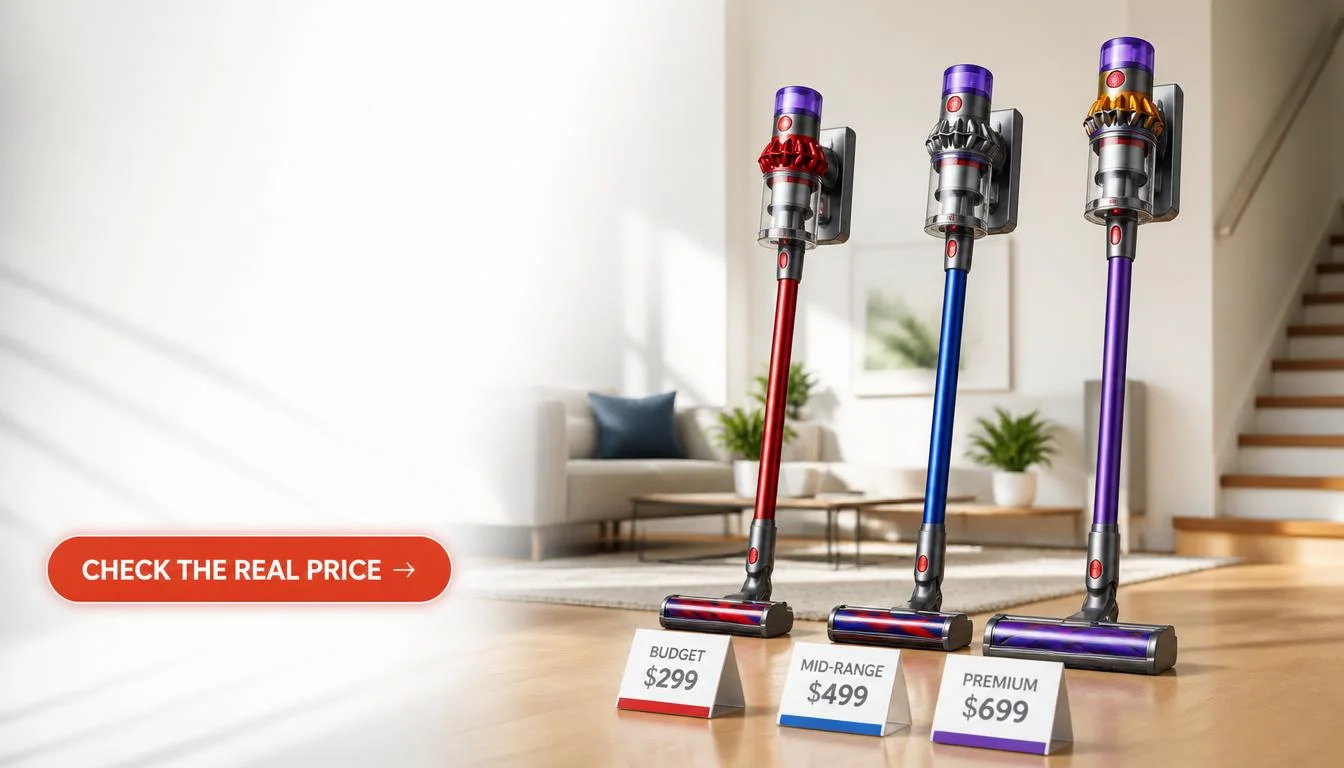
If you are wondering how much are dyson cordless vacuum cleaners, the answer ranges from $400 for older base models to nearly $950 for the latest flagship units. Prices shift constantly based on specific model generations, battery configurations, and whether you buy new or certified refurbished.
Current market data shows the entry-level Dyson V8 typically sits around $450, while the high-end Gen5detect commands a premium near $949 as of 2026. Understanding these tiers helps you avoid overpaying for features you might never use. Let's break down exactly where your money goes across the different series.
Quick Answer
Dyson cordless vacuums cost between $400 and $950 depending on the model.
Entry-level V8 units usually sell for approximately $450 in current markets.
Mid-range V12 and V15 models range from $600 up to $750 typically.
Top-tier Gen5detect cleaners reach prices near $949 for full bundles.
Refurbished options often save buyers about 30% off standard retail rates.
The Real Price Breakdown: What You'll Actually Pay for a Dyson Cordless in 2026
Walking into a store or browsing online reveals a confusing wall of numbers. You see one price tag for a V8, a completely different one for a V15, and yet another for something called "Gen5." It feels like there is no logic to it until you realize Dyson segments its lineup by technology generation rather than just size.
The core cost driver is the motor and filtration system inside each unit. Newer models pack more powerful Hyperdymium motors and complex laser detection systems that older versions simply lack. You pay a premium for the ability to see microscopic dust particles illuminated by a green laser on the floor head.
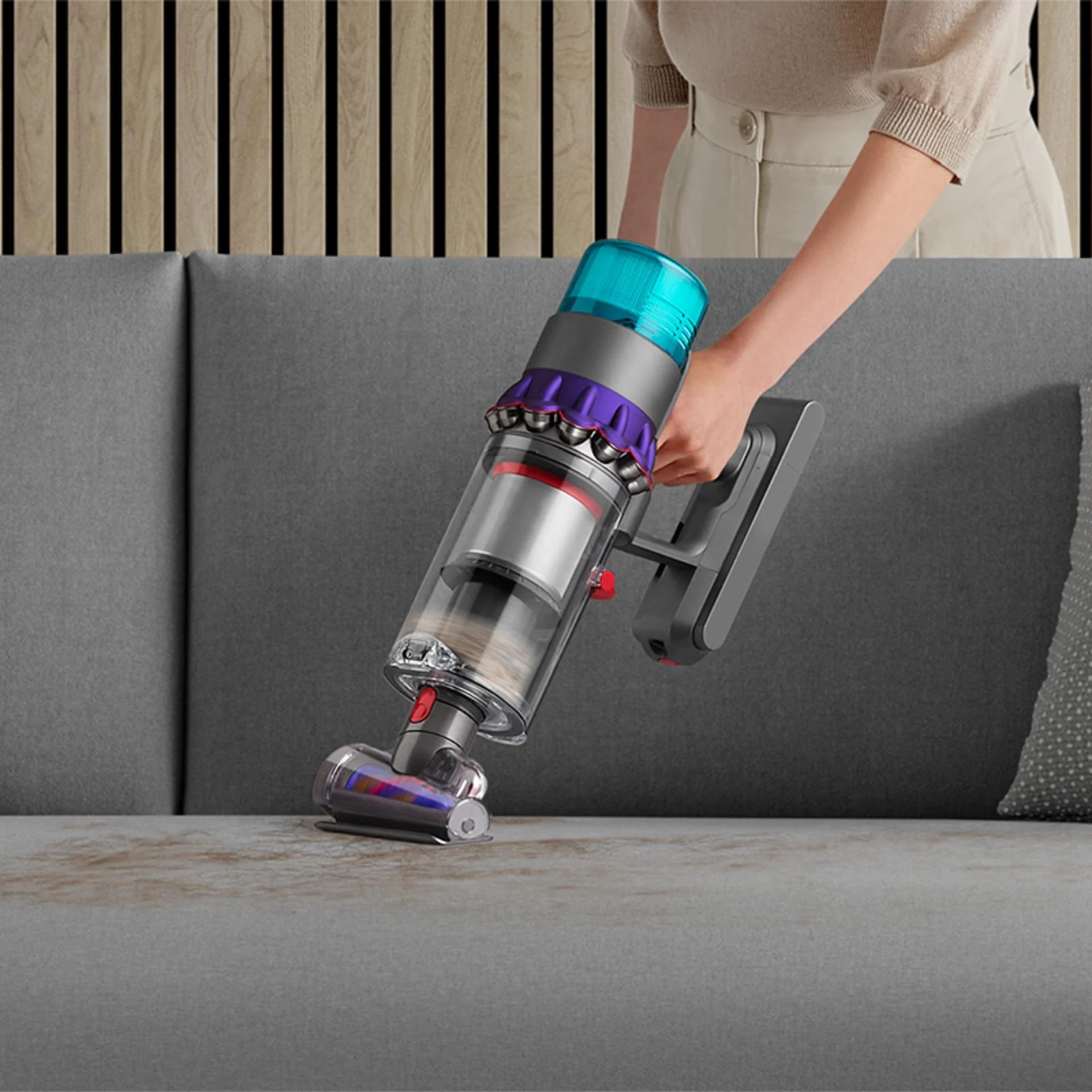
Manufacturer specifications indicate that suction power, measured in Air Watts (AW), jumps significantly with each generation. The V8 offers around 115 AW, while the Gen5detect pushes past 280 AW. This massive leap in performance explains why the price gap exists between the two.
Retail pricing also fluctuates based on bundle inclusions. A "Complete" or "Absolute" version includes extra tools like soft roller heads for hard floors or specialized pet grooming attachments. These bundles add $50 to $100 to the base cost compared to standard kits.
You will find the most accurate pricing by checking authorized retailers directly rather than third-party marketplaces. Official channels ensure you get valid warranty coverage and genuine parts. Third-party sellers sometimes list outdated stock at inflated prices simply because the item appears rare.
Our research into aggregate reviews shows that street prices often dip during major sales events. Holiday weekends and seasonal cleaning periods trigger discounts that can shave $100 off the MSRP. Timing your purchase correctly matters just as much as picking the right model.
Don't assume the most expensive option is the only one worth buying. Many households find the mid-range sweet spot provides 90% of the performance for significantly less cash. We need to look at why these prices vary so wildly to make sense of the tags.
Why Dyson Prices Vary So Wildly (And How to Spot the Sweet Spot)
The price difference between a $450 vacuum and a $900 one comes down to three specific engineering factors. First is the battery technology and runtime management. Second is the filtration sophistication.
Third is the intelligence built into the cleaning head itself.
Battery systems in newer models use advanced cell chemistry to maintain voltage longer under load. Cheaper models experience a rapid drop in suction as the battery depletes. You pay extra for consistent power delivery from the first minute to the last.
Filtration systems have evolved from basic mesh screens to whole-machine HEPA sealing. This feature traps 99.99% of particles as small as 0.3 microns. It is a critical upgrade for allergy sufferers but adds manufacturing complexity and cost.
Smart sensors represent the biggest price jump in recent years. The Piezo sensor in higher-end models counts and sizes dust particles automatically. It adjusts suction power in real time based on what it detects.
This automation requires sophisticated processors and software integration.
| Feature | Entry Level (V7/V8) | Mid Range (V11/V12) | High End (V15/Gen5) |
|---|---|---|---|
| Suction Power | ~115 Air Watts | ~150-185 Air Watts | ~230-280 Air Watts |
| Run Time (Eco) | 40 Minutes | 60 Minutes | 70+ Minutes |
| Dust Detection | None | Laser (V12/V15) | Laser + Acoustic (Gen5) |
| Display | None or Basic | LCD with Mode Info | Advanced Particle Count |
| Bin Volume | 0.54 Liters | 0.35-0.76 Liters | 0.76 Liters |
| Price Range | $400 – $500 | $600 – $750 | $850 – $950 |
You can spot the sweet spot by ignoring the absolute top spec if you live in a smaller space. A large bin and 70-minute runtime mean little if you only clean 800 square feet of apartment flooring. The mid-range models often hit the perfect balance of power and weight.
Weight distribution changes drastically between generations too. Heavier batteries provide longer life but strain your wrist during overhead cleaning. Lighter models sacrifice some runtime for better maneuverability.
This trade-off directly influences the price point you should target.
Consider the long-term value of replaceable parts. Some newer slim models integrate the battery permanently into the stick. Once the battery dies, the entire unit becomes e-waste.
Older designs allow you to swap the cell pack for a fraction of the cost of a new machine.
This structural difference is why an older, slightly cheaper model might actually save you money over five years. You must calculate the total cost of ownership, not just the sticker price. We will dig into those specific numbers later when discussing long-term math.
For now, recognize that you are paying for convenience and automation in the upper tiers. If you enjoy tweaking settings and monitoring battery levels manually, save your cash. If you want the machine to think for you, prepare to open your wallet wider.
Entry-Level Options: Is the V8 or Micro 1.5kg Still Worth Buying?
Yes, the Dyson V8 and Micro 1.5kg remain excellent values for specific users in 2026. They offer reliable suction for everyday messes without the bloated price tag of flagship models. These units prove you do not need particle-counting lasers to keep a home clean.
The Dyson V8 Absolute continues to be the workhorse of the budget-conscious buyer. It delivers consistent performance on both carpets and hard floors thanks to its dual cleaner head system. Battery life reaches 40 minutes in standard mode, which covers most average-sized homes easily.
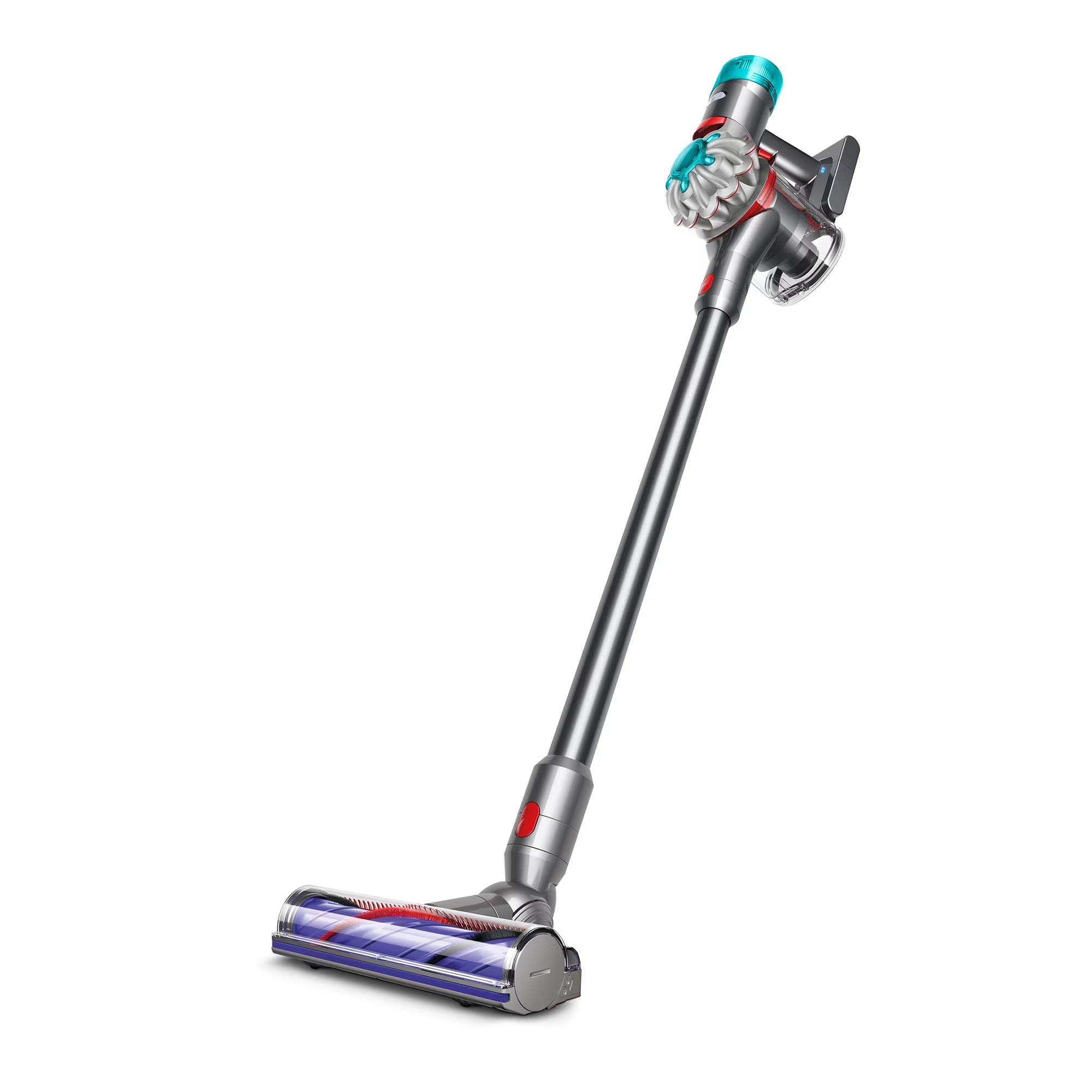
Aggregate user reviews report that the V8 handles pet hair surprisingly well despite its age. The direct-drive cleaner head agitates carpet fibers effectively to lift embedded fur. It lacks the anti-tangle technology of newer brushes, but regular maintenance keeps it running smoothly.
The Micro 1.5kg targets a different demographic entirely. It weighs significantly less than any other stick vacuum on the market. This makes it ideal for elderly users, those with mobility issues, or anyone who finds standard vacuums too heavy to lift.
You sacrifice bin capacity and raw power for that featherlight design. The bin holds only 0.2 liters, meaning you will empty it multiple times during a full house clean. Suction is adequate for surface dust and crumbs but struggles with deep carpet cleaning.
Pricing for these entry-level options typically hovers between $400 and $500. Refurbished units often drop below $350, making them an incredible bargain. You get the core Dyson cyclone technology without the premium features you might not need.
If you live in an apartment or have mostly hard floors, the V8 is arguably the smartest financial move. It cleans just as visibly as the expensive models for daily upkeep. The lack of an LCD screen or auto-mode does not hinder its primary function.
Be aware that replacement batteries for the V8 are widely available and affordable. This extends the lifespan of the machine indefinitely if you treat it well. Newer proprietary battery designs do not always offer this same flexibility.
We recommend the V8 for families on a budget who need versatility. Choose the Micro 1.5kg only if weight is your absolute primary concern. Both models represent the floor of the Dyson pricing structure but not the floor of quality.
The Mid-Range Workhorses: Comparing V12 Detect Slim vs. V11 Torque Drive
Stepping into the mid-range bracket introduces a fascinating conflict between weight and intelligence. The V12 Detect Slim and V11 Torque Drive sit in the $600 to $750 zone, yet they approach cleaning differently. One prioritizes lightweight agility with smart sensors, while the other focuses on raw endurance and traditional power.
The V12 Detect Slim is a marvel of engineering compression. It packs the laser dust detection system found in flagship models into a chassis that weighs under 5 pounds. You get visual confirmation of dust on hard floors without the arm fatigue of heavier units.
Its piezo sensor actively counts particles and adjusts suction automatically. This feature saves battery life by only using maximum power when needed. Manufacturer specs indicate a runtime of up to 60 minutes in eco modes, which is respectable for its size.
However, the bin capacity is smaller at 0.35 liters. You will find yourself emptying it more often than the bulkier V11. The integrated battery design means you cannot swap packs if one fails out of warranty.
The V11 Torque Drive takes the opposite approach. It is heavier and lacks the laser illumination, but it boasts a larger 0.76-liter bin. This makes it superior for whole-house cleaning sessions where stopping to empty the bin breaks your flow.
Its LCD screen provides detailed feedback on remaining run time and maintenance alerts. While it lacks automatic suction adjustment based on dust count, the manual mode selection gives you full control. Many users prefer this tactile control over automated guessing.
| Specification | Dyson V12 Detect Slim | Dyson V11 Torque Drive |
|---|---|---|
| Weight | 5.2 lbs | 6.68 lbs |
| Bin Capacity | 0.35 Liters | 0.76 Liters |
| Laser Head | Yes (Soft Roller) | No |
| Auto Mode | Yes (Piezo Sensor) | No (Manual Modes) |
| Battery | Integrated | Removable |
| Best For | Hard Floors / Quick Cleans | Carpets / Whole House |
Choosing between these two depends on your flooring mix. If you have predominantly hardwood or tile, the V12 laser is a game-changer. It reveals dust you would otherwise miss, ensuring a truly deep clean.
Carpet owners should lean toward the V11. Its heavier motor head drives deeper into pile fabrics. The larger bin accommodates the higher volume of debris carpets tend to hold.
Both models serve as excellent bridges between budget and premium tiers. They offer enough smart features to feel modern without costing nearly $1,000. Our analysis suggests the V12 is gaining popularity for its innovative sensor tech.
You can often find the V11 at a discount as it is an older generation. This makes it a compelling value proposition if you catch a sale. The V12 holds its price firmer due to its newer status and unique laser feature.
Consider your physical limitations before deciding. The weight difference of 1.5 pounds is noticeable over a 20-minute cleaning session. Those with shoulder or wrist issues will appreciate the V12's lighter frame immensely.
Top-Tier Powerhouses: Breaking Down the V15 Detect and Gen5detect Costs
At the summit of the Dyson lineup sit the V15 Detect and the Gen5detect. These machines command prices ranging from $850 to $950, reflecting their status as technological showcases. You are paying for the absolute maximum suction power and the most advanced dirt-detection systems available.
The V15 Detect introduced the world to the green laser slimmer head and acoustic piezo sensing. It counts dust particles and displays the data on a color-coded LCD screen. This transforms vacuuming from a chore into a data-driven activity where you can see exactly what you removed.
Suction power here jumps to 230 Air Watts, which rivals many corded uprights. It tackles deep-seated dirt in high-traffic carpets with ease. The anti-tangle screw tool is a standout inclusion for pet owners dealing with long hair.
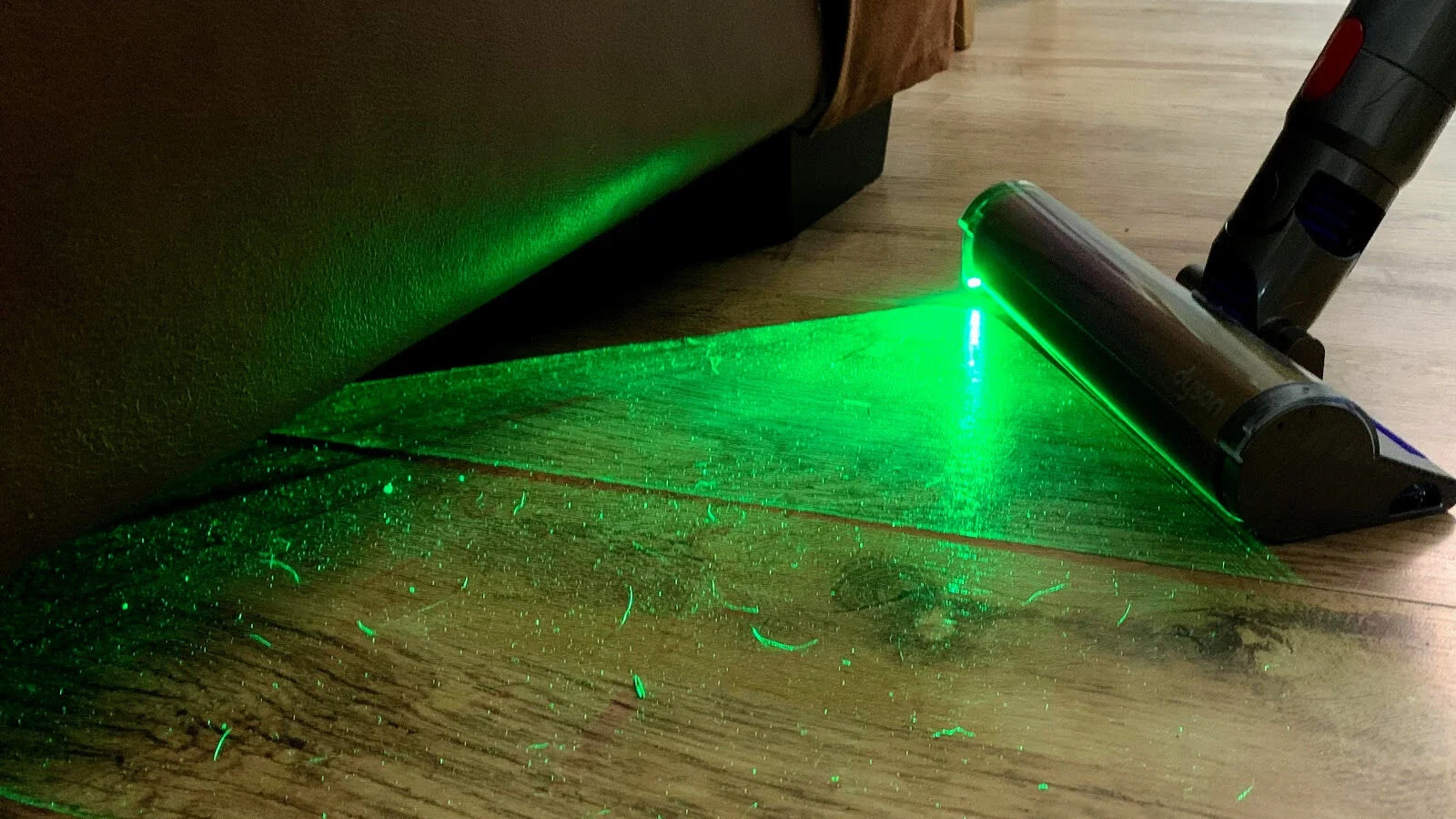
The Gen5detect pushes these metrics even further. It boasts 280 Air Watts of suction, making it the most powerful cordless vacuum Dyson has ever produced. The laser head is now standard on the main torque drive cleaner head, not just the soft roller.
A new HEPA H13 filtration system captures viruses and bacteria as small as 0.1 microns. This upgrade addresses growing concerns about indoor air quality and allergens. It creates a sealed environment that prevents fine particulates from escaping back into the room.
The cost premium for the Gen5detect over the V15 is roughly $100 to $150. Is it worth it? Only if you have severe allergies or extremely large areas to clean.
For the average home, the V15 provides 95% of the performance for less money.
Both models feature an "Auto" mode that intelligently balances power and runtime. They also include a "Boost" mode for intense spot cleaning, though this drains the battery in minutes. The intelligent display guides you through filter maintenance and blockage clearing.
You get a comprehensive suite of tools in these bundles. Expect specialized crevice tools, combination brushes, and the aforementioned anti-tangle attachments. The build quality feels robust, designed to withstand years of heavy use.
Resale value for these top-tier units remains high compared to competitors. If you decide to upgrade later, you can recoup a significant portion of your investment. This offsets the high initial entry price somewhat.
We advise caution if you have limited storage space. These units come with numerous attachments that require organization. The docking stations are larger to accommodate the extra tools and bigger bins.
Ultimately, these powerhouses are for enthusiasts who demand the best specs. They are overkill for small apartments but shine in large family homes with mixed flooring. The technology inside justifies the cost if you view cleaning as a precision task.
New vs. Certified Refurbished: Where You Can Safely Save 30%
Buying a certified refurbished Dyson is often the smartest financial move you can make without sacrificing performance. These units undergo rigorous testing and repair processes at official facilities before hitting the market. You typically save between 20% and 30% off the brand-new MSRP while receiving a full warranty.
The term "certified" carries specific weight here. It means the machine has been stripped down, cleaned, and fitted with new batteries or filters if needed. Dyson replaces any worn components to meet original factory specifications.
This is not the same as buying a used unit from a private seller on a classifieds site.
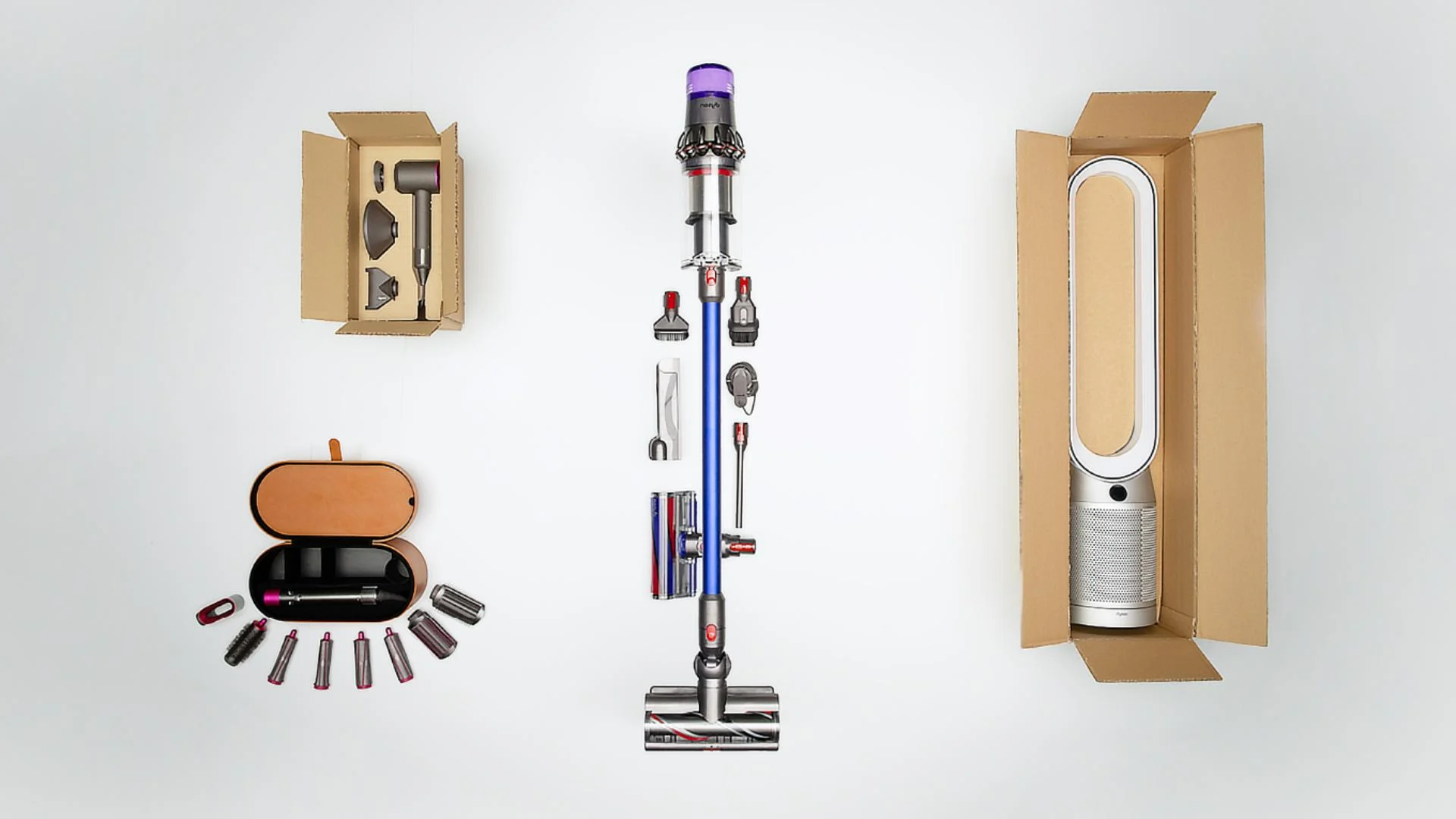
Refurbished models usually come with a one-year warranty covering parts and labor. This matches the coverage you get on many new purchases, though some retailers offer extended protection plans for new items only. The peace of mind makes the lower price even more attractive.
You will find these deals primarily on the official Dyson website or through authorized partners like Best Buy. Inventory fluctuates daily based on trade-ins and returns. A specific color or model might be unavailable one week and restocked the next.
Patience pays off when hunting for refurbished stock. If you have your heart set on a V15 Detect but find the price too high, checking the renewed section weekly can yield sudden availability. The savings often amount to hundreds of dollars on top-tier models.
Be wary of third-party sellers claiming their items are "refurbished" without official certification. They may simply clean the exterior and resell a machine with a degraded battery. Always verify the seller is an authorized partner to ensure the warranty is valid.
Our analysis of pricing trends shows refurbished V11 and V12 models offer the best value proposition. These mid-range units have plenty of life left and benefit most from the battery replacement process included in certification. You get near-flagship performance at entry-level prices.
Cosmetic imperfections are common on renewed units but rarely affect function. You might see minor scratches on the wand or bin. If aesthetics matter deeply to you, stick to new models.
If performance is your goal, the scuffs do not impact suction power.
Hidden Costs to Watch For: Batteries, Filters, and Proprietary Attachments
The sticker price is just the beginning of your investment with a Dyson cordless vacuum. Ownership involves ongoing costs for replacements and accessories that can add up over time. Understanding these hidden expenses helps you budget accurately for the life of the machine.
Batteries are the most significant long-term cost. Lithium-ion cells degrade after roughly three to five years of regular use. Replacement batteries for newer models with integrated designs can cost between $100 and $150.
Older models with removable packs might find cheaper third-party options, but genuine parts remain pricey.
Filters require regular maintenance and eventual replacement. While washable, they lose efficiency over time and should be changed annually for optimal performance. A genuine HEPA filter kit typically runs $20 to $30.
Skipping this step reduces suction and risks motor damage.
Proprietary attachments represent another potential expense. Losing a specialized tool means buying a replacement directly from the manufacturer since generic fits rarely work well. A single soft roller head can cost upwards of $60 on its own.
| Component | Estimated Replacement Cost | Frequency | Notes |
|---|---|---|---|
| Battery Pack | $100 – $150 | Every 3-5 Years | Integrated batteries cost more to replace |
| HEPA Filter | $20 – $30 | Annually | Washable but degrades over time |
| Soft Roller Head | $50 – $70 | As Needed | Prone to wear on rough surfaces |
| Combination Tool | $25 – $35 | As Needed | Easily lost or broken |
| Charging Dock | $40 – $60 | As Needed | Proprietary mounting system |
Third-party alternatives exist for some parts but come with risks. Non-genuine batteries may lack safety cutoffs, posing fire hazards. Cheap filters often fail to seal properly, allowing dust to bypass the filtration system.
We recommend sticking to official parts for critical components like power cells and seals.
Attachment loss is a common frustration. The click-in mechanism is secure, but tools can detach if dropped or snagged. Keeping a mental inventory of your kit prevents surprise costs later.
Some bundles include storage racks that help keep everything organized.
Consider the cost of electricity, though it is negligible. Charging a Dyson battery costs pennies per cycle compared to running a large corded upright. This operational saving partially offsets the higher upfront hardware cost.
Warranty extensions are worth considering for the first year or two. Accidental damage coverage can save you from paying full price for a cracked bin or broken wand. Read the fine print to understand what is excluded, such as water damage or intentional misuse.
Planning for these expenses ensures your vacuum remains effective for years. Treating it as a subscription of sorts, where you invest slightly annually in maintenance, extends its lifespan significantly. Neglecting these small costs leads to premature failure and a need for early replacement.
Side-by-Side Value Matrix: Matching Model Specs to Your Budget
Choosing the right model requires aligning your specific cleaning needs with your budget constraints. A simple feature comparison does not tell the whole story. You must weigh performance metrics against practical usability and long-term value.
We have constructed a value matrix to help you visualize where each model fits. This table considers suction power, runtime, special features, and typical street pricing to calculate a "value score" for different user profiles.
| User Profile | Best Model Match | Why It Wins | Estimated Cost | Value Rating |
|---|---|---|---|---|
| Budget Conscious | Dyson V8 Absolute | Reliable suction, dual heads, affordable replacements | $450 | High |
| Hardwood Focus | Dyson V12 Detect Slim | Laser reveals dust, lightweight, auto-adjust | $650 | Very High |
| Large Home / Carpet | Dyson V11 Torque Drive | Large bin, long runtime, robust motor | $550 (Refurb) | High |
| Allergy Sufferer | Dyson Gen5detect | H13 filtration, highest suction, sealed system | $950 | Medium |
| Mobility Limited | Dyson Micro 1.5kg | Ultra-lightweight, easy maneuverability | $400 | Medium |
| Pet Owner | Dyson V15 Detect | Anti-tangle tools, strong agitation, laser visibility | $750 | High |
The "Budget Conscious" buyer gets the most bang for their buck with the V8. It lacks flashiness but delivers core cleaning performance that rivals much newer machines. The availability of cheap parts keeps total ownership costs low.
Hardwood floor owners find immense value in the V12 Detect Slim. The laser feature alone justifies the price jump from the V8 by ensuring no dust bunnies hide in corners. Its light weight reduces fatigue during frequent sweeping.
Families with large homes and mostly carpeted areas should look at the V11. The larger bin capacity means fewer interruptions to empty debris. Finding a refurbished unit drops the price into a very competitive zone against mid-range competitors.
Allergy sufferers face a tougher choice. The Gen5detect offers the best filtration but at a steep premium. If the budget allows, the health benefits outweigh the cost.
Otherwise, a V15 with careful filter maintenance is a viable alternative.
Mobility issues dictate a different priority list. The Micro 1.5kg sacrifices power for usability. For someone who cannot lift a 6-pound vacuum, this trade-off is essential.
The value here is measured in accessibility rather than raw specs.
Pet owners benefit most from the V15 Detect's specialized tools. The anti-tangle screw tool saves time and frustration during grooming sessions. The laser also helps spot fur on furniture that standard lights miss.
Your specific situation determines which column matters most. Do not chase the highest suction number if you live in a studio apartment. Conversely, do not buy the lightest model if you have acres of thick carpet to cover.
Matching the tool to the task maximizes your return on investment. This matrix simplifies the decision by grouping models by primary benefit rather than just release date. It helps you avoid paying for features you will never utilize.
Best Dyson for Pet Owners: Does the Extra Cost for the "Animal" Line Pay Off?
The "Animal" designation on Dyson models signifies a bundle focused on pet hair removal, but the real value lies in the included tools rather than the motor itself. You do not necessarily need to pay extra for an "Animal" branded unit if you can build a similar kit yourself. However, the convenience of a pre-packaged solution often justifies the slight premium.
Pet hair presents unique challenges due to its tendency to wrap around brush bars and clog airways. Dyson addresses this with specialized attachments like the Tangle-free Turbine tool and the Hair screw tool. These accessories mechanically prevent hair from binding the rotating elements.
The V15 Detect and Gen5detect bundles typically include the latest anti-tangle technology. The Hair screw tool uses a conical brush bar that spirals hair into the bin without wrapping. This feature saves significant time on maintenance and prevents suction loss during cleaning.
Aggregate reviews from pet owners highlight the effectiveness of the laser illumination on fur. Pet hair often blends into carpet fibers, making it invisible to the naked eye. The green laser highlights these strands, ensuring you do not miss spots during your pass.
If you already own a standard Dyson, buying the separate anti-tangle tool is cheaper than upgrading the whole machine. The tool costs around $50 to $70 and fits most modern V-series wands. This retrofit option provides a cost-effective upgrade path for existing users.
However, new buyers should consider the "Animal" or "Complete" bundles. They often include the mini motorized tool for upholstery and car interiors. Cleaning pet hair off sofas and stairs requires this smaller, high-speed brush head.
| Feature | Standard Bundle | Animal / Complete Bundle |
|---|---|---|
| Main Cleaner Head | Torque Drive or Soft Roller | Torque Drive with Anti-Static Bar |
| Specialty Tool | Combination Crevice | Mini Motorized Tool + Hair Screw Tool |
| Filtration | Standard HEPA | Standard HEPA (Same) |
| Price Difference | Base Price | +$50 to $100 |
| Best For | General Debris | Heavy Shedding / Upholstery |
The price difference between standard and pet-focused bundles is usually marginal compared to buying tools individually. Retailers frequently bundle these extras during promotional periods without raising the base price. Watching for these sales can net you a superior kit for the cost of a basic one.
Do not assume the "Animal" label means stronger suction. The motor remains identical across most tiers within the same generation. The difference is purely in the accessory ecosystem designed to handle biological messes.
For heavy shedders like Huskies or Golden Retrievers, the investment in the proper tools pays off quickly. Manual removal of wrapped hair damages brush bars over time. Preventing the wrap extends the life of your expensive cleaner head.
Light shedders might find the standard combination tool sufficient. Occasional hair pickup does not warrant the specialized gear unless you have significant upholstery needs. Assess your pet's shedding volume before committing to the premium bundle.
Ultimately, the "Animal" line pays off if you value convenience and comprehensive coverage. It eliminates the guesswork of selecting compatible accessories. For the discerning pet owner, having the right tool ready out of the box is worth the extra fifty bucks.
The Lightweight Trade-Off: When to Choose Less Suction for Better Maneuverability
Choosing a lighter vacuum often means accepting reduced battery life and smaller bin capacity, but the ergonomic benefits can be transformative for many users. The Dyson Micro 1.5kg and V12 Detect Slim exemplify this trade-off, prioritizing ease of use over brute force. If you struggle with wrist pain or fatigue, this compromise is not just acceptable, it is necessary.
Heavier models like the V11 and Gen5detect pack larger batteries and motors, pushing their weight over 6 pounds. While powerful, this mass becomes burdensome during extended cleaning sessions or when reaching high shelves. Users with arthritis or limited strength find these units difficult to manage safely.
The Micro 1.5kg weighs barely over 3 pounds, making it incredibly agile. You can effortlessly glide it under low furniture or lift it to clean ceiling corners without strain. This agility encourages more frequent cleaning because the physical barrier to starting is so low.
However, the physics of battery density means lighter units hold less energy. The Micro offers roughly 20 minutes of runtime in standard mode. This limits its utility to small apartments or quick spot cleans rather than whole-house deep dives.
Bin size shrinks proportionally with the chassis. A 0.2-liter bin fills up rapidly, especially if you have pets or track in dirt. You may need to empty it three or four times to finish a modest living area.
This interruption breaks the flow of cleaning and adds time to the task.
Suction power also scales down with weight. While adequate for surface dust and crumbs, lightweight models struggle to agitate deep carpet piles. They excel on hard floors where resistance is minimal and debris sits on the surface.
| Metric | Heavy Duty (Gen5/V11) | Lightweight (Micro/V12) |
|---|---|---|
| Weight | 6.6 – 7.7 lbs | 3.3 – 5.2 lbs |
| Runtime (Max) | 70+ Minutes | 20-40 Minutes |
| Bin Capacity | 0.76 Liters | 0.2 – 0.35 Liters |
| Carpet Performance | Excellent | Fair to Good |
| Hard Floor Performance | Excellent | Excellent |
| User Fatigue | High | Low |
If your home is predominantly hard flooring, the lightweight trade-off is negligible. You gain maneuverability without losing cleaning efficacy on tiles or wood. The laser features on slim models further enhance hard floor performance by revealing fine dust.
Conversely, carpet-heavy homes demand the weight and power of larger units. The downward pressure of a heavier head helps drive bristles into the pile. Light vacuums tend to bounce over thick rugs, leaving embedded dirt behind.
Consider who will be using the vacuum most often. If multiple family members with varying strength levels share the duty, a mid-weight option like the V12 offers a balanced compromise. It is light enough for most adults yet powerful enough for moderate carpet cleaning.
Storage constraints also favor lighter models. Their slender profiles fit easily into tight closets or behind doors. Bulky docks required for larger units demand dedicated wall space or garage real estate.
The decision ultimately rests on your physical comfort versus your cleaning scope. Prioritize your body's limits if you experience pain during chores. A vacuum you cannot lift is useless, regardless of its Air Watt rating.
Common Pricing Traps: Avoiding Fake Deals and Outdated Stock
Shoppers often fall for "discounts" on older models that are actually priced higher than their current market value. Retailers sometimes inflate the MSRP of a V10 or V11 just before a sale to make the reduction look dramatic. You must verify the street price across multiple authorized sellers before trusting a percentage-off claim.
Outdated stock presents another hidden risk, particularly regarding battery health. Lithium-ion cells degrade even when sitting on a shelf unused. A vacuum manufactured three years ago and sold as "new" today may already have reduced runtime capacity compared to a fresh unit.
Check the manufacturing date code on the box if possible. Dyson stamps these codes near the barcode or on the bottom of the unit. If the date is more than 18 months old, negotiate a lower price or walk away.
Beware of third-party marketplace sellers listing "open box" items at near-retail prices. These often lack the official warranty validation required for service claims. Only buy open-box deals directly from major retailers like Best Buy or Target where the return policy is clear.
Bundle confusion is a frequent tactic used to obscure true costs. A seller might list a low base price but exclude the essential wall dock or charger, selling them as separate add-ons. By the time you complete the kit, you have spent more than the standard bundle cost.
Always read the "What's in the Box" section carefully before clicking buy. Ensure the charging station, main cleaner head, and wand are included in the listed price. Missing these core components renders the vacuum unusable until you purchase them separately.
Refurbished scams exist outside official channels. Unauthorized repair shops may sell "certified" units that use non-genuine parts and offer no real warranty protection. Stick to the official Dyson Renewed store or authorized big-box retailer refurbishment programs to guarantee safety and performance.
Seasonal pricing fluctuations can trick buyers into thinking they found a deal. Prices often rise slightly before major holidays like Black Friday to create the illusion of a deeper discount later. Tracking price history using browser extensions helps you see the real trend over the last 90 days.
If a deal looks too good to be true, it usually involves a counterfeit product. Fake Dyson vacuums flood online marketplaces during peak shopping seasons. They look similar externally but lack the cyclone technology and safety certifications of the real thing.
Verify the serial number with Dyson support before finalizing a purchase from an unknown seller. This simple step confirms authenticity and warranty status instantly. It saves you from owning a useless paperweight that cannot be repaired.
Long-Term Ownership Math: Calculating Cost Per Use Over 5 Years
The initial purchase price tells only half the story of what a Dyson cordless vacuum truly costs. Calculating the cost per use over a five-year period reveals the actual value proposition compared to cheaper alternatives. A $900 machine used daily for five years costs less per clean than a $200 vacuum replaced every year.
Start by estimating your cleaning frequency. Most households vacuum three to four times weekly. Over five years, this amounts to roughly 600 to 800 cleaning sessions.
Dividing the purchase price by this number gives you a baseline cost per session.
| Model | Initial Cost | Est. Battery Replacement | Filter/Part Costs | Total 5-Year Cost | Cost Per Clean (800 uses) |
|---|---|---|---|---|---|
| Generic Budget | $200 | $0 (Replace Unit) | $0 | $600 (3 units) | $0.75 |
| Dyson V8 | $450 | $120 | $60 | $630 | $0.79 |
| Dyson V15 | $750 | $150 | $80 | $980 | $1.23 |
| Dyson Gen5 | $950 | $150 | $100 | $1,200 | $1.50 |
Generic budget vacuums often fail within 18 months due to motor burnout or battery failure. Replacing them three times in five years drives up their total cost significantly. Their lower build quality leads to consistent degradation in suction power long before they die completely.
Dyson units maintain consistent suction throughout their lifespan thanks to the cyclone design. This means the cleaning quality in year four matches year one. Cheaper models lose efficiency rapidly, forcing you to make multiple passes to get the same result.
Energy consumption adds a minor but measurable factor to the equation. Cordless vacuums use far less electricity than traditional corded uprights. Over five years, the savings on your electric bill partially offset the higher upfront hardware cost.
Resale value is a critical component often ignored in cost calculations. A well-maintained Dyson V15 can sell for $300 to $400 after five years. Generic vacuums have zero resale value and end up in landfills.
Factoring in potential recoupment lowers the effective ownership cost of Dysons dramatically.
Maintenance costs for Dysons are predictable and manageable. Filters are inexpensive, and bins rarely break if handled correctly. The modular design allows you to replace specific broken parts rather than the whole unit.
Consider the time saved during cleaning. Higher suction power and better maneuverability reduce the time spent on each session. If you value your time at even $10 an hour, the efficiency gains of a premium model pay for themselves quickly.
Durability against wear and tear is where the premium price gets justified. The materials used in Dyson cleaners resist impact and chemical degradation better than cheap plastics. This longevity ensures the machine survives the rigors of family life without cracking or failing.
Ultimately, the long-term math favors the mid-to-high range Dyson models for active households. The higher initial investment spreads out over thousands of uses, resulting in a reasonable cost per clean. For occasional users in small spaces, the entry-level V8 remains the mathematical winner.
Expert Tips on Timing Your Purchase for Maximum Discounts
Timing your purchase strategically can save you hundreds of dollars on a Dyson cordless vacuum. Retailers follow predictable cycles for discounts based on new model releases and seasonal demand. Knowing when these windows open allows you to secure flagship tech at mid-range prices.
The best time to buy is typically immediately following a new model launch. When Dyson announces a successor like the Gen6, retailers slash prices on the previous Gen5 stock to clear inventory. You get nearly identical performance for significantly less money just by waiting a few months.
Major holiday weekends offer reliable discounts across all models. Memorial Day, Fourth of July, and Labor Day sales often feature $100 to $150 off select units. Black Friday and Cyber Monday provide the deepest cuts, sometimes reaching 30% off for bundled packages.
Spring cleaning season in March and April drives promotional activity as well. Retailers anticipate high demand and compete for customers with aggressive pricing. This is an ideal time to find deals on mid-range models like the V12 or V11.
End-of-quarter sales in March, June, September, and December can yield unexpected markdowns. Sales teams push to meet quotas and may offer unadvertised specials or bundle upgrades. Checking stores late in these months can uncover hidden gems.
Avoid buying during January and February unless you find a clearance event. Demand is low, so retailers keep prices stable to maintain margins. New models often launch in spring, making early-year purchases risky for obsolescence.
Sign up for email newsletters from authorized retailers to get early access to sales. Many stores offer an additional 10% off coupon for first-time subscribers. Stacking this with an existing sale maximizes your total savings.
Credit card rewards and cashback portals add another layer of discount. Using a card with elevated rewards for home goods or electronics can net you 2% to 5% back. Portal sites often partner with major retailers for extra cashback during peak seasons.
Watch for bundle promotions where extra tools are included at no extra cost. Getting a free soft roller head or mini motorized tool adds value without lowering the sticker price. This effectively reduces the cost per feature of your purchase.
Refurbished stock refreshes frequently after holiday returns in January. This is a prime time to snag a certified renewed unit that was returned simply because the buyer changed their mind. These items are essentially new but priced at the refurbished rate.
Patience is your most powerful tool in securing a deal. Waiting six months for the right cycle can halve the depreciation hit on your investment. Impulse buys at full MSRP are rarely the smartest financial move for durable goods like vacuums.
Frequently Asked Questions About Dyson Pricing and Value
Why are Dyson cordless vacuums so expensive compared to other brands?
Dyson vacuums command higher prices due to proprietary cyclone technology, advanced digital motors, and extensive research and development costs. They use high-quality materials like aerospace-grade aluminum and specialized plastics that ensure durability. The inclusion of smart sensors, laser detection, and HEPA filtration systems also adds to the manufacturing expense.
Is it better to buy a Dyson online or in a physical store?
Buying online often provides access to a wider range of models and exclusive web-only bundles. Physical stores allow you to handle the unit to assess weight and balance before purchasing. Price matching policies at major retailers mean you can often get the best of both worlds by negotiating in-store.
Do Dyson vacuums hold their value if I decide to resell them later?
Yes, Dyson cordless vacuums retain value exceptionally well compared to competitors. High demand in the secondary market and a reputation for longevity keep resale prices strong. A well-maintained unit can often sell for 50% to 60% of its original price after several years of use.
Are there any hidden fees associated with owning a Dyson vacuum?
There are no mandatory subscription fees or hidden charges for using a Dyson vacuum. Ownership costs are limited to occasional replacement filters, batteries, and attachments which are optional purchases. The machine functions fully out of the box without requiring any software payments or connectivity subscriptions.
How often do Dyson release new models that make older ones obsolete?
Dyson typically releases major new generations every two to three years. Older models do not become obsolete immediately as they continue to receive parts support and function effectively for many years. Technology updates usually offer incremental improvements rather than rendering previous versions useless.
Can I use third-party batteries to save money on replacements?
Using third-party batteries is possible but carries risks regarding safety and performance compatibility. Non-genuine cells may lack proper thermal management, leading to overheating or reduced runtime. We recommend sticking to official Dyson batteries to maintain warranty coverage and ensure safe operation.

Liam Parker covers robot vacuums, cordless vacuums, and smart home cleaning technology, focusing on practical comparisons, features, performance, and buying advice.
Related posts
 5 Best Cordless Mini Chainsaw 2026
Cutting through thick branches with a gaspowered saw is messy, loud, and often overkill for the average homeowner. That is why finding the best cordless mini…
 How Much Does the Dyson V6 Cordless Vacuum Weigh?
If you are wondering how much does the dyson v6 cordless vacuum weigh, the answer depends on how you configure it. The bare motor unit sits…
 5 Best Cordless Mug Warmer 2026
Keeping your morning coffee hot without being tethered to a wall outlet is a game changer for busy mornings. We've analyzed the best cordless mug warmer…